

Posted 1 year ago 1735 views 5 mins read
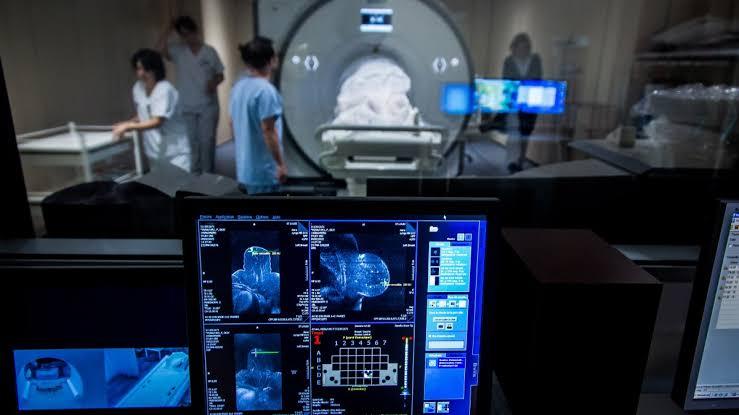
Cancer survival rates have doubled over the past 40 years, and we owe it all to groundbreaking innovations." This statement isn’t just inspiring—it’s proof of how far we’ve come in the fight against one of the world’s deadliest diseases. But what’s driving this progress? From therapies that reprogram the immune system to nanotechnologies that target cancer cells with laser-like precision, the future of cancer care is brighter than ever. Let’s dive into the advancements reshaping treatment and what they mean for patients and healthcare professionals alike.

Cancer hides in plain sight, evading the immune system like a master of disguise. Immunotherapy changes that.
• Checkpoint Inhibitors: These drugs unleash the immune system by blocking proteins like PD-1 and CTLA-4 that cancer uses to suppress T-cells. Pembrolizumab (Keytruda) has shown remarkable results in treating advanced melanoma and lung cancer.

• CAR-T Cell Therapy: Imagine reprogramming a patient’s immune cells to seek and destroy cancer cells. This therapy, already FDA-approved for some blood cancers, is a game-changer.
Why It Matters: Immunotherapy provides hope for patients who have exhausted traditional treatments, often leading to long-term remission.

• Traditional chemotherapy is like using a sledgehammer—it’s effective but impacts healthy cells too. Targeted therapies? They’re more like a scalpel.
• Examples in Action: Imatinib (Gleevec) targets specific proteins driving chronic myeloid leukemia, while PARP inhibitors disrupt cancer cells' DNA repair mechanisms in patients with BRCA mutations.
• Actionable Insight: Genetic testing is crucial. Encourage patients to get their tumors genetically profiled to explore targeted treatment options.
Why It Matters: Targeted therapies minimize side effects and maximize results, making cancer care more tolerable and efficient.
Cancer is personal, and so is its treatment. Precision medicine uses genetic and molecular data to craft tailored therapies for individual patients.

• Liquid Biopsies: Non-invasive blood tests can detect cancer biomarkers, offering earlier diagnosis and tracking of treatment responses.
• Personalized Drug Development: Advances in pharmacogenomics ensure medications are customized to match a patient’s unique cancer profile.
Why It Matters: Early detection and customized treatment plans are saving lives and improving quality of care.

Radiation therapy has always been a cornerstone of cancer treatment, but now it’s smarter, safer, and more effective.
• Proton Therapy: This advanced method delivers high-energy beams with pinpoint accuracy, sparing nearby healthy tissues.
• SBRT: Stereotactic Body Radiotherapy condenses weeks of treatment into just a few sessions without compromising effectiveness.
Why It Matters: These innovations reduce side effects and improve convenience, allowing patients to recover faster.

Imagine microscopic drug carriers targeting cancer cells without harming healthy ones. That’s the power of nanotechnology.
• Nanocarriers: These tiny particles deliver chemotherapy drugs directly to tumors, reducing side effects.
• Theranostics: A blend of therapy and diagnostics, this approach tracks how well treatments are working in real-time.
Why It Matters: By focusing on the tumor and leaving healthy cells untouched, nanotechnology enhances treatment efficacy and patient comfort.
Every advancement in cancer treatment brings us closer to a world where cancer is no longer a death sentence. Whether it’s reprogramming the immune system, tailoring therapies to a patient’s genetics, or leveraging cutting-edge technology, these innovations are transforming lives.
Take Action: If you’re a healthcare professional, stay informed about these breakthroughs and incorporate genetic testing and emerging therapies into your practice. For patients, don’t hesitate to ask your doctor about the latest options available—you deserve care that’s as advanced as the science behind it.
The future of cancer treatment is here, and it’s saving lives. Let’s make sure everyone benefits from it.
Leading the way in health excellence through innovation, expertise, care and support.