

Posted 1 year ago 1339 views 5 mins read
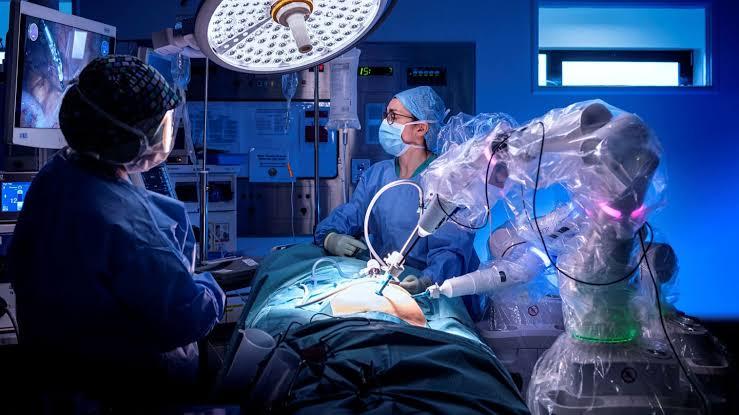
Robotic surgery is the closest thing we have to magic in the operating room,” said Dr. Peter Kim, a pioneer in surgical technology. In 2025, this "magic" is no longer confined to science fiction. With robotic-assisted procedures increasing by 15% annually, it's clear that technology is revolutionizing how surgeons save lives. From liver resections to heart valve repairs, robots are delivering precision that was unimaginable just a decade ago. But what does this mean for you—whether you’re a healthcare professional, policymaker, or patient? Let’s dive into the game-changing innovations, practical benefits, and what the future holds for robotic surgery.

Robotic-assisted surgery combines the surgeon's expertise with the precision of advanced technology. Here's what sets it apart:
• Unmatched Precision: Robotic arms mimic the surgeon’s movements with millimeter-level accuracy, reducing human error. This is a game-changer for delicate surgeries like those involving the brain or liver.
• Enhanced Visibility: Equipped with high-definition 3D cameras, robotic systems give surgeons a detailed, magnified view of the surgical site. It’s like trading a flashlight for a floodlight.
• Minimally Invasive Approach: Smaller incisions mean less pain, minimal scarring, and faster recovery times for patients.
Success Stories in Robotic Surgery
• Liver Surgeries: Recent studies reveal that robotic-assisted liver resections reduce complications by 30% compared to traditional methods. Patients not only recover faster but also spend less time in the hospital.
• Gynecological Procedures: Robotic systems are improving outcomes in hysterectomies, with shorter recovery periods and fewer post-operative complications.
• Cardiovascular Surgery: For complex heart valve repairs, robotics ensure greater precision, minimizing risks and improving survival rates.

Patients aren’t just numbers on a chart—they’re individuals with lives to get back to. Robotic surgery makes this easier:
• Faster Recovery: Traditional surgeries often mean long hospital stays. Robotic procedures slash recovery time, sometimes by weeks.
• Reduced Pain and Scarring: Smaller incisions lead to less physical trauma, making a huge difference in post-operative comfort.
• Improved Outcomes: Precision minimizes complications, reducing the likelihood of follow-up surgeries.

The horizon is filled with exciting possibilities. Here’s what’s next:
• AI Integration: Artificial intelligence will analyze real-time data during surgery, helping surgeons make even better decisions.
• Remote Surgeries: Imagine a top specialist in London operating on a patient in Lagos. With 5G connectivity and robotic systems, this could soon be routine.
• Expanded Accessibility: As costs decrease, more hospitals will adopt this technology, bringing advanced care to underserved areas.

If you’re a healthcare provider, consider these questions before integrating robotic systems:
1.Do You Have Skilled Surgeons? Robotic systems are only as good as the people operating them. Training is essential.
2.Can You Justify the Cost? Robotic systems are expensive, but the long-term benefits—better outcomes, fewer complications—can offset the investment.
3.Are You Ready to Scale? As demand for robotic surgery grows, your facility needs the capacity to meet it.
Robotic surgery isn’t just a trend—it’s the future of medicine. By combining human expertise with technological innovation, it’s transforming lives, one operation at a time. Whether you’re a surgeon, administrator, or curious patient, understanding this evolution is crucial.
Leading the way in health excellence through innovation, expertise, care and support.