

Posted 1 year ago 2464 views 4 mins read
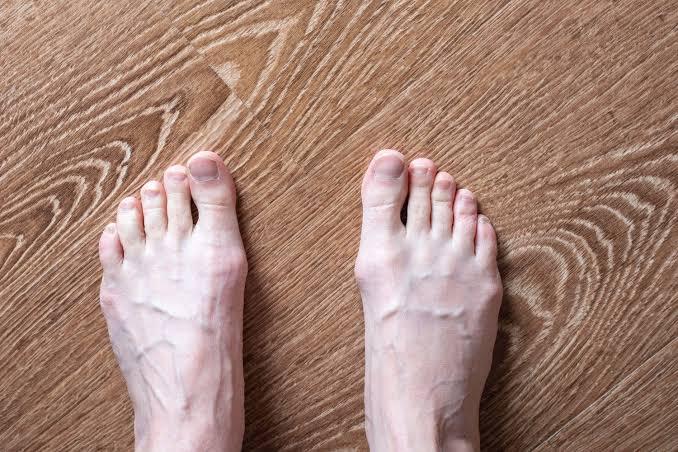
Feet, what do I need you for when I have wings to fly?" Frida Kahlo once said. Well, most of us don’t have wings, and our feet do a lot more than just get us from point A to B. They can also tell us a surprising amount about our health. Think of them as an early warning system. Circulation issues, nerve damage, even serious conditions like diabetes and heart disease qsometimes, the first signs show up in your feet. But here’s the good news: if you know what to look for, you can catch problems early and take action.
Feet always freezing, even when the rest of you is warm? Poor circulation could be the culprit. Conditions like diabetes, high blood pressure, or peripheral artery disease (PAD) can cause narrowed arteries, reducing blood flow.

What to do: Try moving more regular walking improves circulation. Keep your feet warm and avoid smoking, which worsens circulation. If you also notice numbness or slow-healing cuts, check in with a doctor.
Occasional swelling after standing all day? Normal. Persistent puffiness? That’s another story. It could point to kidney disease, heart failure, or a thyroid issue all of which can lead to fluid retention.Understanding Leg Swelling (Edema) and Its Impact on Your Health

What to do: Elevate your legs above heart level for 20 minutes. Cut back on salt. If the swelling is severe, painful, or doesn’t improve, seek medical advice.
That “pins and needles” feeling or worse, complete numbness could mean nerve damage, especially from diabetes (diabetic neuropathy). High blood sugar can silently attack nerves, often starting in the feet.

What to do: Keep blood sugar in check if you have diabetes. Regular foot checks are crucial small cuts can turn into big problems if you don’t feel them. A doctor can test for nerve function and recommend treatments to slow progression.
Foot cramps can hit out of nowhere. Sometimes, it’s just dehydration or a lack of magnesium, potassium, or calcium. Other times, it signals poor circulation or nerve dysfunction.

What to do: Stay hydrated. Eat magnesium-rich foods like nuts, leafy greens, and whole grains. If cramps persist, especially at night, see a doctor.
Fungal infections are the usual suspect when nails turn yellow and thick, but if they’re especially thick or separating from the nail bed, it could be psoriasis or even a sign of lung disease.

What to do: Over-the-counter antifungals can help, but if the nail doesn’t improve, see a podiatrist. Keeping feet dry and changing socks often prevents fungal growth.
A cut or wound that lingers for weeks isn’t just annoying it could be a sign of diabetes or poor circulation. Reduced blood flow makes healing slower and increases the risk of infection.

What to do: Don’t ignore it. Keep wounds clean and covered, but if healing is slow, a doctor needs to check your circulation and blood sugar levels.
7. Clubbing of the Toes? Possible Lung or Heart Issue
Toenails curving downward and swollen toes? That’s called clubbing, and it’s often linked to low oxygen levels due to lung or heart disease.

What to do: If you notice this, don’t wait get a medical evaluation. Clubbing can signal serious underlying conditions that need attention.
Feet might not be the first thing you think about when checking for health issues, but they’re packed with clues. Paying attention to changes whether it’s temperature, color, sensation, or wounds can help you catch problems early and take action before they become serious. If something feels off, don’t ignore it. Your feet
might just be sending you a critical message.
Leading the way in health excellence through innovation, expertise, care and support.