1 year ago


Posted 1 year ago 1881 views 3 mins read
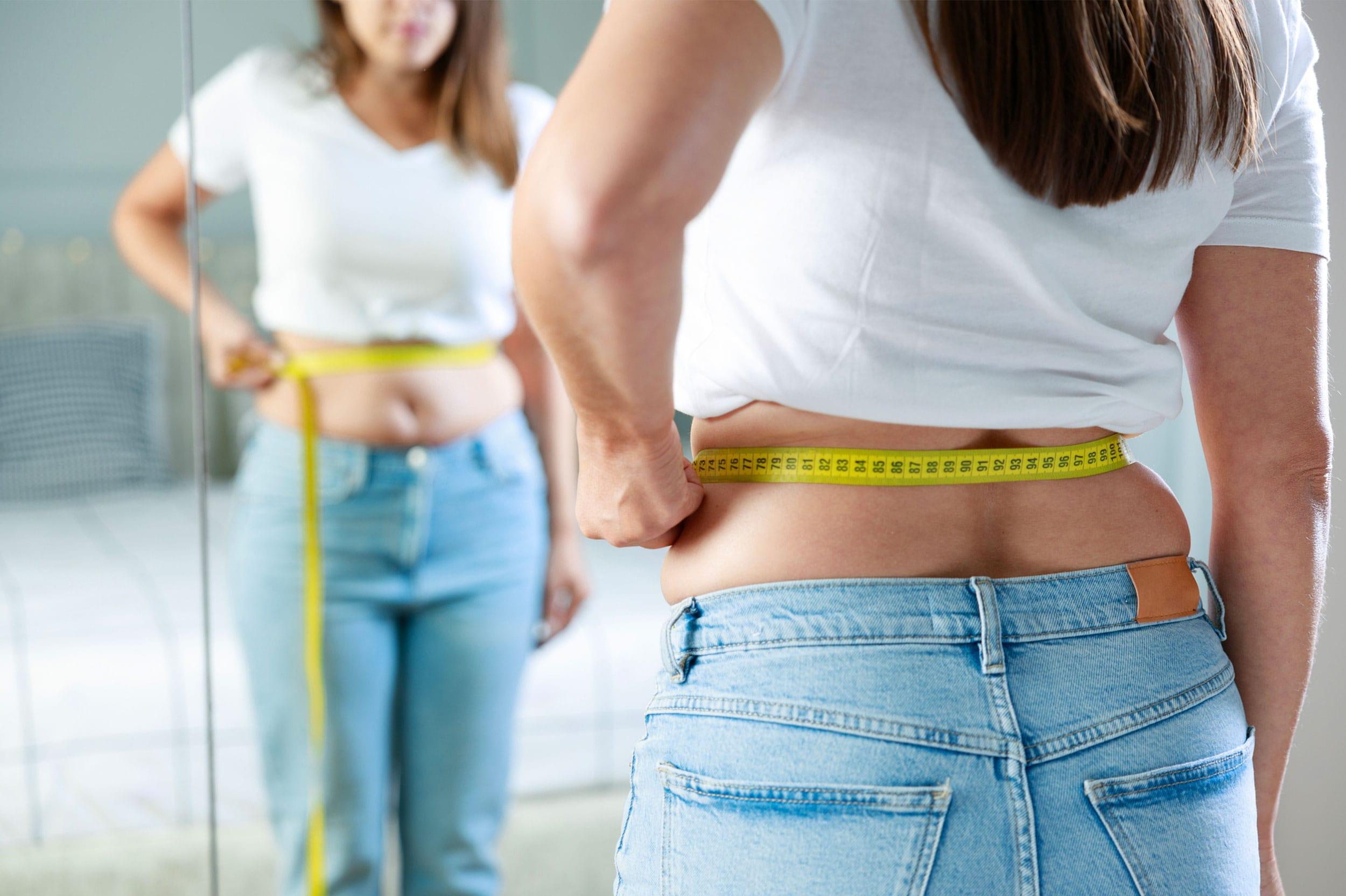
Introduction Losing weight is easy. Keeping it off? That’s where most people struggle. Research shows that 80% of people who lose weight gain it back within a year. Why? Because they follow restrictive diets, unrealistic timelines, or “quick fixes” that aren’t sustainable. The truth is, lasting weight loss is a marathon, not a sprint. And while some people expect to drop 20 pounds in a month, real fat loss takes time, consistency, and strategy. So how long does it actually take to lose weight—and more importantly, keep it off for good? In this guide, we’ll break down realistic timelines, common mistakes, and science-backed strategies to help you lose weight in a way that lasts.
A healthy, sustainable rate of weight loss is 0.5 to 2 pounds per week. Here’s a realistic timeline:
1 month → 4 to 8 pounds
3 months → 12 to 24 pounds
6 months → 25 to 50 pounds

At first, weight may drop quickly especially if you reduce carbs or sodium. But much of this is water weight, not fat. Real fat loss takes longer and requires consistent calorie control, exercise, and lifestyle changes.
Weight loss follows a simple rule: burn more calories than you consume. This creates a caloric deficit, forcing your body to use stored fat for energy.
1 pound of fat = 3,500 calories
To lose 1 pound per week → 500-calorie daily deficit
To lose 2 pounds per week → 1,000-calorie daily deficit
This deficit can come from eating fewer calories, exercising more, or both. But drastic calorie cuts can slow metabolism, increase hunger, and lead to muscle loss—which is why sustainable weight loss requires balance.

1. Starting Weight
People with more body fat tend to lose weight faster at the beginning. The closer you get to your goal, the slower progress becomes.
2. Metabolism & Genetics
Some people naturally burn calories faster due to genetics, age, or muscle mass. More muscle = higher metabolism, which is why strength training is essential.
3. Diet Quality
Calories matter, but nutrient quality matters more. A diet high in protein, fiber, and healthy fats supports fat loss and muscle retention, while processed foods can slow progress—even in a calorie deficit.
4. Exercise Routine
Strength training builds muscle and prevents metabolism slowdown, while cardio burns extra calories. A mix of both is the best approach.
5. Consistency & Patience
Weight loss isn’t linear. Some weeks, the scale won’t budge. Other weeks, it’ll drop fast. The key? Stick with it and focus on long-term habits, not quick results.
Rapid weight loss might sound tempting, but it rarely lasts. Here’s why:
The best way to lose weight? Make small, sustainable changes that fit into your daily life.
Losing weight is one thing—keeping it off is another. Studies show that only 20% of people maintain weight loss long-term. But those who do share common habits:
1. Focus on Lifestyle, Not Diets
Diets have end dates. Sustainable habits last forever. Instead of cutting out foods, learn to eat them in balance.
2. Strength Train to Boost Metabolism
Muscle burns more calories than fat, even at rest. Strength train 3–4 times a week to keep metabolism high.
3. Stay Active Daily
Don’t rely on workouts alone. Walk more, stand more, move more. Staying active outside the gym is key to weight maintenance.
4. Eat Protein at Every Meal
Protein helps control hunger, preserves muscle, and keeps you full longer. Include chicken, fish, eggs, or Greek yogurt in every meal.
5. Track Progress (Without Obsessing)
Weigh yourself weekly, track measurements, or use progress photos. Stay accountable, but don’t let the scale define success.
6. Prioritize Sleep & Stress Management
Poor sleep and high stress increase cravings and slow metabolism. Aim for 7–9 hours of sleep and practice stress-reducing habits like meditation or deep breathing.
Weight loss is gradual, but noticeable changes happen at different stages.
•First 1-2 Weeks
Quick water weight loss (3–10 pounds)
Less bloating and more energy
•1 Month
4–8 pounds of fat loss
Clothes may feel looser
•3 Months
12–24 pounds lost
Visible body shape changes
•6 Months & Beyond
25–50+ pounds lost
Major improvements in health, fitness, and confidence

Weight loss isn’t about quick results it’s about lasting change. The secret? Small, consistent habits that you can maintain for life.
Focus on progress, not perfection. Some weeks will be slower than others. Some days, motivation will dip. But if you stay committed, the results will come.

Leading the way in health excellence through innovation, expertise, care and support.