1 year ago


Posted 1 year ago 591 views 6 mins read

“More than 80% of beginners quit the gym within the first five months.” That’s what recent fitness industry data shows and it’s not because they’re lazy or unmotivated. It’s often because they’re doing too much, too fast, or simply doing it wrong. I’ve seen it over and over again: eager beginners walk into the gym full of energy, only to walk out weeks later feeling defeated, sore, or confused.
This is one of the fastest ways to get hurt. You wouldn’t start your car in the cold and floor it immediately, right? Your body needs the same courtesy. Warming up prepares your muscles and joints for movement. It increases blood flow, raises your core temperature, and helps prevent sprains or strains that could set you back weeks.
A simple 5–10 minute warm-up like brisk walking, cycling, or jumping jacks is enough. Add in some dynamic stretches swings or leg circles to get the joints moving. After your workout, slow things down. Walk, breathe deeply, then stretch the muscles you just worked. Cooling down properly helps your body recover and reduces next-day soreness. It's not optional. It's essential.

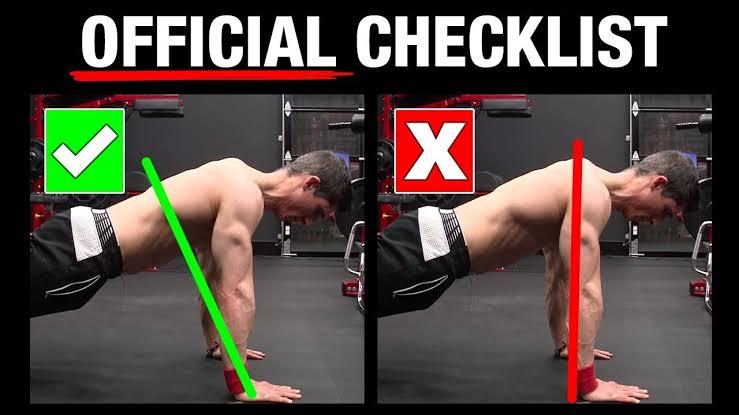
Improper form is one of the most common and dangerous mistakes beginners make. Whether you're doing squats, rows, or push-ups, technique matters. Poor posture, fast reps, or jerky motions can put serious strain on your spine, knees, or shoulders. That means less progress, more pain. The Comprehensive Guide to Correctly Coaching Exercises
Always start with bodyweight versions or light weights until you’re confident in your movements. Watch trusted video tutorials or use mirrors to self-correct. Better yet, ask a qualified trainer to walk you through a few basic movements. A 10-minute form check today can save you from a 6-week injury later. Never trade technique for ego. Good form is what builds strength safely.

You feel motivated. Inspired. Maybe even a little obsessed. So you decide to train every single day. You jump into heavy weights, long cardio sessions, and back-to-back classes. But by the second week, your body starts pushing back hard.
Muscle soreness, low energy, and lack of motivation are all signs you're overtraining. Your body needs time to recover, especially in the beginning. Start with three to four days a week. Add more as you adapt. And take your rest days seriously they’re when your body actually gets stronger. Progress isn’t just about what you do in the gym. It’s also about what you allow yourself to do outside of it. New to gym What mistake should I avoid

Many beginners either fall in love with cardio or weights and ignore everything else. Runners may never pick up a dumbbell. Lifters may never touch a treadmill. Both extremes limit your potential.
Your body needs variety. Cardio improves your heart and lungs. Strength training builds muscle and protects your joints. Flexibility work improves mobility and reduces injury risk. A balanced workout week should touch on all three areas even if lightly. You’ll move better, feel stronger, and reduce your chances of plateaus or pain.
The frustration is real. You clean up your diet, hit the gym four days a week, and step on the scale expecting magic. But progress is slow or invisible. That’s when many beginners quit, thinking it’s not working.
Here’s the truth: your body is changing, even if you can’t see it yet. Strength, endurance, energy, sleep those improve before physical appearance does. Track these invisible wins. Celebrate being able to do an extra push-up or lift a heavier dumbbell. Fitness is a marathon, not a sprint. If you stay consistent, the physical results will come.

No matter how hard you train, poor eating habits will hold you back. Think of food as fuel. What you eat directly affects how you perform, recover, and feel day to day. Training on an empty stomach or surviving on junk food can lead to dizziness, fatigue, or even injury.
Focus on balanced meals lean protein, complex carbs, healthy fats, and fiber. Don’t forget water. Dehydration leads to cramps, low energy, and slower recovery. Start hydrating early in the day, not just during your workout. And skip the quick fixes like energy drinks or fat burners your body needs real nutrients to make real progress.
It’s easy to feel out of place when you're surrounded by fit, experienced gym-goers. You might catch yourself thinking, “I’ll never get there,” or “I’m too far behind.” But that mindset can crush motivation.
Remind yourself: everyone starts somewhere. That person you’re comparing yourself to probably struggled just like you are now. Instead of focusing on them, track your own wins. More reps, better energy, improved form these are all worth celebrating. Stay in your lane. That’s where the real growth happens.
Read also : Trainers Reveal the ONE Exercise You Should Do Every Morning
You don’t need to lift heavy or train every day to succeed. You just need to start and keep showing up. The gym should never be a place that makes you feel small. It should be a space where you grow stronger, inside and out.
Avoiding these beginner mistakes will give you a massive head start. You’ll protect your body, save time, and build a routine you can stick with long-term. Keep your expectations realistic. Be patient with yourself .And most importantly keep going.

Leading the way in health excellence through innovation, expertise, care and support.