1 year ago


Posted 1 year ago 448 views 6 mins read
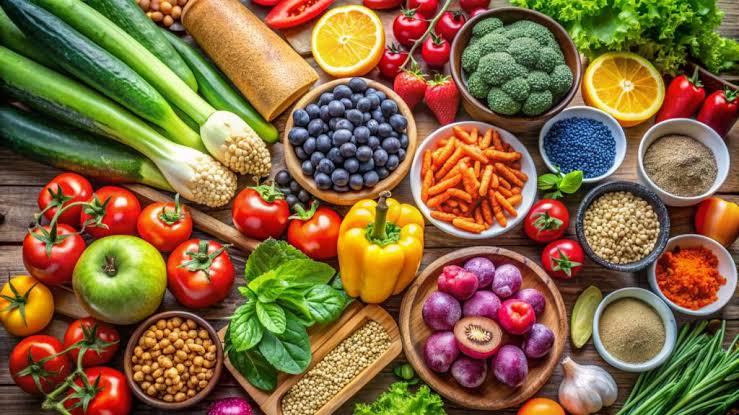
Over 70% of your immune system lives in your gut. That’s rightwhat you eat directly affects how well your body defends itself. With that in mind, it’s no wonder people stock up on oranges, lemons, and “superfruits” when flu season hits. But here's the issue: not everything you hear about immune-boosting fruits is true. Some of it is marketing hype. Some of it is just wrong. In this article, I’m going to break down popular beliefs about fruits and immunity myth by myth. No fluff, no false promises just evidence-based facts. You'll walk away knowing exactly what helps, what doesn't, and how to make smarter choices every time you hit the fruit aisle.
Fact: Oranges are great but they’re not the only heroes.
They’re loaded with vitamin C, which helps support your immune cells. But did you know that a single kiwi has more vitamin C than an orange? So does a cup of chopped red bell pepper, and yes, that counts as a fruit in botanical terms.
If you’re depending on oranges alone, you’re limiting your defense system. Mix in papaya, strawberries, and guava for even more punch. Apple are better than Oranges A variety of fruits brings a variety of nutrients and that’s what your immune system really craves.
Action Tip: Aim for 2-3 different vitamin C–rich fruits daily. Rotate weekly to prevent nutrient gaps. What are the health benefits of eating oranges?
Fact: Pineapple can help but it's not a cure.
It contains bromelain, a natural enzyme that may reduce inflammation and ease mild throat discomfort. That’s helpful, yes. But bromelain won’t “kill” the virus causing your sore throat. Does pineapple really works for a sore throat
Think of it like this: pineapple may soften the edges of the problem, but it doesn’t solve it.

Fact: It doesn’t.
Lemon water supports hydration and provides a little vitamin C boost. That’s good. What it doesn’t do is kill viruses or flush them out of your system.
Does lemon fight infection? No matter how much lemon you add, water isn’t a magic detox. But being hydrated? That matters a lot.
Action Tip: Add lemon to water for taste and a small antioxidant boost, but don’t rely on it as an immunity strategy. Focus on total hydration: 6–8 glasses of water per day.
Fact: Apples are healthy but not miracle workers.
They contain fiber (which your gut bacteria love), vitamin C, and antioxidants. That’s a good combination. But on their own, apples won’t prevent illness. A strong immune system needs multiple players on the team nutrients, exercise, sleep, and low stress.
One fruit can’t do all that. Not even a Honeycrisp.
Action Tip: Keep apples in your diet, but pair them with nuts or yogurt for protein and healthy fats. That’s a smarter snack for your immune health.
Fact: They’re great but not magical.
Acai, goji berries, and similar “superfruits” contain high levels of antioxidants. That helps reduce oxidative stress, which can indirectly support immunity. But guess what? So do blueberries. So do blackberries. So does a regular pomegranate. Are goji berries superfoods? Why or why not do you think this is so?
You don’t need to chase trendy, imported fruits to get results. Local fruits can be just as powerful and a lot cheaper.
Action Tip: Don’t fall for the superfruit label. Focus on eating a variety of berries, citrus fruits, and colorful produce regularly.
Let’s get practical. Here’s what you should do if you want to genuinely strengthen your immune system with fruit:
• Eat the rainbow. Different colors = different nutrients. Try to get 5–7 servings of fruits and vegetables daily.
• Don’t overdo the sugar. Even natural sugars can be too much. Choose whole fruits over juices most of the time.
Focus on consistency. A week of healthy eating won’t do much. Build habits you can sustain.
• You don’t need exotic fruits or pricey powders to feel better. You just need real food, eaten often and in balance with the rest of your lifestyle.
Immune-boosting fruits are real but not every claim about them is. The truth lies in the bigger picture: variety, balance, and evidence-based choices.
So next time you see a social media post pushing a “miracle fruit,” remember this: your immune sy
stem isn’t fooled by hype. But it does love a good papaya.
but they’re not the only heroes.

Leading the way in health excellence through innovation, expertise, care and support.