
Overview
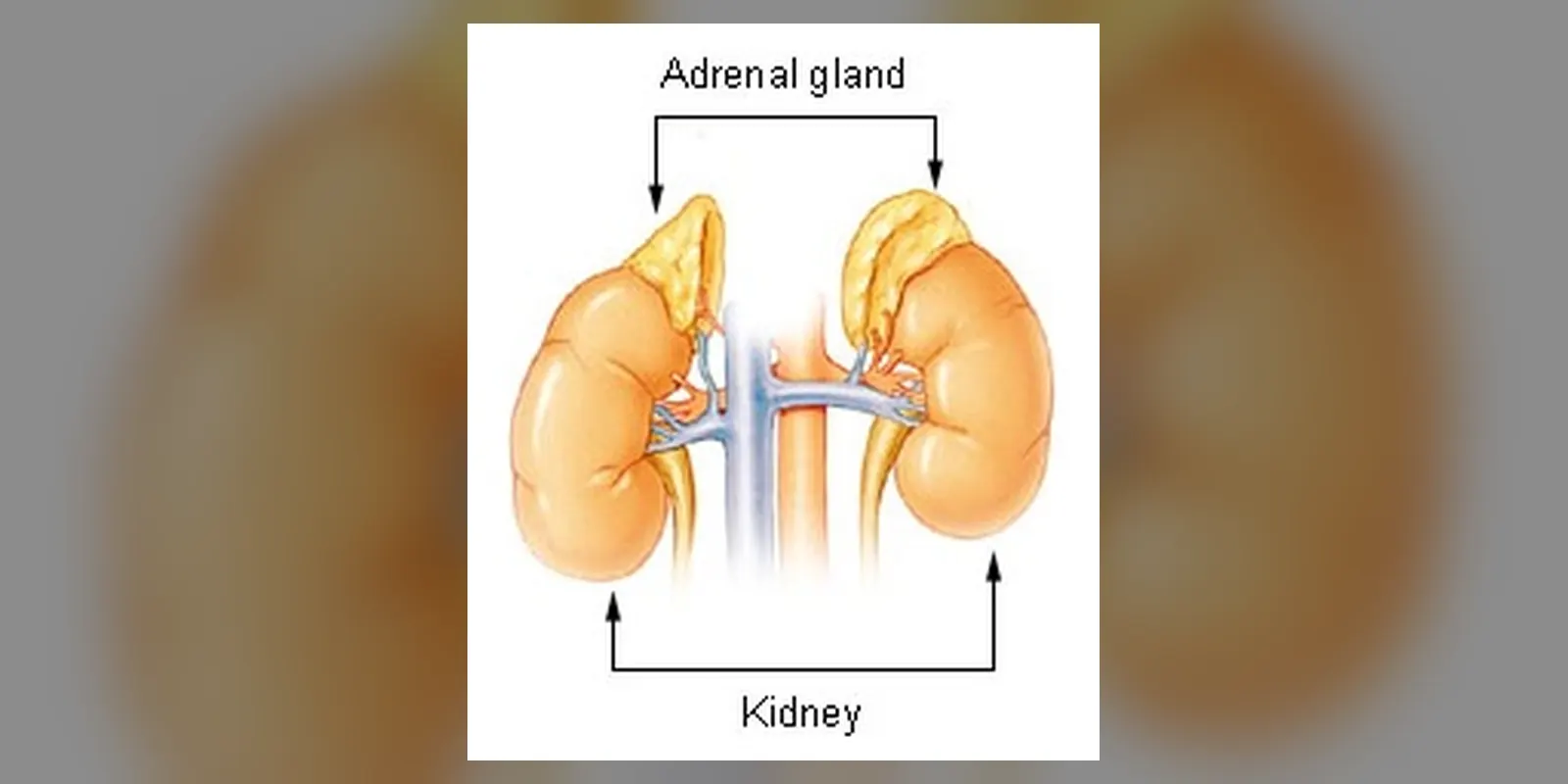
Secondary adrenal insufficiency is a condition in which the adrenal glands do not make enough cortisol because they are not receiving the signal to do so. The signal is a hormone called ACTH (adrenocorticotropic hormone), produced by the pituitary gland at the base of the brain. When the pituitary or the hypothalamus above it is not working properly, ACTH levels fall, and the healthy adrenal glands become underactive.
The most common cause is long-term treatment with steroid medicines, such as prednisolone, which switches off the body's own production of ACTH. Stopping these medicines suddenly can leave the body without enough cortisol. Other causes include pituitary tumours, pituitary surgery or radiotherapy, and head injury.
Unlike Addison's disease (primary adrenal insufficiency), the adrenal glands themselves are not damaged, and the hormone aldosterone, which controls salt balance, usually continues to be made normally. Symptoms such as tiredness, weakness, dizziness and nausea develop gradually, but a sudden illness can trigger a life-threatening adrenal crisis. Treatment with daily hydrocortisone, together with education on sick day rules, allows people to live normally.
When to get urgent help
Call emergency services, and use the emergency injection if you have one, if you have adrenal insufficiency or recently stopped long-term steroids and you:
- Are vomiting or have severe diarrhoea and cannot keep tablets down
- Become very weak, dizzy, confused or drowsy
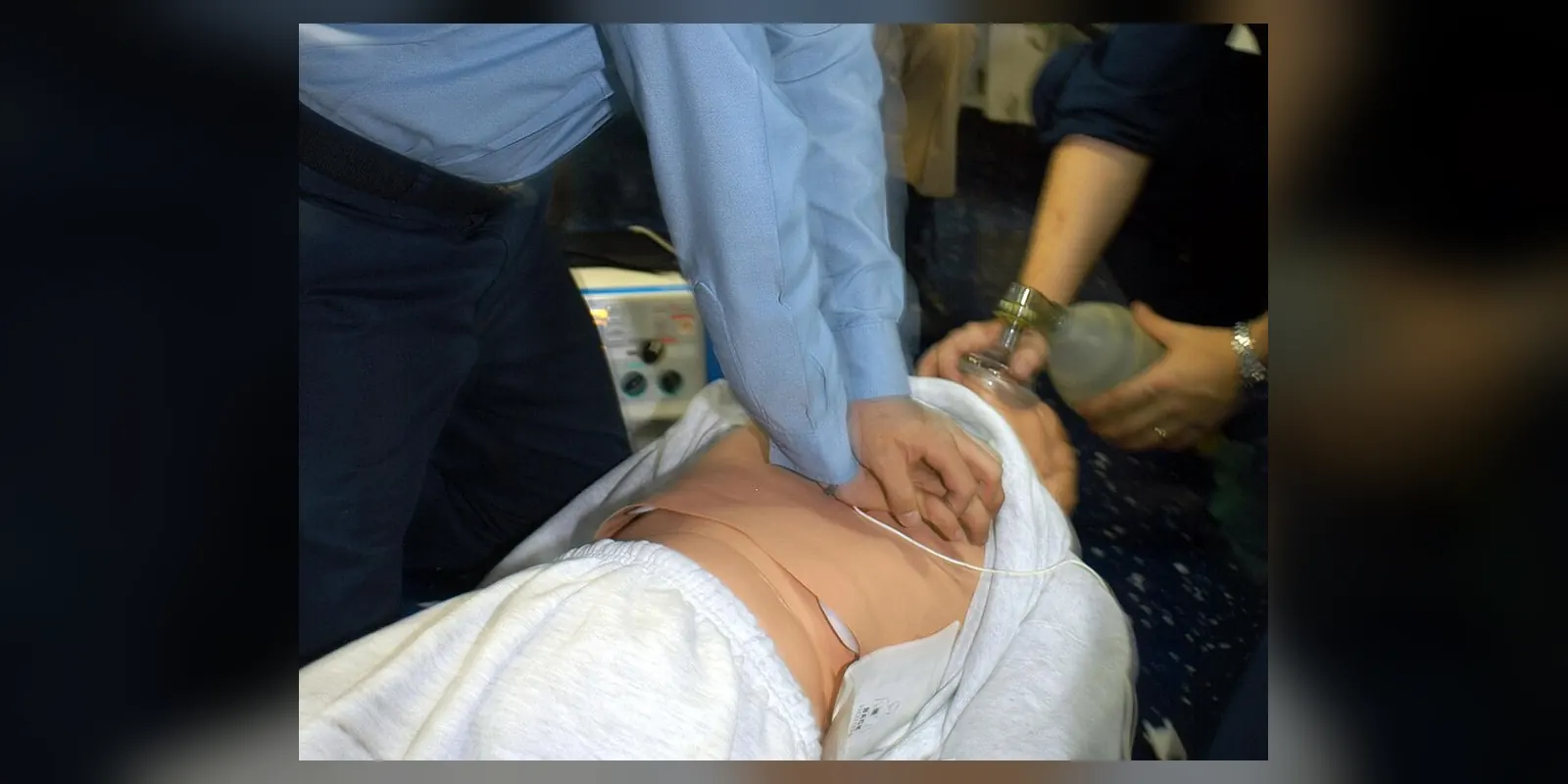
- Collapse
Seek emergency help for a sudden severe headache with vision loss, which may be pituitary apoplexy.
Causes and risk factors
Tertiary adrenal insufficiency (suppression of the hypothalamus), most commonly due to:
- Long-term glucocorticoid medicines, including tablets (such as prednisolone or dexamethasone), high-dose inhaled steroids, repeated joint injections, and potent skin creams over large areas
- Stopping these medicines suddenly, or missing doses during illness
- Rarely, opioid medicines used long term
Secondary adrenal insufficiency (pituitary causes):
- Pituitary tumours, usually benign adenomas, which compress normal pituitary tissue
- Pituitary surgery or radiotherapy
- Pituitary apoplexy: sudden bleeding into a pituitary tumour
- Sheehan's syndrome: damage to the pituitary from severe blood loss during childbirth
- Head injury or brain haemorrhage
- Infections and inflammatory conditions such as tuberculosis, sarcoidosis and hypophysitis (inflammation of the pituitary), including that caused by immune checkpoint inhibitor cancer medicines
- Genetic disorders of pituitary development
- Craniopharyngioma and other tumours near the pituitary
How it develops (pathophysiology)
Normal control of cortisol
Cortisol production is controlled by the hypothalamic-pituitary-adrenal (HPA) axis, a three-step chain of command:
- The hypothalamus, in the base of the brain, releases corticotropin-releasing hormone (CRH) into small blood vessels leading to the pituitary.
- CRH stimulates corticotroph cells in the anterior pituitary to make pro-opiomelanocortin (POMC), which is cut into several hormones, including ACTH.
- ACTH travels in the blood to the adrenal cortex, where it binds to the melanocortin-2 receptor and stimulates the zona fasciculata to make cortisol. ACTH also maintains the size and health of the adrenal cortex; without it, the cortex shrinks.
Cortisol then feeds back to the hypothalamus and pituitary to reduce CRH and ACTH release (negative feedback), keeping levels stable. Cortisol follows a daily rhythm, peaking in the early morning, and rises during stress such as illness, injury or surgery.
Aldosterone, produced by the outer zona glomerulosa of the adrenal cortex, is controlled mainly by the renin-angiotensin system and potassium, not by ACTH. This is why aldosterone production is usually normal in secondary adrenal insufficiency.
What goes wrong
Steroid-induced suppression. When someone takes glucocorticoid medicines at doses higher than the body's natural cortisol production for more than a few weeks, the medicine provides strong negative feedback to the hypothalamus and pituitary. CRH and ACTH production are switched off. Without ACTH stimulation, the adrenal cortex atrophies (shrinks) and loses its capacity to produce cortisol. While the person keeps taking the medicine, they have enough glucocorticoid. However, if the medicine is stopped abruptly, reduced too quickly, or if they become ill and need more cortisol than the medicine provides, the suppressed HPA axis cannot respond. Recovery of the axis after stopping long-term steroids can take weeks, months or occasionally more than a year.
Pituitary or hypothalamic damage. Tumours, surgery, radiotherapy, bleeding or inflammation destroy or compress corticotroph cells or interrupt the blood supply carrying CRH from the hypothalamus. ACTH production falls permanently or temporarily. Other pituitary hormones are often affected too (hypopituitarism), including thyroid-stimulating hormone, growth hormone, the gonadotrophins (LH and FSH) and sometimes antidiuretic hormone.
How the disease develops
- ACTH levels fall or are inappropriately low.
- Cortisol production by the adrenal cortex declines, and the cortex gradually shrinks.
- Baseline cortisol may be just enough for daily life, but the body cannot increase cortisol during stress.
- Because ACTH is low, there is no stimulation of melanocytes, so the skin does not darken (unlike Addison's disease).
- Aldosterone production continues, so severe salt loss and high potassium are uncommon.
- Low cortisol reduces the suppression of antidiuretic hormone (ADH), causing the body to retain water and leading to low sodium (hyponatraemia) by dilution.
Why the symptoms happen
- Tiredness, weakness and reduced stamina reflect cortisol's role in energy metabolism and muscle function.
- Nausea, poor appetite, weight loss and abdominal discomfort are due to cortisol deficiency affecting the gut and appetite.
- Dizziness and low blood pressure, especially on standing, occur because cortisol is needed for blood vessels to respond to adrenaline and noradrenaline. Low blood pressure is usually milder than in Addison's disease because aldosterone is preserved.
- Low blood sugar results from reduced glucose production by the liver, particularly during fasting, illness or in children.
- Joint and muscle aches may occur, especially when steroid doses are being reduced (steroid withdrawal).
- Low sodium results from water retention caused by increased ADH.
- Pale skin, rather than darkening, reflects low ACTH and POMC.
- Symptoms of other pituitary hormone deficiencies, such as feeling cold (low thyroid), loss of periods or libido (low sex hormones), or headaches and visual changes from a pituitary tumour.
How complications develop
The main danger is adrenal crisis. During infection, injury, surgery or vomiting, cortisol demand rises sharply. With a suppressed HPA axis and no extra medicine, cortisol becomes severely deficient, causing low blood pressure, shock, low blood sugar and collapse. Crises can be less severe than in primary adrenal insufficiency because aldosterone is preserved, but they are still life-threatening.
Long-term over-replacement with hydrocortisone can cause features of excess cortisol, including weight gain, high blood pressure, diabetes and osteoporosis, so doses are kept as low as possible.
In people with pituitary disease, starting thyroid hormone before cortisol replacement can precipitate a crisis, because thyroid hormone increases cortisol breakdown and the body's energy demands.
How treatment acts on the mechanism
- Hydrocortisone (or prednisolone) replaces cortisol, given in doses that mimic the natural daily rhythm. This restores energy, blood pressure responsiveness, glucose production and the ability to excrete water, correcting low sodium.
- Sick day rules increase doses during illness, imitating the normal stress response that the suppressed axis cannot produce.
- Emergency hydrocortisone injections bypass the gut during vomiting.
- Gradual tapering of long-term steroids gives the hypothalamus and pituitary time to restart ACTH production and allows the adrenal cortex to regrow. Morning cortisol tests or ACTH stimulation tests can show when the axis has recovered.
- Fludrocortisone is usually not needed because aldosterone is preserved.
- Treatment of pituitary causes, such as surgery for tumours, and replacement of other missing pituitary hormones, addresses the wider problem. Cortisol replacement is always started before thyroid hormone.
Types
- Secondary adrenal insufficiency: due to pituitary disease, with low ACTH
- Tertiary adrenal insufficiency: due to hypothalamic suppression, most often from glucocorticoid medicines
- Glucocorticoid-induced adrenal insufficiency: the commonest form overall, often temporary
- Isolated ACTH deficiency: rare, with other pituitary hormones normal
Signs and symptoms
- Persistent tiredness and weakness
- Poor appetite, nausea and weight loss
- Dizziness or fainting, especially on standing
- Muscle and joint aches
- Abdominal discomfort
- Low mood and poor concentration
- Low blood sugar, causing sweating, shakiness or confusion, particularly in children
- Symptoms of other pituitary problems, such as headaches, visual disturbances, absent periods, low libido or feeling cold
Symptoms can be subtle and develop slowly, or appear when steroid medicines are stopped or reduced.
How it is diagnosed
- Early morning (8–9 am) cortisol blood test: low levels suggest adrenal insufficiency
- ACTH level: low or inappropriately normal in secondary insufficiency (high in Addison's disease)
- ACTH stimulation test (short Synacthen test): shows a reduced cortisol response, although it may be normal in very recent pituitary damage
- Insulin tolerance test or glucagon stimulation test in specialist centres to assess the full HPA axis
- Other pituitary hormone tests: thyroid, sex hormones, growth hormone and prolactin
- MRI of the pituitary if a pituitary cause is suspected
- Sodium and glucose levels
- Review of all steroid medicines, including inhalers, creams and injections
Possible complications
- Adrenal crisis
- Low sodium
- Low blood sugar
- Effects of other pituitary hormone deficiencies
- Side effects of over-replacement, such as weight gain, high blood pressure and osteoporosis
Goals of treatment
Treatment aims to replace cortisol at the lowest effective dose, prevent adrenal crisis, allow recovery of the HPA axis where possible (for example after steroid treatment), and manage any underlying pituitary disease and other hormone deficiencies.
Medicines
- Hydrocortisone, usually two or three times daily, or prednisolone once daily
- Gradual tapering of glucocorticoid medicines under medical supervision when stopping long-term treatment
- Increased doses during illness (sick day rules)
- Emergency hydrocortisone injection kit
- Replacement of other pituitary hormones as needed, with thyroid hormone started only after cortisol replacement
Other treatments
- Pituitary surgery or radiotherapy for tumours
- Education on sick day rules, emergency injections and steroid emergency cards
- Medical alert identification
- Extra steroid cover for surgery, procedures and childbirth
- Regular endocrinology review
Living with it and prevention
- Never stop steroid medicines suddenly after more than a few weeks of use; follow the reduction plan your doctor gives you
- Tell healthcare professionals if you take or have recently taken steroid medicines, including inhalers, creams and injections
- Carry a steroid emergency card
- Follow sick day rules and keep an emergency kit if advised
- Report symptoms such as tiredness, dizziness or nausea while reducing steroids
Monitoring and follow-up
People recovering from steroid-induced suppression have periodic morning cortisol tests to check when the axis has recovered and replacement can stop. Those with pituitary disease need lifelong endocrinology follow-up, including MRI scans and checks of all pituitary hormones. Weight, blood pressure, glucose and bone health are monitored to avoid over-replacement.
Outlook
The outlook is good with appropriate treatment and education. Steroid-induced adrenal insufficiency often recovers over months after steroids are gradually reduced. Secondary adrenal insufficiency from pituitary damage is usually permanent but well controlled with daily hydrocortisone.
Special considerations
- People on long-term steroids for conditions such as asthma, COPD, rheumatoid arthritis, inflammatory bowel disease or after transplant should know the signs of adrenal insufficiency
- Children using high-dose inhaled steroids may need monitoring of growth and adrenal function
- Pregnancy: doses may need increasing in late pregnancy and during labour
- Women after severe postpartum bleeding with difficulty breastfeeding or absent periods should be checked for Sheehan's syndrome