
Overview
Telogen effluvium is a common form of temporary hair loss in which far more hairs than usual are shed across the whole scalp. It usually begins two to three months after a physical or emotional shock to the body, such as a high fever, surgery, childbirth, severe stress, a crash diet or starting a new medicine.
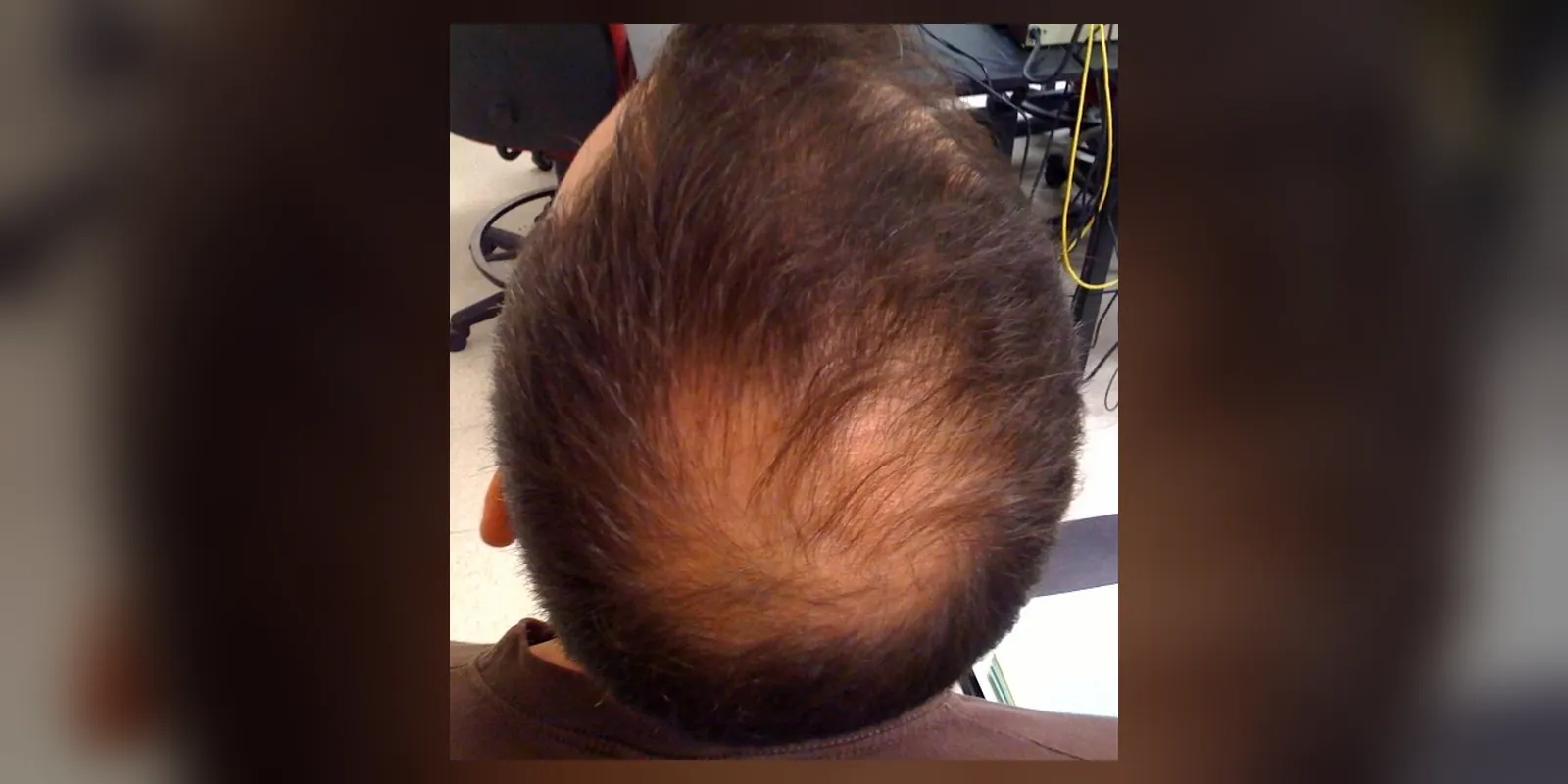
People typically notice large amounts of hair on the pillow, in the shower or on a brush, and the hair feels thinner overall, though bald patches do not form. Although it is distressing, telogen effluvium does not damage the hair follicles, and in most cases hair grows back fully within six to twelve months once the trigger has passed. Some people have a long-lasting form called chronic telogen effluvium.
When to get urgent help
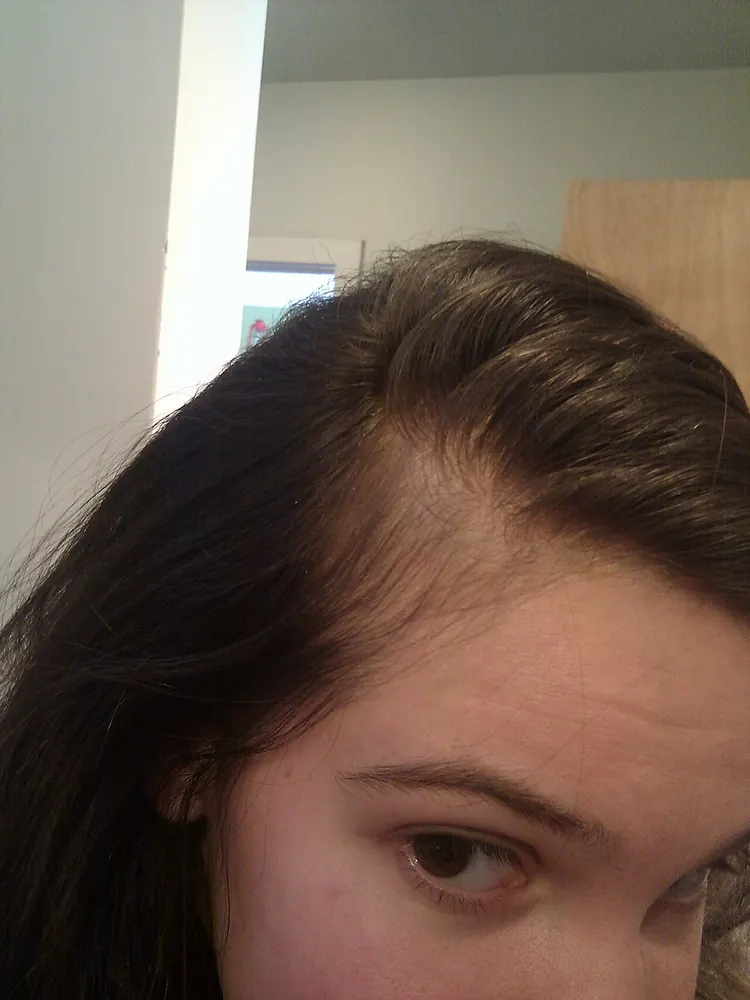
See a doctor promptly if hair loss is patchy, scarring, sudden and severe, or accompanied by weight loss, tiredness, rashes or other symptoms of illness.
Causes and risk factors
- Childbirth (postpartum hair shedding)
- High fever or severe illness, including COVID-19 and other infections
- Surgery, major injury or blood loss
- Severe emotional stress or bereavement
- Crash dieting, rapid weight loss or low protein intake
- Iron deficiency, low vitamin D or zinc deficiency
- Thyroid disorders, both overactive and underactive
- Stopping the contraceptive pill or other hormone changes
- Medicines, such as some anticoagulants, beta-blockers, retinoids, antidepressants and anticonvulsants
- Chronic illness, such as kidney or liver disease
How it develops (pathophysiology)
The normal hair cycle
Each of the roughly 100,000 hairs on the scalp grows from its own follicle, which goes through a repeating cycle:
- Anagen (growth phase): lasts two to six years; about 85 to 90 percent of hairs are growing at any time
- Catagen (transition phase): lasts about two weeks, as the follicle shrinks
- Telogen (resting phase): lasts about three months; about 10 to 15 percent of hairs are resting
- Exogen (shedding): the old hair falls out as a new anagen hair begins to grow beneath it
Follicles cycle independently, so shedding is normally spread out, with about 50 to 100 hairs lost a day.
What goes wrong
In telogen effluvium, a stressful event causes a large number of growing (anagen) follicles to switch prematurely into the resting (telogen) phase at the same time. This is called immediate telogen release. The mechanism involves stress hormones, inflammatory cytokines, reduced nutrient supply and hormonal changes, which disturb the signals that keep follicles in the growth phase. For example:
- Fever and illness release cytokines such as interleukin-1 and tumour necrosis factor, which signal follicles to stop growing.
- Childbirth causes a sudden fall in oestrogen. During pregnancy, high oestrogen keeps more hairs in anagen; after delivery, many enter telogen together.
- Nutritional deficiency deprives rapidly dividing follicle cells of iron, protein and energy.
- Psychological stress increases cortisol and neuropeptides such as substance P, which can push follicles into telogen.
Because telogen lasts about three months, the shedding is delayed: hairs fall out two to four months after the trigger, which is why many people do not connect the two. In chronic telogen effluvium, the anagen phase is shortened over a long period, so more hairs are always in telogen.
The follicles themselves are not destroyed, so once the trigger is removed, they re-enter anagen and regrow hair.
Why the symptoms happen
- Excessive shedding occurs as many telogen hairs are released together.
- Diffuse thinning affects the whole scalp because follicles everywhere are involved.
- Short new hairs appear along the hairline during recovery as follicles restart growth.
- Club-shaped hair roots (white bulbs) are typical of shed telogen hairs.
How treatment acts on the mechanism
Identifying and correcting the trigger, such as treating iron deficiency or thyroid disease, or stopping a responsible medicine, allows follicles to return to the growth phase. Minoxidil may prolong the anagen phase and speed regrowth in persistent cases. Good nutrition supports the high energy demands of growing follicles.
Types
- Acute telogen effluvium: shedding lasting less than six months
- Chronic telogen effluvium: shedding lasting more than six months, often in middle-aged women
- Postpartum telogen effluvium: after childbirth
Signs and symptoms
- Noticeably more hair falling out, especially when washing or brushing
- Hair on the pillow and clothes
- Thinning across the whole scalp rather than in patches
- A thinner ponytail
- Short regrowing hairs at the front of the hairline during recovery
- Occasionally scalp discomfort or tenderness
Eyebrows and body hair are rarely affected.
How it is diagnosed
- History of triggers in the three months before shedding began
- Scalp examination and dermoscopy
- Hair pull test: gently pulling a small bunch of hair releases more than a few hairs when shedding is active
- Blood tests: full blood count, ferritin (iron stores), thyroid function, vitamin D, zinc and sometimes hormones
- Scalp biopsy rarely, to distinguish it from other types of hair loss
Possible complications
- Psychological distress, anxiety and low self-esteem
- Unmasking of underlying female or male pattern hair loss
- Chronic shedding in some people
Goals of treatment
The aims are to identify and treat the trigger, support regrowth, and reassure people about the usually temporary nature of the condition.
Medicines
- Iron supplements if ferritin is low
- Vitamin D if deficient
- Treatment of thyroid disease
- Minoxidil topical solution or foam for persistent shedding, used on medical advice
- Review of medicines that may be contributing
Other treatments
- Balanced diet with enough protein, iron and calories
- Stress management and support
- Gentle hair care: avoiding tight hairstyles, harsh treatments and excessive heat
- Hair styling or volumising products to make thinning less noticeable
Living with it and prevention
- Avoid crash diets and rapid weight loss
- Eat a varied diet rich in protein and iron
- Manage long-term conditions well
- Know that shedding after childbirth or illness is common and usually recovers
Monitoring and follow-up
Shedding usually slows within three to six months, and regrowth becomes visible over the following months. People with persistent shedding should have repeat blood tests and dermatology review.
Outlook
Most people recover completely within six to twelve months once the trigger resolves. Chronic forms can fluctuate for years but do not lead to baldness.
Special considerations
- After childbirth: shedding usually peaks around three to four months after delivery and settles by one year
- Women: chronic forms are more common and may coexist with female pattern hair loss
- After severe illness such as COVID-19, shedding is common during recovery