
Overview
An anal fistula is a small tunnel that develops between the inside of the anal canal and the skin around the anus. It usually forms after an anal abscess, a collection of pus, bursts or is drained, leaving a channel that does not heal.
Anal fistulas cause discharge of pus or blood, skin irritation and sometimes pain and swelling. They are more common in men and in people aged 20 to 40, and they are also associated with Crohn's disease. Anal fistulas rarely heal on their own, and most need surgery. The choice of operation depends on how the tunnel passes through the sphincter muscles, which control bowel continence.
Although an anal fistula is not dangerous in itself, it can be uncomfortable and embarrassing, and it can lead to repeated abscesses. With modern techniques, most fistulas can be treated successfully while protecting bowel control.
When to get urgent help
Seek urgent care for severe pain, swelling, fever, inability to sit, or signs of spreading infection.
Causes and risk factors
- Previous anal abscess: the most common cause
- Crohn's disease
- Infections such as tuberculosis, HIV or sexually transmitted infections
- Previous anal surgery or injury
- Radiotherapy to the pelvis
- Diverticulitis (rarely)
- Anal cancer (rarely)
How it develops (pathophysiology)
Normal anatomy
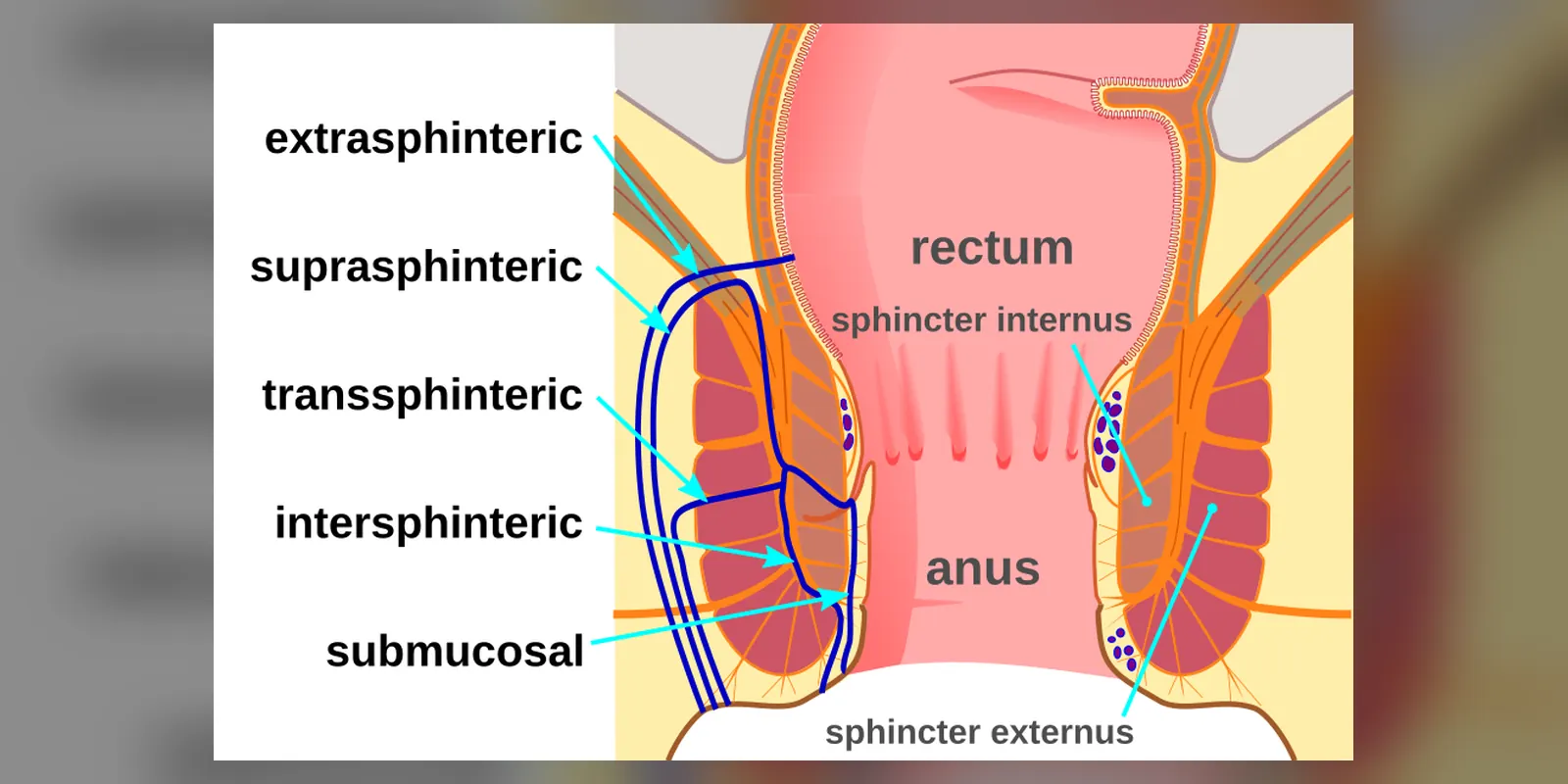
The anal canal contains small anal glands that open into pockets called anal crypts at the dentate line, about halfway along the canal. These glands extend into the space between the internal and external anal sphincters, the muscle rings that control continence.
What goes wrong
Most fistulas follow the cryptoglandular process:
- Gland blockage: an anal gland becomes blocked, for example by debris or swelling.
- Infection: bacteria from the bowel multiply, causing infection in the gland.
- Abscess formation: pus collects and spreads through the paths of least resistance between or through the sphincter muscles, forming an anal abscess.
- Bursting or drainage: the abscess bursts through the skin or is surgically drained.
- Tunnel formation: in about one third of cases, the track between the infected gland (the internal opening) and the skin (the external opening) becomes lined with granulation tissue and later epithelium. This prevents it from closing, creating a fistula.
Continuous contamination with bowel contents keeps the tunnel infected and open. In Crohn's disease, inflammation of the bowel wall itself creates more complex fistulas with multiple tracts.
Fistulas are classified by their relationship to the sphincter muscles (Parks classification): intersphincteric, transsphincteric, suprasphincteric and extrasphincteric. Fistulas that cross a large amount of sphincter muscle are called complex and need careful treatment to avoid incontinence.
Why the symptoms happen
- Discharge of pus, blood or stool occurs through the external opening.
- Skin irritation and itching result from the discharge.
- Pain and swelling occur when the tract blocks and pus builds up again.
- Fever may develop with recurrent abscess.
How treatment acts on the mechanism
Treatment removes or closes the tunnel while protecting the sphincter muscles. Fistulotomy lays the tunnel open so it heals from the base. A seton (a thread through the tunnel) drains infection and can slowly cut through or prepare the tract for other procedures. Advancement flaps and LIFT procedures close the internal opening without cutting much muscle. In Crohn's disease, medicines such as anti-TNF antibodies reduce inflammation and promote healing.
Fistulas are not caused by poor hygiene. Constant small amounts of moisture and bacteria entering the track from the bowel explain why the tunnel stays open and keeps producing discharge. Fistulas linked to Crohn's disease are driven by deep inflammation of the bowel wall, involving immune cells and signals such as tumour necrosis factor, which break down tissue and prevent normal healing.
Types
- Simple fistula: low, crossing little sphincter muscle
- Complex fistula: crossing much of the sphincter, multiple tracts, or associated with Crohn's disease, radiation or previous surgery
- By path: intersphincteric, transsphincteric, suprasphincteric, extrasphincteric
Signs and symptoms
- Discharge of pus or blood near the anus
- Skin irritation and itching
- Pain, especially when sitting or passing stools
- Swelling and redness around the anus
- Fever if an abscess forms
- Occasionally passing stool or wind through the opening
Symptoms often come and go. The opening may close for a while, allowing pus to build up and cause painful swelling, then reopen and drain, bringing relief. Many people notice staining of underwear.
How it is diagnosed
- Examination of the anus, which may show an external opening
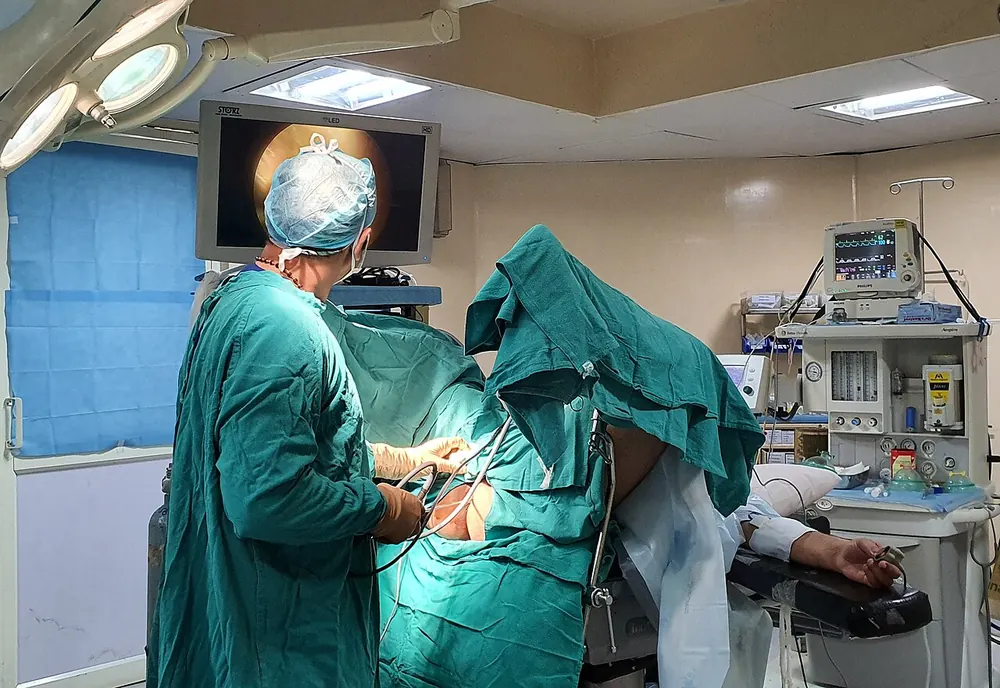
- Examination under anaesthesia to trace the tunnel
- MRI of the pelvis, the best imaging test for complex fistulas
- Endoanal ultrasound
- Colonoscopy if Crohn's disease is suspected
Possible complications
- Recurrent abscesses
- Recurrence after treatment
- Faecal incontinence after surgery, especially in complex fistulas
- Rarely, cancer in long-standing fistulas
Goals of treatment
Treatment aims to heal the fistula, prevent recurrence and protect continence.
Medicines
- Antibiotics for acute infection or alongside surgery
- Pain relief
- Anti-TNF medicines (such as infliximab or adalimumab) and other biologics for Crohn's fistulas
- Stem cell injections in some centres for Crohn's fistulas
Other treatments
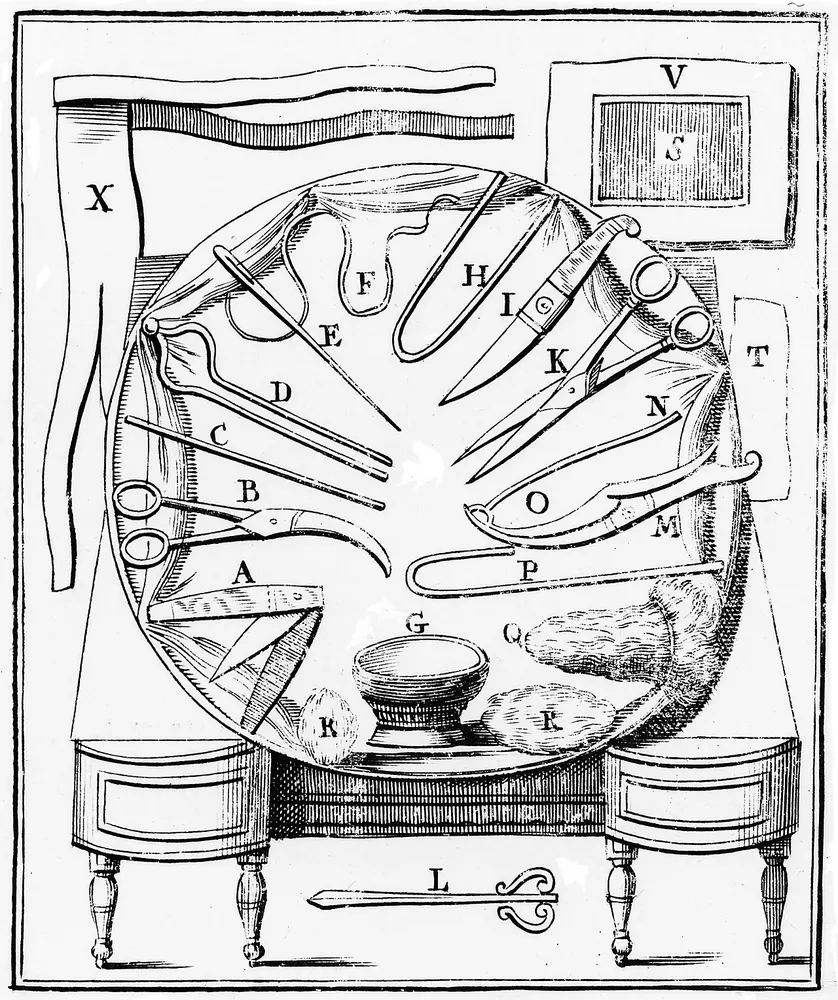
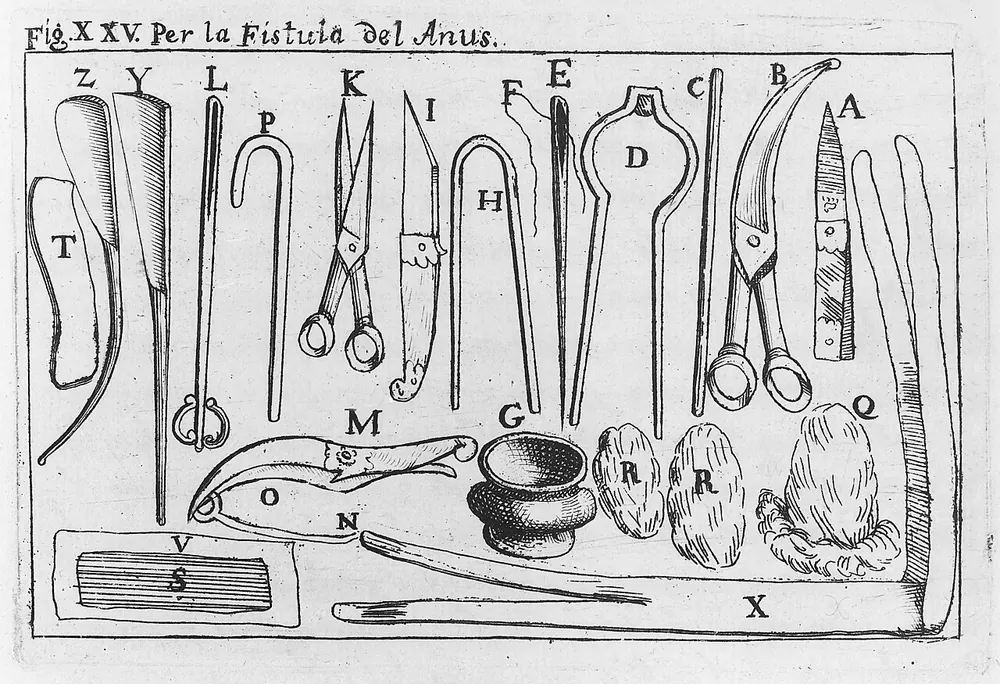
- Fistulotomy: opening the tunnel; most effective for simple fistulas
- Seton placement: a loose seton drains infection; a tight seton gradually cuts through
- Advancement flap: covering the internal opening with healthy tissue
- LIFT procedure (ligation of intersphincteric fistula tract)
- Fistula plugs or glue, with variable success
- Laser closure
- Temporary stoma in severe complex cases
Recovery after fistulotomy usually takes a few weeks. Warm baths, keeping the wound clean, and stool softeners help healing. Some procedures need more than one stage.
Living with it and prevention
- Seek early treatment for anal abscesses
- Manage Crohn's disease well
- Keep the area clean and dry
- Avoid constipation and straining
Monitoring and follow-up
After surgery, wounds are checked until healed. People with complex fistulas or Crohn's disease need long-term follow-up.
Outlook
Most simple fistulas are cured with surgery. Complex fistulas may need several procedures, and recurrence is more common, especially in Crohn's disease.
Special considerations
- Crohn's disease: requires coordinated medical and surgical care
- Women: fistulas near the vagina and previous childbirth injury need extra care to protect continence
- People with HIV or tuberculosis: need treatment of the underlying infection