

Overview
Anorexia nervosa is a serious mental illness in which a person restricts how much they eat, leading to a significantly low body weight. It is driven by an intense fear of gaining weight and a distorted view of body shape or size, where the person may see themselves as larger than they are.
It most often begins in adolescence or early adulthood and is more common in girls and women, though it affects people of all genders, ages and backgrounds. Anorexia has the highest death rate of any mental illness, from both physical complications and suicide. However, recovery is possible, especially with early treatment, which focuses on restoring weight and nutrition and on psychological therapy.
When to get urgent help
Seek emergency help for fainting, chest pain, palpitations, confusion, severe weakness, very low weight, vomiting blood, or thoughts of suicide.
Causes and risk factors
Anorexia nervosa results from a combination of factors:
- Genetics: eating disorders run in families; genetic studies suggest links to metabolic and psychiatric traits
- Personality traits: perfectionism, anxiety, obsessive thinking and high self-criticism
- Psychological factors: low self-esteem, difficulty managing emotions, need for control
- Life events and stress: bullying, abuse, bereavement, transitions such as starting university
- Cultural and social pressures around thinness and appearance, including social media
- Activities emphasising weight or shape: dance, modelling, gymnastics, running
- Dieting, which can trigger the illness in vulnerable people
How it develops (pathophysiology)
Normal appetite and energy regulation
Appetite, eating and body weight are controlled by the brain, particularly the hypothalamus, which receives signals about energy stores and food intake from hormones such as leptin (from fat tissue), ghrelin (from the stomach, which stimulates hunger) and insulin. Brain reward circuits involving dopamine and serotonin make eating pleasurable and help regulate mood and anxiety.
What goes wrong
Anorexia nervosa involves both psychological and biological changes:
- Psychological drivers: a strong fear of weight gain, distorted body image and an overvaluation of shape and weight lead to dietary restriction. Restriction may initially reduce anxiety or give a sense of control.
- Brain changes: research suggests altered serotonin and dopamine signalling. Food restriction may reduce anxiety by lowering serotonin activity, reinforcing the behaviour. Reward circuits respond differently to food, while circuits involved in self-control and habit become overactive, making restriction feel automatic.
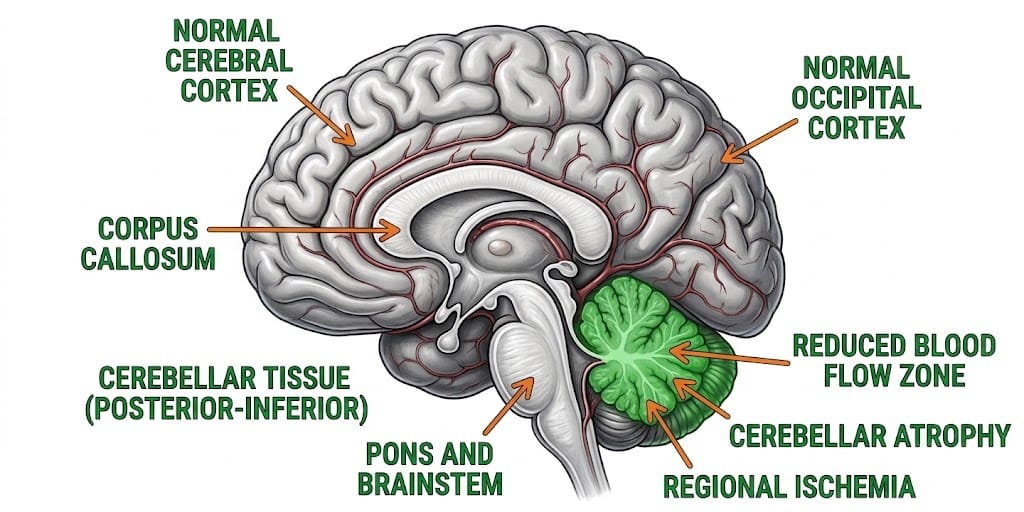
- Starvation effects on the brain: starvation itself causes rigid thinking, preoccupation with food, anxiety, depression and social withdrawal. The brain shrinks during starvation, which largely reverses with weight restoration. These effects make it harder to recover and create a self-perpetuating cycle.
Effects of starvation on the body
When energy intake is too low, the body enters a conservation mode:
- Metabolism slows: thyroid hormone (T3) falls, heart rate and body temperature drop
- Hormones change: the hypothalamus reduces GnRH, so oestrogen and testosterone fall, periods stop and bone loss occurs; cortisol rises
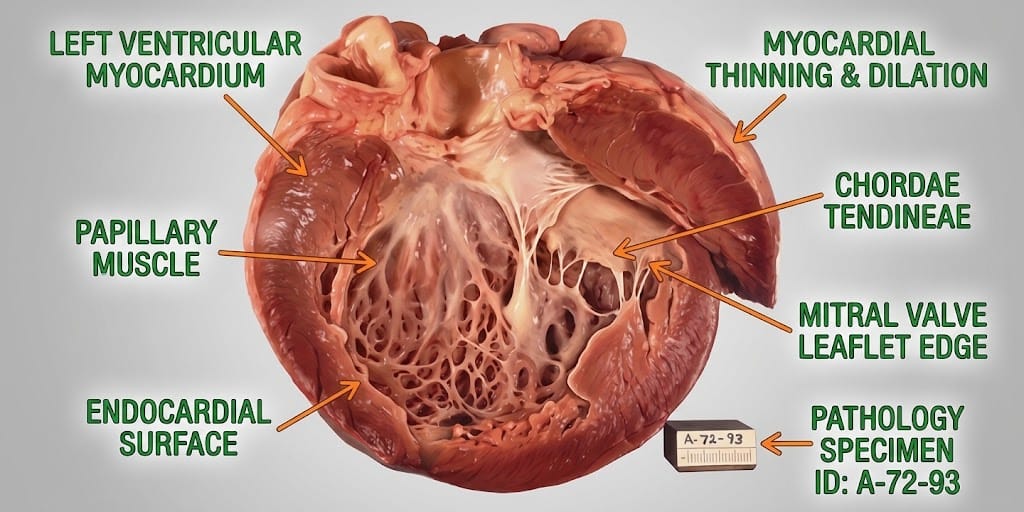
- Muscle and organ breakdown: the body breaks down muscle, including heart muscle, for energy
- Bone marrow changes: low blood counts
- Electrolyte disturbances: especially with vomiting or laxative misuse (low potassium, low phosphate)
Why the symptoms happen
- Weight loss results from restricted intake and sometimes excessive exercise or purging.
- Feeling cold, dizziness and fainting reflect slow heart rate, low blood pressure and low body temperature.
- Absent periods reflect suppressed reproductive hormones.
- Fine body hair (lanugo) grows to conserve heat.
- Brittle hair and nails, dry skin reflect malnutrition.
- Constipation and bloating occur as gut movement slows.
- Anxiety, irritability, low mood and obsessive thoughts about food reflect both the illness and starvation.
How treatment acts on the mechanism
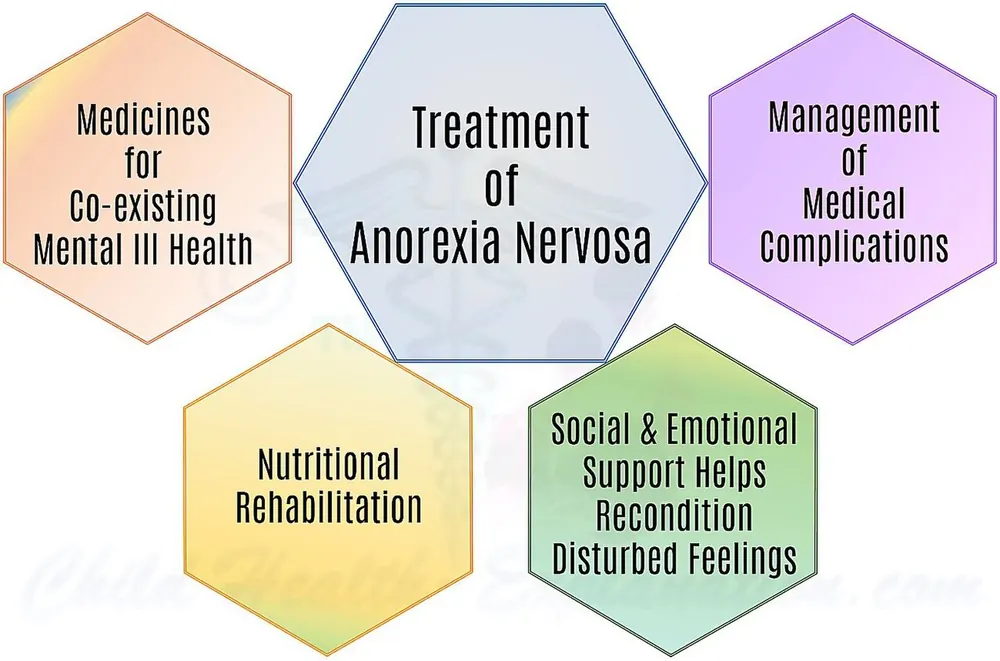
Nutritional restoration reverses starvation effects on the brain and body, improving thinking, mood and physical health. It must be done carefully to avoid refeeding syndrome, a dangerous shift in electrolytes when feeding resumes. Psychological therapies, including family-based treatment for young people and eating disorder-focused CBT, address fears about weight, distorted beliefs and emotional regulation. Medicines play a limited role but may help coexisting anxiety or depression.
Types
- Restricting type: weight loss mainly through dieting, fasting or excessive exercise
- Binge-eating/purging type: episodes of binge eating or purging (vomiting, laxatives, diuretics)
- Atypical anorexia: all features except low weight, despite significant weight loss
Signs and symptoms
Behavioural and psychological:
- Restricting food, skipping meals, avoiding certain foods
- Intense fear of gaining weight
- Distorted body image
- Excessive exercise
- Preoccupation with food, calories and weight
- Secrecy around eating
- Social withdrawal, anxiety and low mood
- Vomiting or misusing laxatives in some people
Physical:
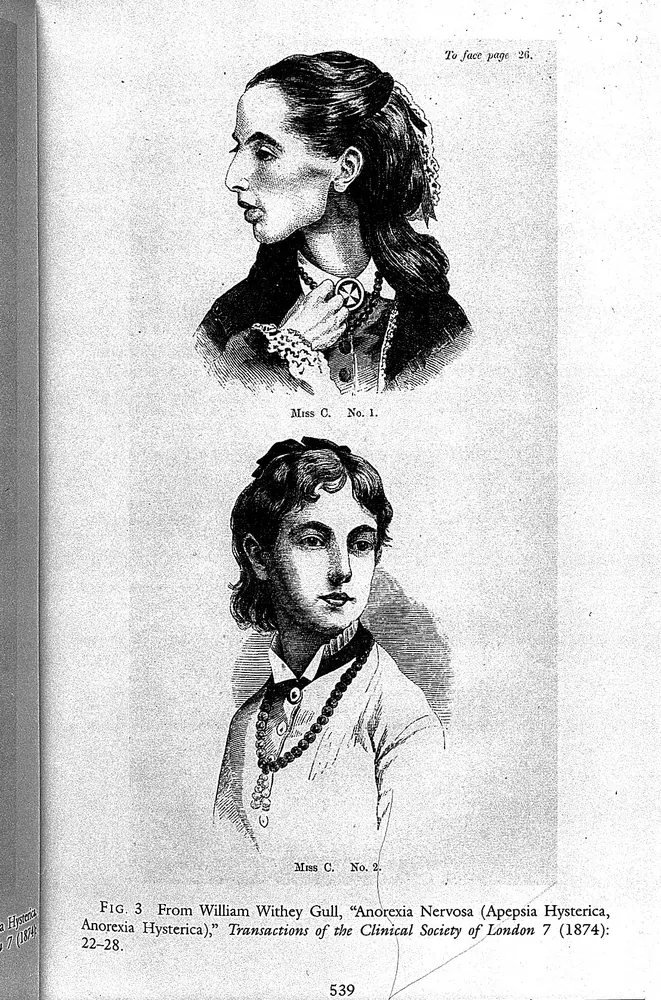
- Significant weight loss or failure to grow in children
- Tiredness, dizziness and fainting
- Feeling cold
- Absent or irregular periods
- Fine hair on the body
- Hair thinning, dry skin, brittle nails
- Constipation and bloating
- Slow heart rate
How it is diagnosed
- Assessment by a GP and specialist eating disorder service
- Weight, height and BMI (or growth charts in children)
- Physical examination: heart rate, blood pressure (lying and standing), temperature
- Blood tests: electrolytes, phosphate, magnesium, glucose, liver and kidney function, full blood count
- ECG to check heart rhythm
- Bone density scan in long-standing illness
- Risk assessment using tools such as MEED (Medical Emergencies in Eating Disorders) guidance
Possible complications
- Heart rhythm problems and sudden cardiac death
- Low blood pressure and fainting
- Electrolyte imbalances
- Refeeding syndrome
- Osteoporosis and fractures
- Infertility
- Anaemia and low white cells
- Growth stunting and delayed puberty in young people
- Depression, anxiety and suicide
- Death
Goals of treatment
Treatment aims to restore healthy weight and nutrition, treat physical complications, address the thoughts and behaviours driving the illness, and support long-term recovery.
Medicines
- Nutritional supplements and vitamins, including phosphate, during refeeding
- Medicines for coexisting conditions, such as antidepressants for depression or anxiety, used cautiously
- Olanzapine in low doses occasionally, under specialist supervision
Other treatments
- Family-based treatment for children and adolescents
- Eating disorder-focused cognitive behavioural therapy (CBT-ED)
- MANTRA (Maudsley Anorexia Nervosa Treatment for Adults)
- Specialist supportive clinical management
- Dietetic support
- Day patient or inpatient treatment for severe illness
- Medical stabilisation in hospital if there are serious physical risks
Living with it and prevention
- Seek help early if eating behaviours or weight concerns are affecting daily life
- Encourage a balanced approach to food, exercise and body image
- Be cautious with diets in young people
- Support self-esteem not based on appearance
Recovery is helped by:
- Regular meals and snacks
- Ongoing therapy
- Family and friends' support
- Relapse prevention planning
Monitoring and follow-up
Regular monitoring includes weight, heart rate, blood pressure, temperature and blood tests, particularly during refeeding. Bone health and mental health are monitored. Follow-up continues after weight restoration to prevent relapse.
Outlook
Many people recover fully, especially with early treatment, though recovery may take years. Some have long-term illness. Early intervention improves outcomes.
Special considerations
- Children and adolescents: rapid deterioration is possible; families are central to treatment
- Men and boys: often diagnosed later; may focus on muscularity
- Pregnancy: increased risks for mother and baby; specialist care is needed
- People with type 1 diabetes: may restrict insulin, increasing risk