
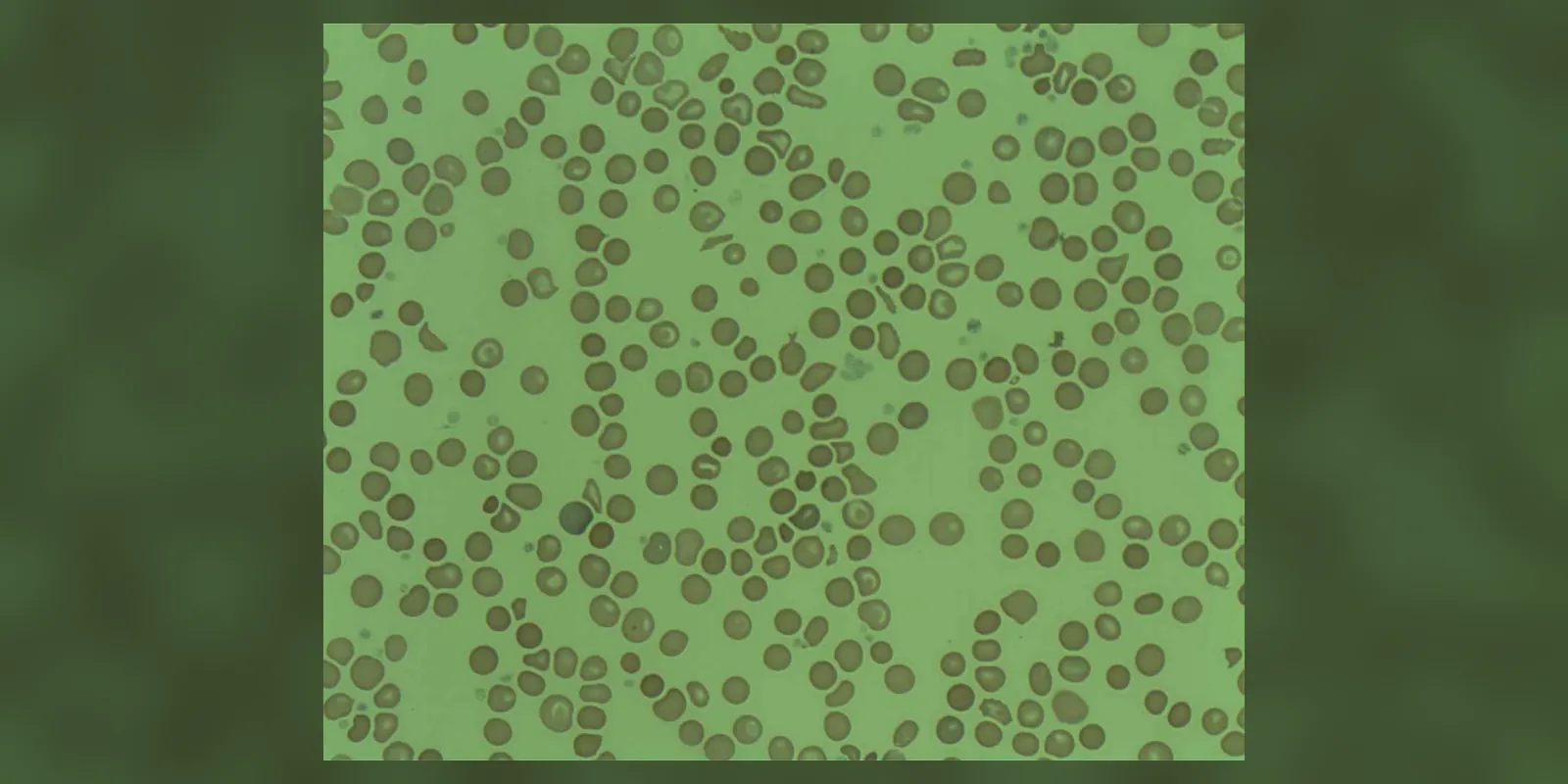
Overview
Aplastic anaemia is a rare but serious condition in which the bone marrow, the soft tissue inside bones where blood cells are made, fails to produce enough blood cells. All three types are affected: red blood cells, which carry oxygen; white blood cells, which fight infection; and platelets, which help blood clot. This combination is called pancytopenia.
People may feel very tired and breathless, get frequent infections, and bruise or bleed easily. Aplastic anaemia can affect people of any age but is most common in young adults and people over 60. Most cases are caused by the immune system attacking the bone marrow's stem cells. Treatments include immunosuppressive therapy and bone marrow (stem cell) transplantation, which can cure the condition in many people.
When to get urgent help
Seek emergency care for fever of 38°C or higher, shivering, bleeding that will not stop, blood in vomit, urine or stools, severe headache, or confusion.
Causes and risk factors
- Autoimmune (idiopathic): the immune system attacks bone marrow stem cells; the most common cause
- Medicines: some antibiotics (chloramphenicol), anti-epileptics, anti-thyroid drugs, gold and some anti-inflammatory drugs
- Chemicals: benzene, pesticides
- Radiation and chemotherapy
- Viral infections: hepatitis (seronegative hepatitis), Epstein-Barr virus, HIV, parvovirus B19
- Pregnancy (rarely)
- Inherited bone marrow failure syndromes: Fanconi anaemia, dyskeratosis congenita and short telomere syndromes
- Paroxysmal nocturnal haemoglobinuria (PNH), which often overlaps
How it develops (pathophysiology)
Normal blood formation
All blood cells come from haematopoietic stem cells in the bone marrow. These cells can renew themselves and develop into red cells, white cells and platelets. Healthy marrow is packed with developing blood cells, and growth signals keep production balanced with the body's needs.
What goes wrong
In aplastic anaemia, the number of haematopoietic stem cells is greatly reduced, and the marrow becomes hypocellular, replaced mostly by fat:
- Immune attack: in most cases, cytotoxic T lymphocytes become activated against stem cells, possibly triggered by a virus, medicine or chemical that alters stem cell proteins.
- Cytokine damage: activated T cells release interferon gamma and tumour necrosis factor, which suppress stem cell growth and trigger programmed cell death.
- Stem cell loss: as stem cells die, the marrow cannot keep up production of all blood cell lines.
- Direct toxicity: some medicines, chemicals and radiation directly damage stem cell DNA.
- Inherited forms: genetic defects in DNA repair (Fanconi anaemia) or in telomere maintenance make stem cells fragile and short-lived.
Some people with aplastic anaemia have small populations of cells lacking certain surface proteins (PNH clones), which appear to escape the immune attack.
Why the symptoms happen
- Tiredness, breathlessness, pale skin and palpitations result from low red cells (anaemia).
- Frequent or severe infections, mouth ulcers and fever result from low neutrophils (neutropenia).
- Easy bruising, nosebleeds, bleeding gums, heavy periods and tiny red spots (petechiae) result from low platelets (thrombocytopenia).
Unlike leukaemia, the liver, spleen and lymph nodes are usually not enlarged, because the marrow is empty rather than crowded.
How treatment acts on the mechanism
Immunosuppressive therapy with antithymocyte globulin (ATG) and ciclosporin suppresses the T cells attacking stem cells, allowing the marrow to recover. Eltrombopag stimulates the thrombopoietin receptor on stem cells, boosting production across cell lines. Stem cell transplantation replaces the damaged marrow with healthy donor stem cells and a new immune system. Transfusions and antibiotics support the person while the marrow recovers.
Types
Classified by severity of low blood counts:
- Moderate (non-severe) aplastic anaemia
- Severe aplastic anaemia
- Very severe aplastic anaemia: very low neutrophil counts
Also classified as acquired or inherited.
Signs and symptoms
- Tiredness and weakness
- Breathlessness
- Pale skin
- Fast heartbeat
- Frequent or persistent infections
- Fever
- Mouth ulcers
- Easy bruising and bleeding: nosebleeds, bleeding gums, heavy periods
- Tiny red or purple spots on the skin
- Headaches
How it is diagnosed
- Full blood count: low red cells, white cells and platelets
- Blood film and reticulocyte count (low)
- Bone marrow aspirate and biopsy: shows empty, fatty marrow without abnormal cells
- Tests for PNH (flow cytometry)
- Tests for viruses, vitamin B12 and folate
- Genetic and chromosome tests for inherited forms
- Tissue typing (HLA) of the person and siblings for possible transplant
Possible complications
- Severe infections, including fungal infections
- Life-threatening bleeding
- Transfusion complications, including iron overload
- Development of PNH, myelodysplastic syndrome or acute myeloid leukaemia
- Treatment side effects
Goals of treatment
Treatment aims to restore blood cell production, prevent infections and bleeding, and achieve long-term remission or cure.
Medicines
- Antithymocyte globulin (ATG) plus ciclosporin, often with eltrombopag
- Eltrombopag alone in some cases
- Antibiotics, antifungals and antivirals to prevent and treat infections
- Iron chelation for iron overload from transfusions
- Growth factors in selected cases
Other treatments
- Allogeneic stem cell transplantation, often first-line for younger people with a matched sibling donor
- Red cell and platelet transfusions
- Infection precautions
- Stopping causative medicines or exposures
Living with it and prevention
- Avoid exposure to benzene and other harmful chemicals
- Use medicines linked to marrow failure only when necessary and with blood monitoring
- During treatment:
- Practise good hand hygiene and food safety
- Report fevers immediately
- Use a soft toothbrush and avoid contact sports when platelets are low
Monitoring and follow-up
Regular blood counts monitor response and recovery. People on ciclosporin need monitoring of kidney function and blood pressure. Long-term follow-up checks for PNH, myelodysplasia and leukaemia.
Outlook
With modern treatment, most people with aplastic anaemia survive. Stem cell transplantation cures many younger patients. Immunosuppressive therapy leads to good responses in most, though some relapse or develop other blood disorders later.
Special considerations
- Children and young adults: transplant is often preferred if a matched donor is available
- Older adults: immunosuppressive therapy is usually first-line
- Pregnancy: can trigger or worsen aplastic anaemia; needs specialist care
- Inherited forms: need family screening and specialist management