
Overview
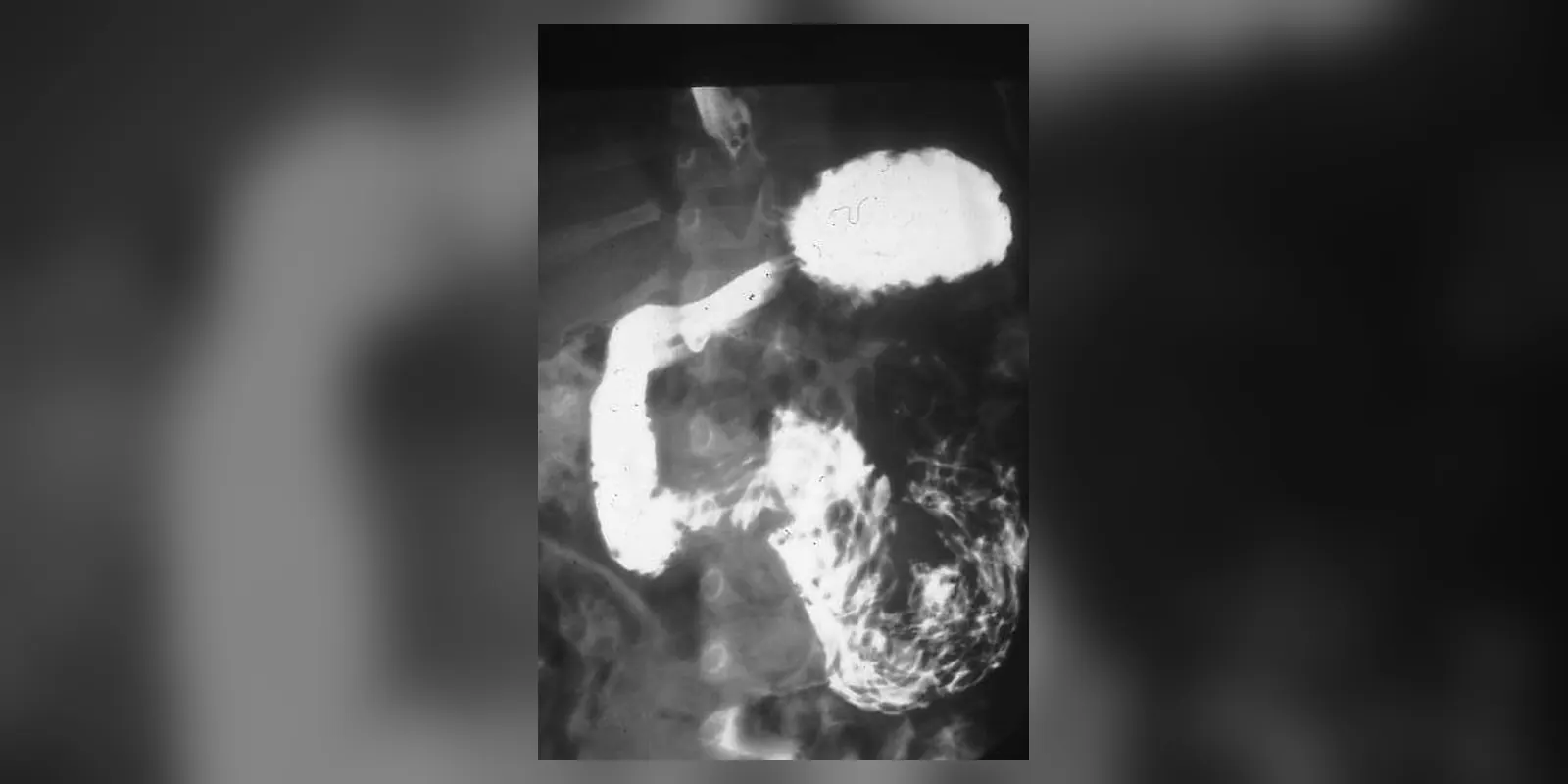
Ascariasis is an infection of the small intestine caused by Ascaris lumbricoides, a large roundworm that can grow up to 35 centimetres long. It is one of the most common worm infections in the world, affecting hundreds of millions of people, mainly in tropical and subtropical areas where sanitation is poor. Children are most often affected.
People become infected by swallowing worm eggs from soil, food, water or hands contaminated with human faeces. Most people with a few worms have no symptoms, but heavy infections can cause abdominal pain, poor growth and malnutrition in children, and sometimes serious complications such as blockage of the bowel or bile ducts. Ascariasis is easily treated with a single dose of deworming medicine, and community deworming programmes and improved sanitation reduce infection.
When to get urgent help
Seek urgent care for severe abdominal pain, repeated vomiting, a swollen abdomen or inability to pass stools, or yellow skin with fever and abdominal pain.
Causes and risk factors
- Swallowing Ascaris eggs from:
- Soil contaminated with human faeces
- Unwashed hands, especially after playing or working in soil
- Raw vegetables or fruit grown in contaminated soil or fertilised with human waste
- Contaminated water
- Risk factors: poor sanitation, open defecation, lack of clean water, warm humid climates, young age, and living in rural or crowded urban areas
How it develops (pathophysiology)
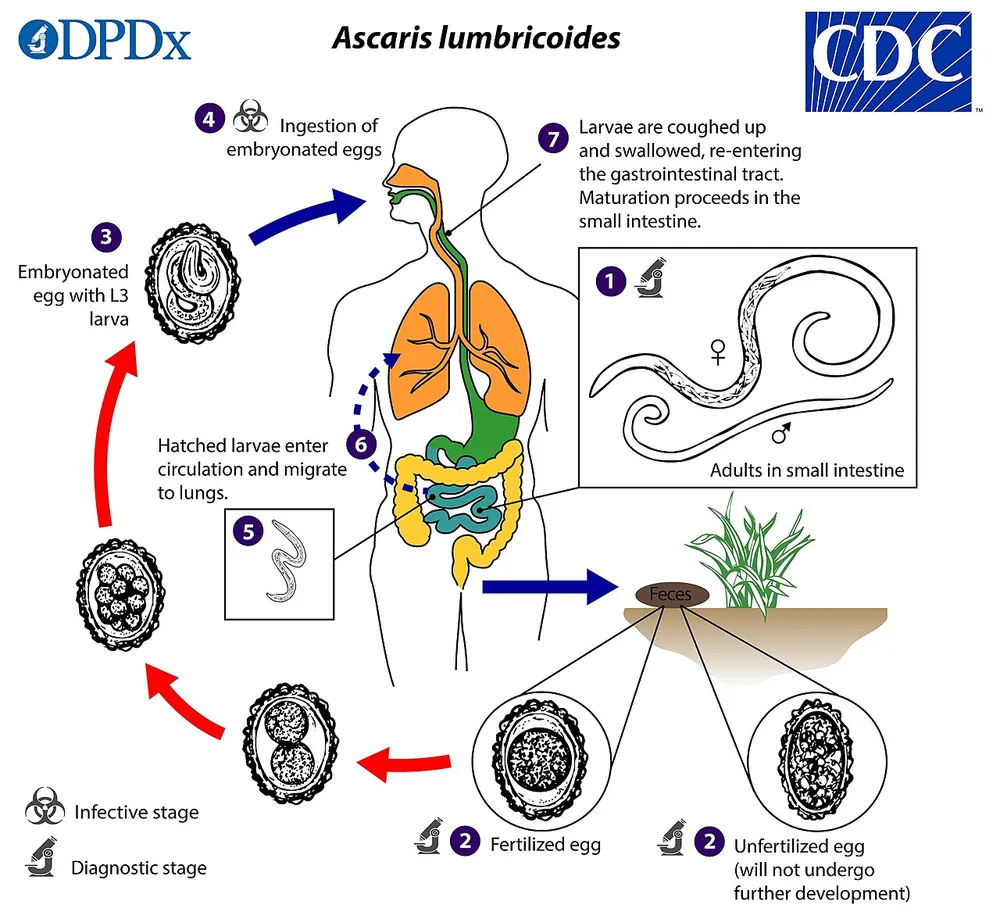
Life cycle of the worm
Ascaris lumbricoides has a complex life cycle within the human body:
- Swallowing eggs: eggs passed in faeces need two to four weeks in warm, moist soil to become infective. When swallowed, they hatch in the small intestine, releasing tiny larvae.
- Migration through the body: larvae burrow through the gut wall into blood vessels and travel to the liver and then the lungs.
- Lung stage: in the lungs, larvae break into the air sacs, grow, and move up the airways to the throat, where they are coughed up and swallowed.
- Adult worms: back in the small intestine, larvae mature into adult worms over two to three months. Adult worms live in the intestine for one to two years, feeding on intestinal contents.
- Egg production: female worms produce up to 200,000 eggs a day, which pass out in faeces and contaminate soil, continuing the cycle.
Worms do not multiply inside the body, so the number of worms depends on how many eggs are swallowed.
What goes wrong
- Lung phase (Löffler syndrome): migrating larvae cause inflammation and an allergic reaction in the lungs, with many eosinophils (a type of white blood cell), causing cough, wheeze and fever about one to two weeks after infection.
- Intestinal phase: adult worms compete for nutrients, may reduce absorption of fat, protein and vitamin A, and reduce appetite, contributing to malnutrition, poor growth and impaired learning in children.
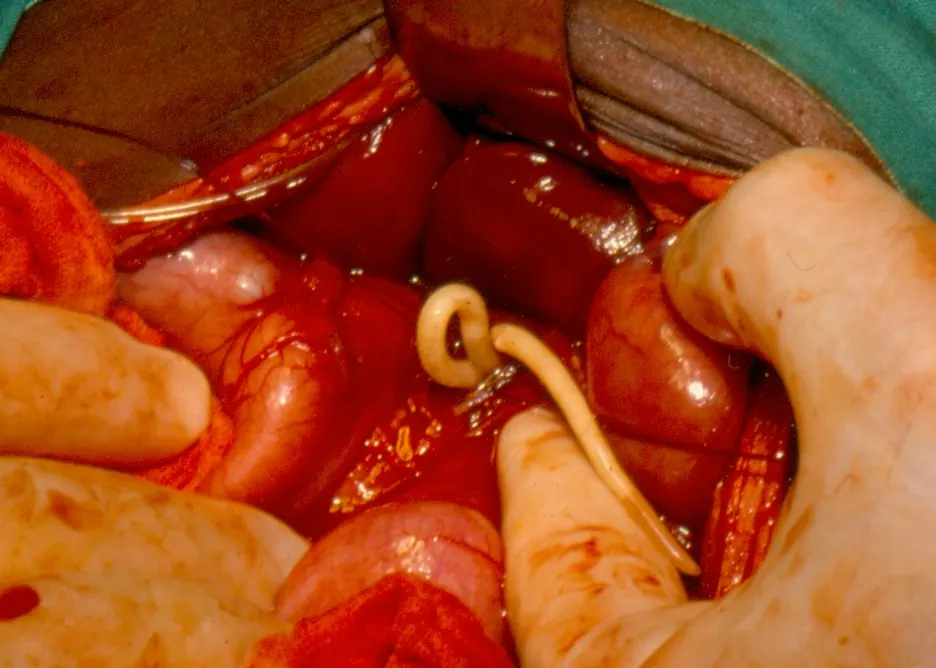
- Heavy infections: large numbers of worms can tangle together into a mass, causing bowel obstruction, especially in young children, or twisting of the bowel (volvulus).
- Migration of adult worms: worms may move into the bile ducts or pancreatic duct, causing blockage, jaundice, cholangitis or pancreatitis. This is more likely with fever or some medicines.
Why the symptoms happen
- Cough, wheeze and fever in the early phase reflect larvae in the lungs and the allergic response.
- Abdominal pain, bloating and nausea reflect worms in the intestine.
- Poor growth and tiredness result from malnutrition.
- Passing a worm in stools or vomit is due to adult worms leaving the intestine.
- Severe abdominal pain and vomiting suggest bowel obstruction.
- Jaundice and pain in the upper right abdomen suggest bile duct involvement.
How treatment acts on the mechanism
Albendazole and mebendazole block the worms' ability to take up glucose by binding to their tubulin, causing them to starve and die. Ivermectin paralyses worms. Medicines act on adult worms in the gut, so a repeat dose may be needed to treat larvae that mature later. Improved sanitation and hygiene break the cycle by preventing eggs reaching the soil and being swallowed.
Types
- Pulmonary ascariasis (larval migration phase)
- Intestinal ascariasis
- Hepatobiliary and pancreatic ascariasis
Signs and symptoms
Most people with light infections have no symptoms. When symptoms occur:
Early (lung) phase:
- Dry cough
- Wheeze or breathlessness
- Fever
- Chest discomfort
Intestinal phase:
- Abdominal pain or discomfort
- Bloating
- Nausea and vomiting
- Loss of appetite
- Diarrhoea
- Passing a worm in stools or vomit
- Poor growth, weight loss and tiredness in children
Complications:
- Severe abdominal pain, swollen abdomen and vomiting (bowel obstruction)
- Yellow skin, fever and pain under the right ribs (bile duct blockage)
How it is diagnosed
- Stool microscopy to look for eggs
- Identification of an adult worm passed in stool or vomit
- Blood tests: raised eosinophils, especially in the lung phase
- Chest X-ray in the lung phase
- Ultrasound for bile duct or bowel complications
- Abdominal X-ray or CT for bowel obstruction
Possible complications
- Malnutrition and stunted growth
- Impaired cognitive development in children
- Bowel obstruction or volvulus
- Intestinal perforation
- Bile duct blockage, cholangitis and liver abscess
- Pancreatitis
- Appendicitis (rarely)
Goals of treatment
Treatment aims to kill the worms, relieve symptoms, prevent complications, and reduce reinfection.
Medicines
- Albendazole, usually a single dose
- Mebendazole, as a single dose or a short course
- Ivermectin as an alternative
- Pyrantel pamoate in pregnancy or young children in some settings
- Treatment of complications: fluids, nasogastric decompression for bowel obstruction
Other treatments
- Surgery for bowel obstruction that does not resolve, perforation or volvulus
- Endoscopic (ERCP) removal of worms from the bile ducts
- Nutritional support for malnourished children
Living with it and prevention
- Use toilets or latrines, and avoid open defecation
- Wash hands with soap after using the toilet, before eating and after handling soil
- Wash, peel or cook fruit and vegetables
- Drink safe water
- Do not use untreated human waste as fertiliser
- School and community deworming programmes, which treat children regularly in high-risk areas
Monitoring and follow-up
Stool tests may be repeated after treatment. In endemic areas, children may receive deworming once or twice a year.
Outlook
Ascariasis is easily treated, and most people recover fully. Reinfection is common in areas with poor sanitation, so prevention and repeated treatment are important.
Special considerations
- Children: most affected; heavy infections can harm growth and learning
- Pregnancy: treatment is usually delayed until after the first trimester
- Travellers and migrants: may be diagnosed after leaving endemic areas