
Overview
Attention deficit hyperactivity disorder (ADHD) is a neurodevelopmental condition that affects how the brain manages attention, activity levels and impulses. People with ADHD may find it hard to concentrate, stay organised, sit still or wait their turn, and these difficulties affect school, work, relationships and everyday life.
ADHD usually begins in childhood and often continues into adulthood, although symptoms can change over time. It affects about 5 percent of children and 2 to 3 percent of adults worldwide. It is not caused by poor parenting or lack of effort. With understanding, support and treatment, including behavioural strategies, educational support and medicines, people with ADHD can do very well, and many have strengths such as creativity, energy and the ability to focus intensely on things that interest them.
When to get urgent help
Seek urgent help for thoughts of self-harm or suicide, severe mood changes, or symptoms such as chest pain, fainting or very fast heartbeat while taking ADHD medicine.
Causes and risk factors
- Genetics: ADHD is highly heritable, with genes accounting for about 70 to 80 percent of risk
- Premature birth and low birth weight
- Exposure during pregnancy to smoking, alcohol or some drugs
- Brain injury
- Exposure to lead and some other toxins
- Early severe deprivation or adversity
- More often diagnosed in boys, while girls are often missed or diagnosed later
How it develops (pathophysiology)
Normal brain control systems
Our ability to focus, plan, control impulses and regulate activity depends on networks in the brain, particularly:
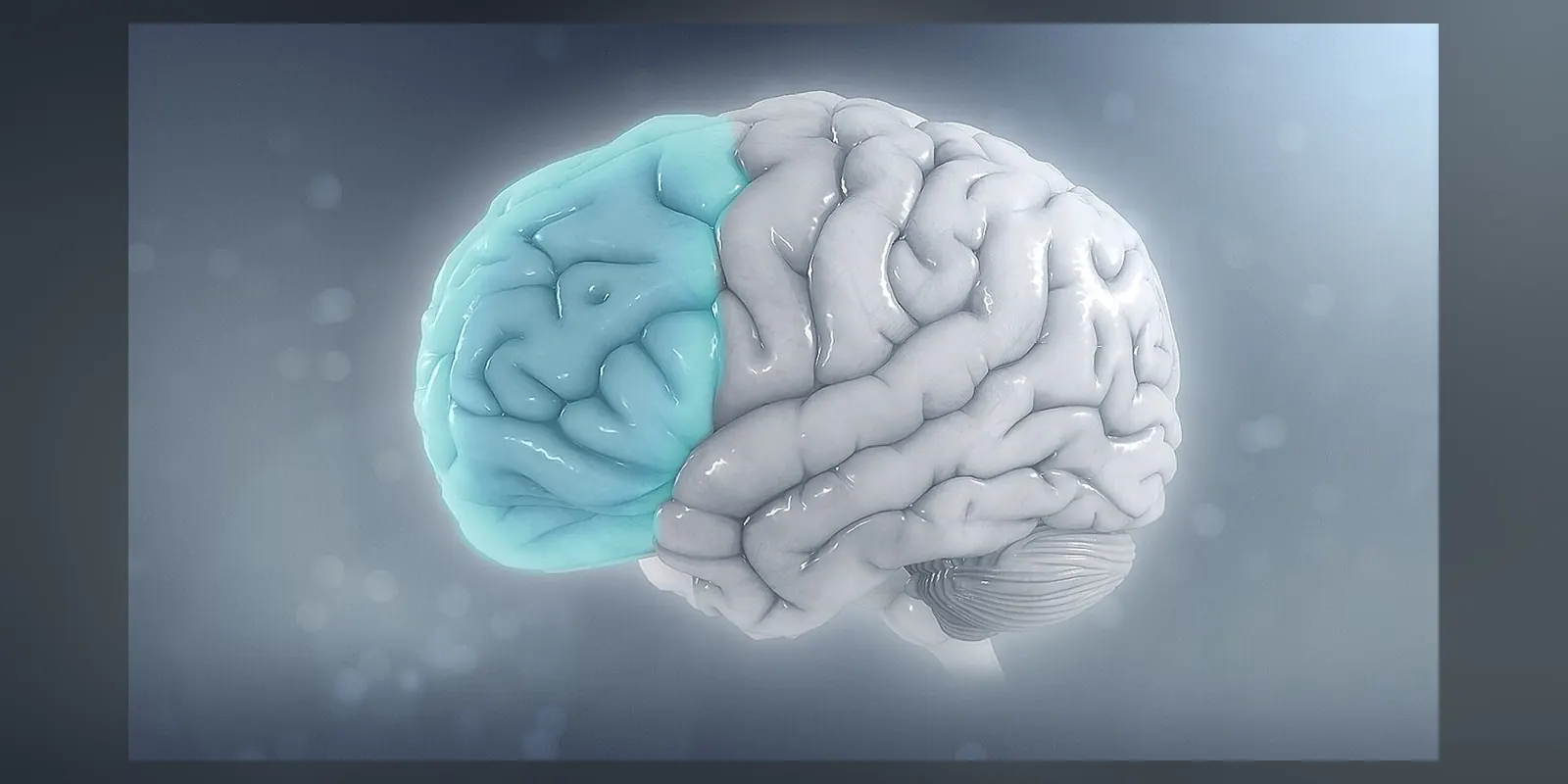
- The prefrontal cortex, which manages "executive functions" such as attention, working memory, planning and inhibiting impulses
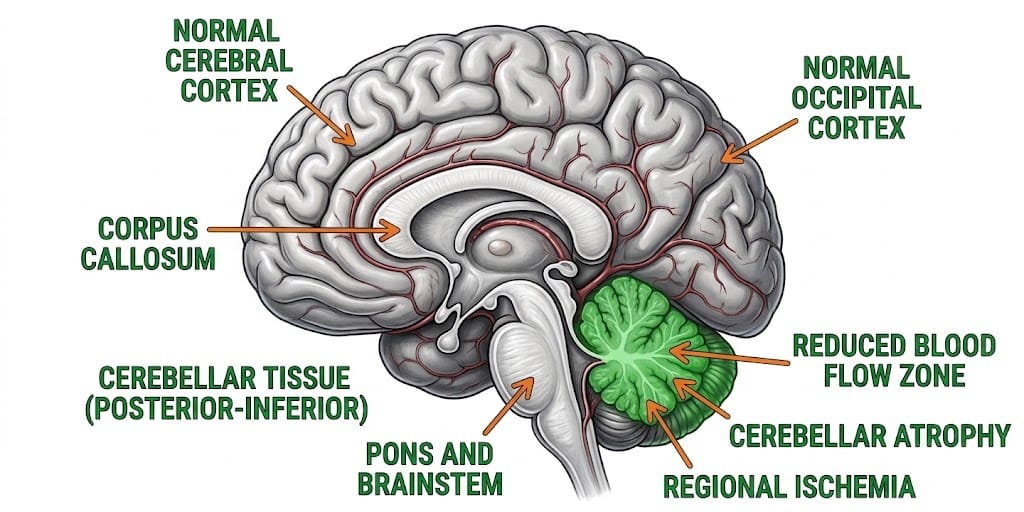
- The basal ganglia and cerebellum, which help regulate movement and timing
- Reward circuits, which motivate behaviour
These networks rely on chemical messengers, especially dopamine and noradrenaline, which strengthen useful signals and filter out distractions.
What goes wrong
ADHD involves differences in brain development and function rather than damage:
- Delayed brain maturation: imaging studies show the cortex, particularly in frontal regions, matures a few years later on average in children with ADHD.
- Network differences: connections within executive control networks are weaker, while the default mode network (active during daydreaming) does not switch off as efficiently during tasks, so the mind wanders.
- Dopamine and noradrenaline signalling: differences in how these messengers are released, taken back up and received reduce the brain's ability to sustain attention and control impulses.
- Reward processing: people with ADHD often respond more strongly to immediate rewards and find it harder to work for delayed rewards, which can make boring tasks especially difficult.
- Timing and emotional regulation: difficulties estimating time and managing frustration are common.
Why the symptoms happen
- Inattention, such as losing focus, forgetting things and making careless mistakes, reflects weaker sustained attention and working memory.
- Hyperactivity, such as fidgeting and restlessness, reflects reduced inhibition of movement.
- Impulsivity, such as interrupting or acting without thinking, reflects difficulty inhibiting responses.
- Hyperfocus on interesting activities reflects strong engagement of reward systems.
- Emotional ups and downs reflect difficulties with emotional regulation.
How treatment acts on the mechanism
Stimulant medicines (methylphenidate and amphetamines) increase dopamine and noradrenaline in the gaps between nerve cells by blocking reuptake and increasing release, strengthening attention networks. Non-stimulants such as atomoxetine block noradrenaline reuptake, and guanfacine acts on alpha-2 receptors in the prefrontal cortex. Behavioural therapy, parent training and coaching build skills and create structure that compensates for executive function difficulties.
Types
- Predominantly inattentive presentation
- Predominantly hyperactive-impulsive presentation
- Combined presentation: the most common
Signs and symptoms
Inattention:
- Difficulty staying focused on tasks or conversations
- Easily distracted
- Careless mistakes
- Forgetfulness and losing things
- Difficulty organising tasks and managing time
- Avoiding tasks needing sustained mental effort
Hyperactivity and impulsivity:
- Fidgeting or restlessness
- Difficulty sitting still
- Talking excessively
- Interrupting others
- Difficulty waiting
- Acting without thinking
In adults:
- Restlessness rather than obvious hyperactivity
- Disorganisation, procrastination, missed deadlines
- Difficulty managing money, relationships or work
How it is diagnosed
- Assessment by a specialist (paediatrician, child psychiatrist, adult psychiatrist or psychologist)
- Detailed history from the person, family and school
- Rating scales and questionnaires
- Symptoms must be present before age 12, in more than one setting, and cause significant impairment
- Assessment for other conditions, such as autism, learning difficulties, anxiety, depression, sleep problems and hearing or vision problems
Possible complications
- Difficulties at school and work
- Low self-esteem
- Relationship problems
- Accidents and injuries
- Anxiety, depression and substance misuse
- Higher risk of contact with the criminal justice system
Goals of treatment
Treatment aims to reduce symptoms, improve daily functioning at home, school and work, build self-esteem and support wellbeing.
Medicines
- Stimulants: methylphenidate (first-line in children), lisdexamfetamine (often first-line in adults)
- Non-stimulants: atomoxetine, guanfacine, clonidine
- Medicines are started at low doses and adjusted, with monitoring of side effects such as appetite loss, sleep problems, heart rate and blood pressure
Other treatments
- Parent training and education
- Behavioural strategies: routines, clear instructions, rewards
- School support: classroom adjustments, extra time, individual plans
- Cognitive behavioural therapy for adults and teenagers
- ADHD coaching
- Organisational tools: planners, alarms, reminders
- Physical activity and good sleep habits
Living with it and prevention
ADHD cannot be prevented, but living well with it is helped by:
- Regular routines
- Breaking tasks into small steps
- Regular exercise
- Good sleep
- A balanced diet
- Support groups and peer networks
- Workplace or school adjustments
Monitoring and follow-up
People on medicine are reviewed regularly to check benefits, side effects, growth (in children), heart rate and blood pressure. Treatment is reviewed at least yearly.
Outlook
ADHD often persists into adulthood, but symptoms may become less obvious. With support and treatment, most people lead successful, fulfilling lives.
Special considerations
- Girls and women: more likely to have inattentive symptoms and be diagnosed late
- Adults: may seek diagnosis after their children are diagnosed
- Pregnancy: medicine decisions should be discussed with a specialist
- People with heart conditions: need cardiac assessment before stimulants