
Overview
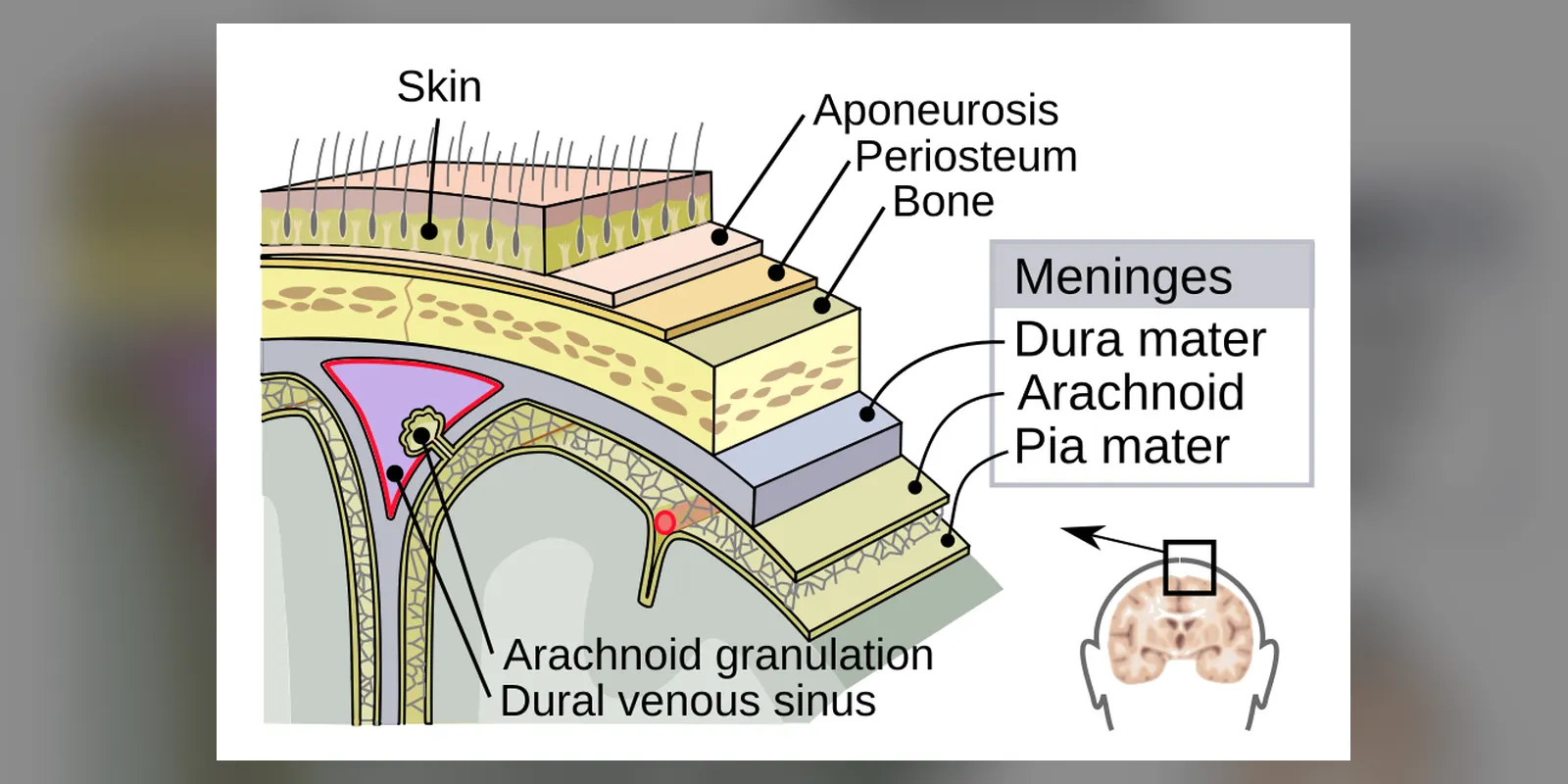
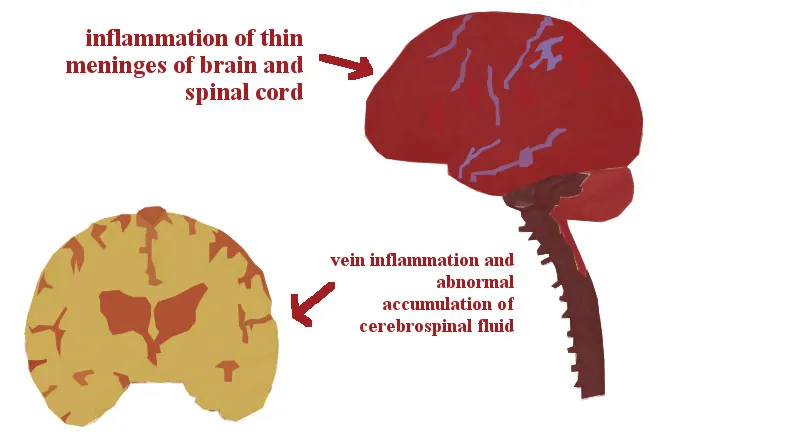
Bacterial meningitis is a serious infection of the meninges, the protective membranes that surround the brain and spinal cord. It is a medical emergency that can develop within hours and can cause death or lasting disability, such as hearing loss, brain damage or limb loss, if not treated quickly.
Typical symptoms include fever, severe headache, stiff neck, sensitivity to light, vomiting, confusion and, in meningococcal infection, a rash that does not fade under pressure. Babies may show less specific signs. Bacterial meningitis is treated with antibiotics given as soon as possible. Vaccines against the main causes have greatly reduced cases in many countries.
When to get urgent help
Call emergency services immediately for fever with severe headache, stiff neck, confusion, drowsiness, seizures or a rash that does not fade under a glass. In babies, seek help urgently for fever, floppiness, poor feeding or a bulging soft spot.
Causes and risk factors
Common bacteria vary by age:
- Newborns: Group B streptococcus, E. coli, Listeria monocytogenes
- Children and adults: Neisseria meningitidis (meningococcus), Streptococcus pneumoniae (pneumococcus), Haemophilus influenzae type b (now rare where vaccinated)
- Older adults and people with weak immunity: pneumococcus, Listeria
- Others: tuberculosis (TB meningitis), Staphylococcus after head injury or surgery
Risk factors include:
- Age (babies, teenagers, young adults and older adults)
- Not being vaccinated
- Crowded living: university halls, military barracks
- Weak immune system, no spleen
- Ear or sinus infections
- Head injury or neurosurgery, cerebrospinal fluid leaks, cochlear implants
- Travel to areas with meningitis outbreaks, such as the African meningitis belt
How it develops (pathophysiology)
Normal protection of the brain
The brain and spinal cord are surrounded by three layers of meninges and bathed in cerebrospinal fluid (CSF). The blood-brain barrier, formed by tightly sealed blood vessel walls, prevents most bacteria and immune cells from entering. CSF contains very few immune cells and little antibody or complement, so once bacteria get in, they can multiply rapidly.
What goes wrong
- Colonisation: bacteria often live harmlessly in the nose and throat.
- Invasion: in some people, bacteria cross the lining of the nose or throat into the bloodstream. Factors such as a protective polysaccharide capsule help them avoid immune destruction.
- Crossing into the CSF: bacteria cross the blood-brain barrier, often at the choroid plexus or small vessels of the meninges.
- Rapid multiplication: with few defences in the CSF, bacteria multiply quickly.
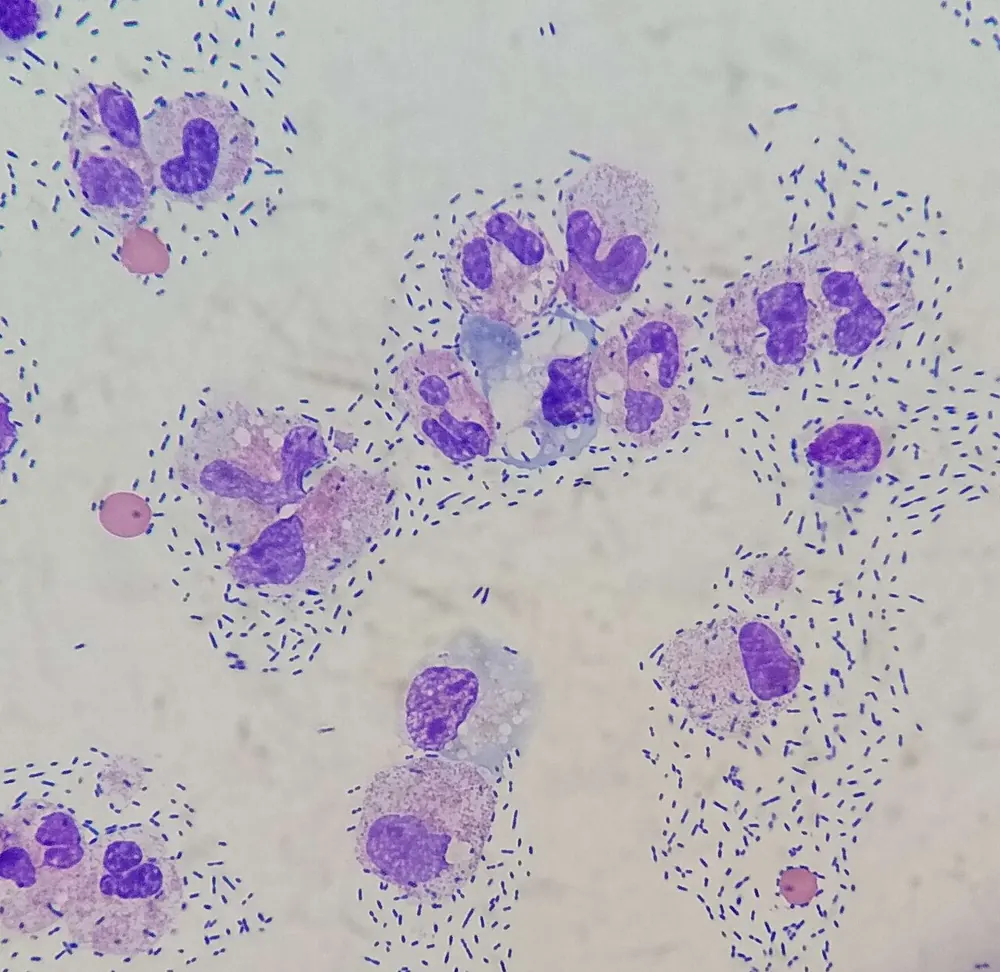
- Inflammation: bacterial components (cell wall fragments, endotoxin) trigger the release of cytokines such as TNF-alpha, IL-1 and IL-6. Neutrophils flood into the CSF.
- Brain injury: inflammation makes the blood-brain barrier leaky, causing brain swelling (cerebral oedema), raised intracranial pressure, reduced blood flow, blood vessel inflammation and clots, and damage to nerve cells. Inflammation around the inner ear and nerves can cause hearing loss.
- Septicaemia: especially with meningococcus, bacteria in the blood cause widespread blood vessel damage, clotting abnormalities and shock, leading to the characteristic rash and tissue death in fingers and toes.
Why the symptoms happen
- Headache results from inflamed meninges and raised pressure.
- Stiff neck occurs because bending the neck stretches inflamed meninges.
- Sensitivity to light reflects meningeal irritation.
- Fever reflects infection.
- Vomiting and confusion reflect raised intracranial pressure and brain dysfunction.
- Seizures result from brain irritation.
- Rash that does not fade under pressure (petechiae or purpura) reflects bleeding into the skin from damaged blood vessels and low platelets in meningococcal septicaemia.
- Cold hands and feet and mottled skin reflect shock.
How treatment acts on the mechanism
Antibiotics such as ceftriaxone or cefotaxime kill bacteria in the CSF; they must be given early. Dexamethasone, a steroid, given with or before antibiotics, reduces inflammation and lowers the risk of hearing loss and neurological damage, particularly in pneumococcal meningitis. Supportive care manages raised pressure, seizures and shock. Vaccines prevent infection by training the immune system to recognise bacterial capsules.
Types
- Meningococcal meningitis (with or without septicaemia)
- Pneumococcal meningitis
- Haemophilus influenzae meningitis
- Neonatal meningitis
- Listeria meningitis
- Tuberculous meningitis
Signs and symptoms
- Fever
- Severe headache
- Stiff neck
- Dislike of bright lights
- Vomiting
- Confusion, drowsiness or difficulty waking
- Seizures
- A rash that does not fade when pressed with a glass (in meningococcal disease)
- Cold hands and feet, pale or mottled skin
- Muscle and joint pain
In babies:
- Fever or low temperature
- Poor feeding, vomiting
- Unusual crying, irritability or floppiness
- Bulging soft spot on the head
- Drowsiness or difficulty waking
- Rash
How it is diagnosed
- Immediate assessment and treatment if meningitis is suspected; antibiotics should not be delayed for tests
- Blood cultures and blood tests, including PCR for meningococcus and pneumococcus
- Lumbar puncture: tests CSF for white cells, protein, glucose, bacteria and PCR
- CT scan before lumbar puncture in some cases, such as with reduced consciousness or seizures
Possible complications
- Hearing loss
- Brain damage, learning difficulties, memory problems
- Epilepsy
- Hydrocephalus
- Stroke
- Limb amputations and skin scarring after meningococcal septicaemia
- Kidney damage
- Death
Goals of treatment
Treatment aims to kill the bacteria quickly, reduce inflammation, support the body through severe illness, prevent complications and protect close contacts.
Medicines
- Intravenous antibiotics, such as ceftriaxone or cefotaxime, with amoxicillin added for Listeria in older adults and newborns
- Dexamethasone in adults and children over three months with suspected bacterial meningitis
- Antibiotic prophylaxis (such as ciprofloxacin or rifampicin) for close contacts of meningococcal disease
Other treatments
- Emergency hospital care, often in intensive care
- Fluids and blood pressure support
- Oxygen and breathing support
- Seizure control
- Hearing tests after recovery
- Rehabilitation for long-term effects
Living with it and prevention
- Vaccination: MenB, MenACWY, pneumococcal and Hib vaccines as part of national programmes, and MenACWY for teenagers, students and travellers
- Antibiotics for close contacts of meningococcal cases
- Screening and antibiotics during labour for mothers carrying group B streptococcus
- Pregnant women avoiding foods linked to Listeria
Monitoring and follow-up
After recovery, children and adults should have hearing tests and follow-up for neurological, developmental or emotional effects.
Outlook
With prompt treatment, most people survive, but a significant proportion have lasting effects. Delays in treatment greatly increase the risk of death and disability.
Special considerations
- Babies: symptoms may be non-specific; any unwell baby with fever needs urgent assessment
- Students and young people: higher risk of meningococcal disease; vaccination is recommended
- Older adults: may present mainly with confusion
- Travellers to the meningitis belt and Hajj pilgrims: vaccination is recommended or required