

Posted 11 months ago 1791 views 8 mins read
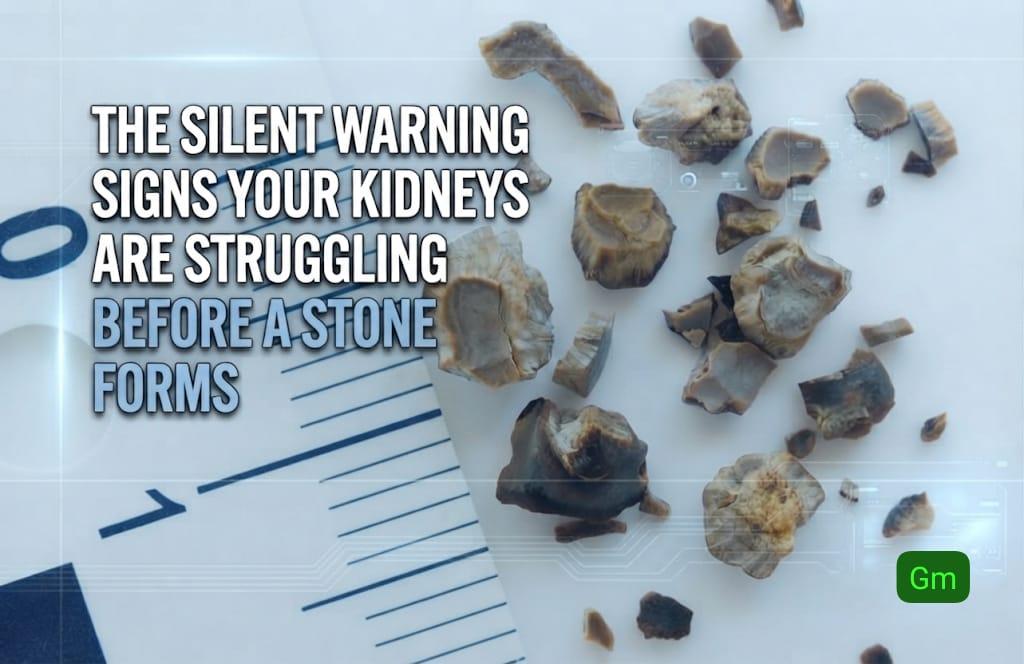
Here's a shocking reality: 90% of kidney function can be lost before you even notice symptoms. That's not a type your kidneys can be silently failing while you go about your daily routine, completely unaware that a health crisis is brewing beneath the surface. Most of us only think about our kidneys when the excruciating pain of a kidney stone hits. But what if I told you that your body has been sending you subtle warning signals long before that first stone ever forms? As someone who has spent years studying kidney health and patient outcomes, I've witnessed countless cases where early intervention could have prevented significant complications. The truth is, kidney stones aren't just random events that strike without warning. They're often the end result of a cascade of kidney function changes that your body has been desperately trying to communicate through whisper-quiet symptoms. Today, I want to share the critical early warning signs that most people miss and the actionable steps you can take to protect your kidney health before it's too late.
Before we dive into the warning signs, let's get one thing straight. Kidney stones don't just materialize overnight like some cruel magic trick.
Stone formation is a complex process that begins when your urine becomes supersaturated with crystal-forming substances like calcium oxalate, calcium phosphate, or uric acid Mayo Clinic. Think of it like adding sugar to your coffee keep stirring in more sugar, and eventually, crystals will start forming at the bottom of your cup.
But here's what most people don't realize: the conditions that lead to stone formation often indicate broader kidney function issues that have been developing silently for months or even years.

Warning Sign 1: The Foamy Urine You're Probably Ignoring
Let me ask you something. When was the last time you actually looked at your urine? I know it sounds odd, but your urine is one of the most accessible windows into your kidney health.
Foamy or bubbly urine that looks like scrambled egg whites is often the first sign that protein is leaking into your urine a condition called proteinuria National Kidney Foundation. This isn't just aesthetic; it's a red flag that your kidney's filtration system is compromised.
Here's why this matters for stone formation: When your kidneys aren't filtering properly, they can't maintain the delicate balance of minerals in your urine. This imbalance creates the perfect environment for crystals to form and grow into stones.
What to do: If you notice persistent foamy urine, don't wait. Schedule an appointment with your healthcare provider for a simple urine test. Early detection of proteinuria can prevent both kidney stones and more serious kidney damage.
Your bathroom habits might seem mundane, but they're actually providing crucial intelligence about your kidney health. Three specific changes should grab your attention:
Increased nighttime urination (nocturia): Waking up more than once per night to urinate can indicate that your kidneys are struggling to concentrate urine properly. When kidney function declines, you produce more dilute urine, requiring more frequent trips to the bathroom.
Changes in urine color: Healthy urine should be pale yellow. Dark amber, pink, or cloudy urine can signal concentrated urine (dehydration), blood, or infection all risk factors for stone formation.
Persistent urinary urgency: That constant feeling that you need to urinate, even when your bladder isn't full, can indicate irritation in your urinary tract or early kidney dysfunction.
Action step: Keep a simple bathroom diary for one week. Note the frequency, color, and any unusual characteristics of your urine. Patterns will emerge that you might otherwise miss.

We live in a tired society. Between work stress, poor sleep, and constant digital stimulation, it's easy to dismiss persistent fatigue as just another part of modern life.
But here's what you need to know: unexplained fatigue is one of the earliest signs of declining kidney function National Kidney Foundation. When your kidneys can't effectively filter toxins and waste products, these substances build up in your blood, leaving you feeling chronically drained.
Additionally, kidney dysfunction can lead to anemia a condition where your body doesn't produce enough healthy red blood cells to carry adequate oxygen to your tissues. The result? That bone-deep tiredness that sleep doesn't seem to fix.
The stone connection: Chronic dehydration, often a contributor to fatigue, is also a major risk factor for kidney stone formation. When you're not drinking enough fluids, your urine becomes concentrated, making it easier for minerals to crystallize.
Take action: If you're experiencing persistent fatigue despite adequate sleep and nutrition, don't just reach for another cup of coffee. Consider having your kidney function evaluated through simple blood tests measuring creatinine and estimated glomerular filtration rate (eGFR).
Morning puffiness around your eyes that you've been attributing to "getting older" or "too much salt last night" might actually be an early warning sign of kidney trouble.
When your kidneys can't effectively remove excess fluid and sodium from your body, it accumulates in your tissues. This often shows up first as subtle swelling around the eyes (because the skin there is thin and gravity hasn't had all night to pull fluid downward) and later as swollen ankles and feet.
Why this matters for stones: Fluid retention often indicates that your kidneys are struggling to maintain proper mineral and electrolyte balance.the same imbalance that promotes stone formation.
What to watch for: Take a photo of yourself first thing in the morning once a week for a month. Look for changes in facial puffiness or ankle swelling. If you notice persistent swelling, especially if it's accompanied by any of the other warning signs we've discussed, it's time for a kidney function evaluation.

Now that you understand the warning signs, let's talk about what you can do to protect your kidney health and prevent stone formation:
Hydration Strategy That Actually Works
Forget the generic "8 glasses a day" advice. Your hydration needs are individual. Aim to produce about 2.5 liters of pale yellow urine daily. This might require 3-4 liters of fluid intake, depending on your size, activity level, and climate.
Pro tip: Start each day with a large glass of water and set reminders to drink throughout the day. Your kidneys process fluids better when intake is spread out rather than chugged all at once.
The Mineral Balance Game
Contrary to popular belief, cutting calcium from your diet can actually increase your risk of calcium oxalate stones the most common type. Instead, focus on:
•Reducing sodium: High sodium intake forces your kidneys to excrete more calcium, increasing stone risk
•Moderating oxalate-rich foods: Spinach, nuts, chocolate, and tea are high in oxalates, but you don't need to eliminate them just don't overdo it
•Increasing citrate: Found in citrus fruits, citrate binds with calcium in urine, preventing stone formation
Monitor Your Body's Signals
Create a simple health tracking system:
•Weekly weight checks (sudden gains might indicate fluid retention)
•Monthly "mirror checks" for facial or ankle swelling
•Pay attention to energy levels and sleep quality
•Note any changes in urination patterns
Your kidneys are remarkably resilient organs, but they're not invincible. The warning signs we've discussed foamy urine, changes in urination patterns, unexplained fatigue, and subtle swelling aren't just inconveniences to ignore. They're your body's early warning system, alerting you to problems while there's still time to intervene.
Leading the way in health excellence through innovation, expertise, care and support.