

Posted 10 months ago 1656 views 10 mins read
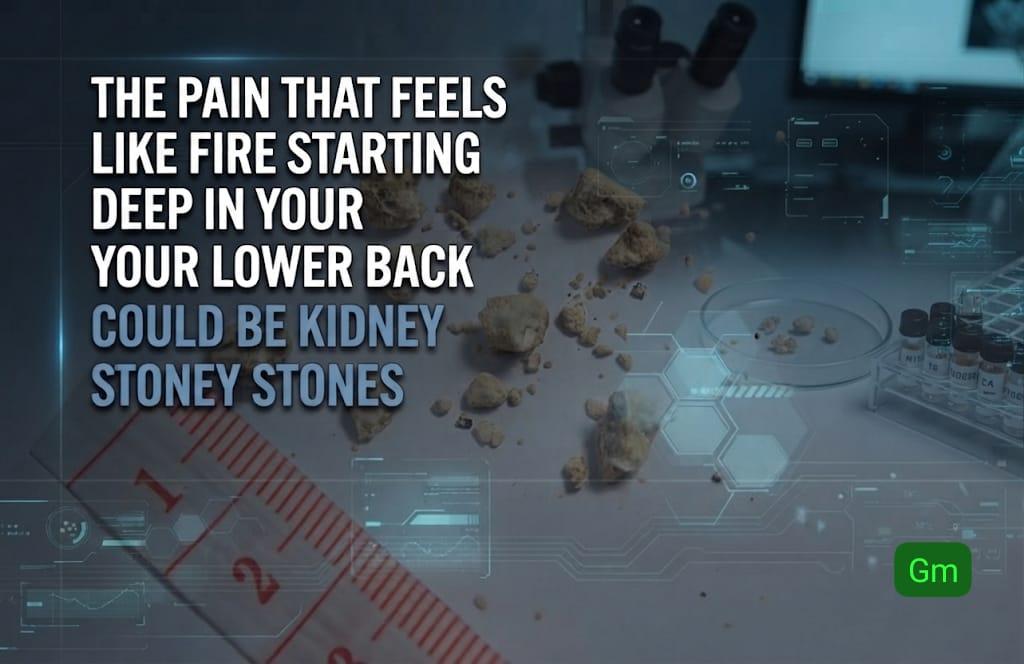
One in eight people will experience a kidney stone at some point in their lives and those who've had one describe it as pain so intense it rivals childbirth. I'm not exaggerating. This isn't your typical backache or muscle strain. We're talking about a sensation that feels like someone is driving a hot poker through your side while twisting it. Hard. And the worst part? That excruciating pain might be just the beginning of your journey with kidney stones. Let me tell you something important: if you're reading this because you've felt that distinctive, radiating pain from your back to your groin, you're not alone. Recent research shows that the lifetime prevalence of renal colic That's the medical term for kidney stone pain affects a staggering 43% of adults at some point. Yes, you read that right. Nearly half of us will experience these symptoms! Nature
Kidney stones aren't some mysterious affliction that strikes randomly. They form through a fairly straightforward albeit uncomfortable process. When your urine contains more crystal-forming substances than the fluid in your urine can dilute, these minerals stick together. Think of it like making rock candy, except this is happening inside your kidneys, and trust me, it's anything but sweet.
The culprits? Calcium oxalate, calcium phosphate, and uric acid are the main players. When your urine lacks substances that prevent these crystals from bonding, you've got the perfect storm for stone formation.

Here's where it gets personal. Dehydration is the single biggest risk factor for kidney stone formation. I've seen countless patients who work in high-temperature environments or simply don't drink enough water throughout their day. Studies have shown that workplace exposure to high temperatures nearly doubles your risk of developing kidney stones. Nearly doubles! Nature
And it's not just about how much water you're drinking though that's crucial. Your diet plays an enormous role. That high-sodium takeout youpain've been ordering three times a week? It's forcing your kidneys to filter excessive calcium, dramatically increasing your stone risk. Too much animal protein, refined sugars, and foods high in oxalates (yes, I'm looking at you, spinach smoothie enthusiasts) all contribute to the problem.
Let's talk about renal colic the pain that brings grown adults to their knees. This isn't your garden-variety discomfort. The pain typically starts at the costovertebral angle (that's the area where your lower ribs meet your spine) and radiates down toward your lower abdomen and groin. It comes in waves, often described as sharp, stabbing sensations that vary in intensity.

Patients tell me it's pain unlike anything they've experienced. One moment you might be managing, and the next, you can't find any position that brings relief. You might notice blood in your urine pink, red, or brown. You could feel a constant need to urinate but only pass small amounts. Nausea and vomiting are common companions to this nightmare.
Here's something that might surprise you: only about one-quarter of people who experience renal colic symptoms actually receive a diagnosis of kidney stones. Why? Because these symptoms can mimic other conditions musculoskeletal pain, gastrointestinal issues, even gynecological problems. This is why proper diagnosis is absolutely critical. Nature
If you're experiencing severe pain in your side or back, especially if it's accompanied by blood in your urine, fever, chills, or persistent vomiting get to a healthcare provider immediately. This is not the time to "tough it out" or wait until Monday morning.
For smaller stones (typically less than 5mm), the treatment approach is often conservative: pain management, increased fluid intake, and patience. Your body can pass small stones naturally when you urinate. Your healthcare provider might prescribe an alpha-blocker medication, which helps relax the muscles in your ureter, making it easier for the stone to pass.
Larger stones require intervention. Options include extracorporeal shock wave lithotripsy (using sound waves to break up stones), ureteroscopy (using a scope to remove stones), or in rare cases, surgery. The good news? Modern medical technology has made these procedures relatively straightforward with quick recovery times.
Here's my professional advice based on years of treating kidney stone patients: prevention beats treatment every single time. And prevention starts with hydration. Aim for at least 2 liters of urine output daily that typically means drinking 2.5 to 3 liters of water throughout the day. If your urine is light and clear, you're on the right track.
Reduce your sodium intake to less than 2,000mg daily. That means reading labels and cooking at home more often. Limit animal protein to a palm-sized portion per day. And contrary to popular belief, don't cut calcium from your diet! Dietary calcium actually helps prevent certain types of stones. It's calcium supplements you need to be cautious about always take them with meals if prescribed.
If you work in hot environments, you need to be extra vigilant. Drink water before you're thirsty. Make it a habit, not an afterthought.
Read also : The Silent Warning Signs Your Kidneys Are Struggling Before a Stone Forms
For those who've already had a stone, get it analyzed. Knowing what type of stone you had allows for targeted prevention strategies. Your healthcare provider might prescribe medications like potassium citrate or thiazide diuretics to reduce recurrence rates.
That burning, radiating pain in your lower back might indeed be kidney stones, and it's nothing to ignore. The good news is that we understand these conditions better than ever before, and we have effective treatments and prevention strategies at our disposal.
The key is action. Stay hydrated. Watch your diet. Know the warning signs. And if you experience that distinctive pain, don't wait seek medical attention. Your kidneys, and your quality of life, will thank you.
Leading the way in health excellence through innovation, expertise, care and support.