

Posted 1 year ago 1307 views 5 mins read
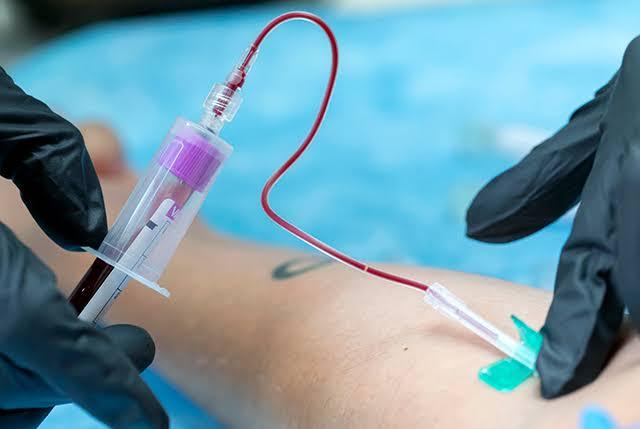
Imagine this: a single test that can help identify everything from anemia to infections—and even provide clues about your immune system or risk for chronic diseases. That’s exactly what the Complete Blood Count (CBC) can do. In fact, it’s one of the most commonly ordered tests, offering an insightful snapshot of your health with just a small blood sample. But how much do you really know about what it measures and why it matters? Let's break it down. You’ll see just how much a CBC can reveal about your body’s inner workings, and why you should take it seriously!

At its core, a CBC measures the number and quality of your blood cells: red blood cells (RBC), white blood cells (WBC), platelets, and hemoglobin. These components play a pivotal role in everything from carrying oxygen to fighting infections. A CBC gives your doctor a clear window into your overall health, helping catch problems early when they're easier to treat.
A CBC isn’t a one-size-fits-all test. It provides insight into your immune function, blood clotting ability, and oxygen delivery. From here, your doctor can dive deeper into understanding what might be going on in your body. So, let’s take a closer look at what a CBC measures and how it can guide your healthcare decisions.

1.Red Blood Cells (RBCs)
RBCs are the workers of your blood, responsible for carrying oxygen to your tissues and organs. Low RBC counts can signal anemia—a condition that leaves you feeling tired, weak, and dizzy. On the flip side, an elevated RBC count can indicate dehydration or, in rare cases, a more serious condition like polycythemia. Either way, understanding your RBC count can give clues about your energy levels and overall health.
2.White Blood Cells (WBCs)
These cells are the body's defense team, tasked with fighting infections and keeping your immune system strong. A higher-than-normal WBC count could mean your body is battling an infection, inflammation, or even something more severe like leukemia. If your WBC count is too low, it could suggest a weakened immune system, leaving you more vulnerable to infections.
3.Platelets
Platelets are the small, sticky cells that help your blood clot. If you cut yourself, for instance, they rush to the site of injury, forming a clot to stop the bleeding. Too few platelets and you may bleed excessively; too many, and you’re at risk for developing harmful blood clots. A platelet count outside the normal range is a red flag that requires attention. 4.Hemoglobin Hemoglobin is the protein in RBCs that binds with oxygen. If your hemoglobin is low, it’s another sign of anemia. Without enough hemoglobin, your blood cannot deliver enough oxygen to your organs, leaving you fatigued and weak. Monitoring hemoglobin levels is vital to ensuring your body is getting the oxygen it needs to function properly. 5.Hematocrit Hematocrit is the percentage of your blood that is made up of red blood cells. Low hematocrit levels are usually another indication of anemia, while high levels could be a sign of dehydration or a disorder related to your bone marrow.

It’s simple—early detection is powerful. A CBC can reveal a host of conditions in their early stages, sometimes before you even experience symptoms. Whether it’s spotting a potential infection, tracking a chronic condition, or even identifying blood disorders, the CBC is a go-to tool for detecting issues that might otherwise go unnoticed.
The beauty of a CBC is that it’s not just useful for diagnosing conditions—it’s also an essential tool for monitoring ongoing health. If you’ve been diagnosed with a chronic condition, such as diabetes, anemia, or autoimmune disorders, regular CBCs can help your doctor track your treatment’s effectiveness. You’ll also gain peace of mind knowing that your doctor has an up-to-date picture of your health.

Let’s face it—no one likes to get a “bad” result back from a blood test. But here’s the thing: abnormal CBC results don’t automatically mean something serious is wrong. Sometimes, they reflect minor conditions like dehydration, an infection, or even stress. Other times, they may point to more significant health issues. Here’s a quick breakdown of what abnormal results could indicate:
• Low RBC, Hemoglobin, or Hematocrit: Often suggest anemia, which could be due to iron deficiency, chronic disease, or blood loss.
• High RBC or Hematocrit: Could signal dehydration, heart disease, or lung disease. Your body may be compensating for a lack of oxygen.
• High WBC: This can indicate infection, inflammation, or, in rare cases, blood cancers.
• Low WBC: Can point to issues like bone marrow problems, viral infections, or a weakened immune system.
• High Platelets: May indicate an increased risk of blood clotting, potentially leading to strokes or heart attacks.
• Low Platelets: Can lead to difficulty in blood clotting and excessive bleeding.
If your results fall outside the normal range, your healthcare provider will likely recommend further testing to pinpoint the cause and decide on the best course of action.

For most people, a CBC is part of a routine checkup—typically once a year. However, if you have specific health concerns or are monitoring a chronic condition, your doctor might suggest getting a CBC more frequently. It’s always a good idea to stay on top of your health, and a simple test like this can make a big difference in the long run.
A Complete Blood Count (CBC) may seem like just another routine test, but it’s one of the most effective ways to assess your overall health and catch potential issues early. From monitoring your immune system to ensuring your body’s cells are functioning properly, the CBC gives you and your doctor essential information to stay ahead of health challenges.
Leading the way in health excellence through innovation, expertise, care and support.