

Posted 1 year ago 1950 views 4 mins read
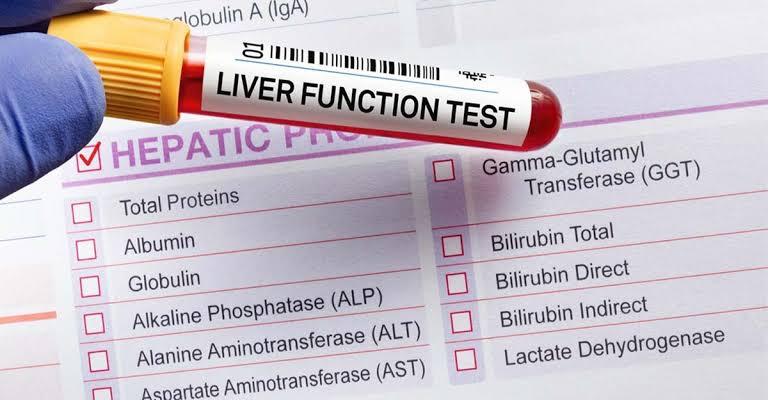
The liver is the body’s detox powerhouse, processing everything from food and drink to medications and toxins. But how do you know if it's working as it should? Enter liver function tests (LFTs). These simple blood tests give healthcare providers a window into your liver’s health, detecting issues before they cause serious damage. Whether you’re managing a chronic condition or just doing a routine check-up, LFTs are a crucial step in staying on top of your well-being. Let’s dive in and explore why LFTs are more important than you might think!

Liver function tests are a group of blood tests that evaluate the state of your liver by measuring the levels of enzymes, proteins, and substances like bilirubin. Each of these factors provides critical clues about how well your liver is performing its duties. Whether you’ve been feeling fatigued, jaundiced, or just want to check your liver health, LFTs are often the first step toward understanding your liver's condition.
The liver processes a staggering amount of substances daily—it's responsible for detoxifying your body, producing proteins, and even helping in digestion. So when something goes wrong, it’s not always obvious right away. LFTs help to catch potential issues early, providing a clear picture of what might be happening under the surface.

Let’s break down what LFTs measure and why each of these components matters:
AST (Aspartate Aminotransferase) and ALT (Alanine Aminotransferase) are enzymes found primarily in the liver. When liver cells are damaged or inflamed, these enzymes leak into the bloodstream, causing their levels to rise. Elevated AST or ALT levels often signal liver problems such as hepatitis or fatty liver disease.
The key takeaway: High enzyme levels indicate inflammation or damage to the liver.
Bilirubin is a substance produced when the liver breaks down old red blood cells. Normally, the liver processes and removes bilirubin from the bloodstream. However, when the liver is overwhelmed or compromised, it may not be able to handle the load, causing bilirubin levels to rise in the blood.
High levels can lead to jaundice, a yellowing of the skin or eyes, and often indicate issues like liver dysfunction, bile duct obstruction, or hemolysis (destruction of red blood cells).
Albumin is a protein that the liver makes to help maintain the body's fluid balance and carry important nutrients. When liver function declines, the production of albumin can decrease. A lower than normal level of albumin can signal chronic liver disease or cirrhosis.
Total protein tests measure all proteins in the blood, including albumin. A decrease in total protein levels may point to liver disease, malnutrition, or kidney disease.
So, why should you get liver function tests? The answer is simple: Prevention and early detection. Liver diseases, such as cirrhosis, hepatitis, and fatty liver disease, may not show symptoms until the liver is severely damaged. But with LFTs, you can identify potential issues long before they progress to something more serious.
Here are some common reasons for LFTs:
• Risk factors for liver disease: Heavy alcohol use, obesity, diabetes, or a family history of liver problems.
• Unexplained symptoms: Feeling unusually fatigued, experiencing yellowing skin or eyes (jaundice), or having unexplained abdominal pain.
• Monitoring chronic conditions: People with conditions like hepatitis or fatty liver disease may undergo regular LFTs to track liver health and disease progression.

If your liver function tests come back with abnormal results, don’t panic! It’s important to understand that elevated liver enzymes or abnormal bilirubin levels don’t automatically mean you have a serious condition. Abnormal results may be caused by a variety of factors, including medications, infections, or temporary liver strain.
However, abnormal results should be taken seriously, as they can also signal the need for further testing or lifestyle changes. Depending on the severity of the abnormal results, your doctor may recommend additional tests, such as a liver ultrasound, CT scan, or even a liver biopsy.
If your liver function is compromised, lifestyle changes like cutting back on alcohol, improving your diet, and maintaining a healthy weight can make a significant difference in supporting liver recovery.
Your liver is an unsung hero in the body. It works tirelessly to detoxify your system, process nutrients, and even aid in digestion. Liver function tests are one of the best ways to monitor its health, catch potential issues early, and protect it from further damage.
Leading the way in health excellence through innovation, expertise, care and support.