

Posted 1 year ago 1542 views 6 mins read
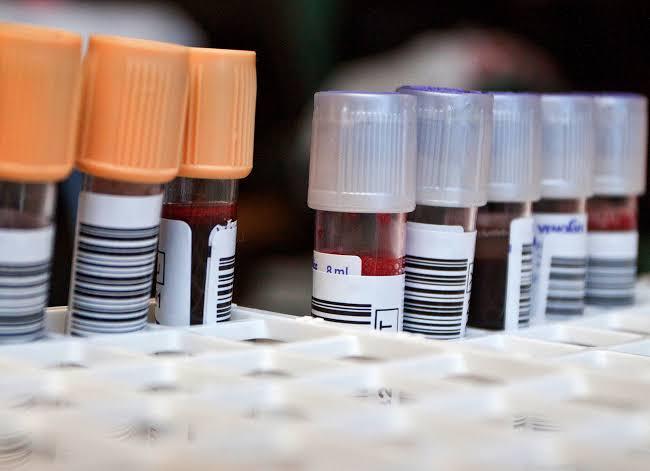
Your blood holds secrets. A Basic Metabolic Panel (BMP) can unlock them. This simple blood test checks electrolytes, kidney function, and blood sugar levels—things your body relies on every second. It’s a routine test, but the insights it provides are far from ordinary. Imagine this: You feel fatigued, dizzy, or just "off." Your doctor orders a BMP. The results could reveal dehydration, diabetes, kidney issues, or an electrolyte imbalance—problems that, if caught early, can be managed before they turn serious.

A BMP includes eight essential markers, each providing a different piece of the health puzzle:
A BMP is more than just numbers on a lab report—it’s a roadmap to understanding your body's internal balance. Here’s why it matters:
1. It Can Detect Kidney Problems Early
Your kidneys filter waste and maintain fluid balance. High BUN and creatinine levels could indicate kidney disease before symptoms even appear.
2. It Helps Manage Diabetes
Glucose levels in a BMP can reveal undiagnosed diabetes or poorly controlled blood sugar, helping guide treatment before complications arise.
3. It Identifies Dangerous Electrolyte Imbalances
Ever felt weak, dizzy, or had irregular heartbeats? Too much or too little potassium or sodium can be life-threatening. A BMP helps catch these imbalances early.
4. It Assesses Hydration and Acid-Base Balance
If you’re dehydrated, sodium and BUN levels will likely be high. If your blood’s pH is off, abnormal CO2 levels may point to respiratory or metabolic conditions.
Who Needs a BMP?
• Routine check-ups to monitor general health
• Hospitalized patients to track electrolyte balance and organ function
• Diabetes or kidney disease management
• Unexplained symptoms like weakness, confusion, or irregular heartbeats
• Medication monitoring, especially for diuretics and blood pressure drugs

An abnormal BMP doesn’t always mean disease. Sometimes, factors like diet, hydration, or medications can affect results. But if something is off, your doctor may recommend:
A Basic Metabolic Panel is a powerful tool that offers insight into your kidney health, blood sugar, and electrolyte balance. Whether you’re checking for diabetes, dehydration, or kidney disease, this test can catch problems early—sometimes before symptoms even start.
Leading the way in health excellence through innovation, expertise, care and support.