

Posted 1 year ago 1372 views 4 mins read
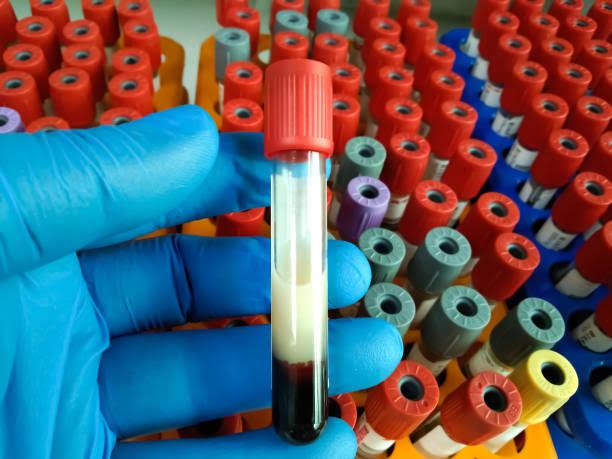
Heart disease is the leading cause of death worldwide. But here’s the good news—nearly 80% of heart disease cases are preventable with the right lifestyle changes. One of the simplest, most effective ways to assess your risk? A lipid panel. This isn’t just another routine test. Your cholesterol numbers tell a story. They reveal whether your arteries are on the path to health—or heading toward trouble. And yet, so many people get their results, glance at the numbers, and move on. Big mistake. Understanding your lipid panel could be the difference between early intervention and a life-altering cardiac event. Let’s break it down—clearly, practically, and without the fluff.

A lipid panel (also called a cholesterol test) measures the fats in your blood. These fats play a crucial role in your body, but too much of the wrong kind can clog arteries and increase your risk of heart disease and stroke.
The test is simple. A quick blood draw, usually after 9–12 hours of fasting, and you get a detailed look at your cholesterol and triglyceride levels. But knowing your numbers isn’t enough—you need to understand what they mean.

Your lipid panel includes four main components:
This is the sum of all the cholesterol in your blood. Ideal level: Below 200 mg/dL.
High total cholesterol doesn’t always mean trouble. You need to dig deeper into the LDL and HDL numbers to see the full picture.
Low-Density Lipoprotein (LDL) is the type of cholesterol that builds up in your arteries. Think of it like plaque clogging a pipe. The higher this number, the greater your risk of heart disease. Ideal level: Below 100 mg/dL.
Borderline high: 130–159 mg/dL
High risk: 160 mg/dL and above
For those with heart disease or diabetes, aim for below 70 mg/dL
High-Density Lipoprotein (HDL) is your body’s cleanup crew. It removes excess cholesterol from the bloodstream and carries it to the liver for disposal. Higher is better.
Ideal level: Above 40 mg/dL (men), 50 mg/dL (women)
Heart-protective level: Above 60 mg/dL
Triglycerides are a type of fat that stores excess calories. High levels are linked to heart disease, insulin resistance, and metabolic syndrome. Ideal level: Below 150 mg/dL.
Borderline high: 150–199 mg/dL
High: 200 mg/dL and above
Let’s be blunt: Ignoring high cholesterol can be deadly.
• Elevated LDL increases the risk of heart attack and stroke.
• Low HDL means your body isn’t efficiently clearing cholesterol.
• High triglycerides are a red flag for metabolic issues, including diabetes.
Even if you feel fine, your numbers might say otherwise. That’s why routine lipid panels are essential—especially if you have risk factors like high blood pressure, diabetes, obesity, or a family history of heart disease.
Got a high LDL or triglyceride level? Don’t panic—take action. Here’s what works:
1. Cut Back on Processed Carbs and Sugars
Refined carbs (white bread, pasta, sugary drinks) spike blood sugar and contribute to high triglycerides. Swap them for whole grains, vegetables, and fiber-rich foods.
2. Prioritize Healthy Fats
Eat more omega-3 fatty acids (found in salmon, walnuts, flaxseeds).
Use olive oil instead of butter or margarine.
Eat nuts and avocados, but in moderation.
3. Increase Physical Activity
Exercise raises HDL (good) cholesterol and lowers triglycerides. Aim for at least:
150 minutes of moderate exercise per week (brisk walking, cycling).
75 minutes of vigorous exercise (running, HIIT workouts).
4. Lose Excess Weight
Even a 5–10% reduction in body weight can significantly improve cholesterol and triglyceride levels.
5. Quit Smoking and Limit Alcohol
Smoking lowers HDL and damages blood vessels. Excessive alcohol intake raises triglycerides. Cutting back improves lipid levels fast.
6. Consider Medication If Necessary
For some, lifestyle changes aren’t enough. Statins, fibrates, or other cholesterol-lowering medications may be needed, especially for those with heart disease or diabetes. Always consult a doctor before starting any medication.

A lipid panel isn’t just for people with symptoms. In fact, most people with high cholesterol feel perfectly fine—until they don’t.
Screening Recommendations:
Adults 20+ years old: At least once every 4–6 years.
People with risk factors (high BP, diabetes, obesity, family history of heart disease): More frequently, as recommended by a doctor.
Those on cholesterol-lowering treatment: Regular monitoring to track progress.
A lipid panel isn’t just a test. It’s a roadmap to better heart health. Knowing your cholesterol and triglyceride levels empowers you to take control—to make lifestyle choices that add years to your life, not take them away.
Leading the way in health excellence through innovation, expertise, care and support.