

Posted 1 year ago 2668 views 3 mins read
Your thyroid controls almost everything—your energy levels, metabolism, mood, and even your heart rate. Yet, millions of people walk around with an undiagnosed thyroid disorder, feeling exhausted, struggling with unexplained weight changes, or dealing with brain fog without realizing their thyroid is to blame. Here’s a startling fact: Over 20 million Americans have a thyroid condition, but up to 60% of them don’t even know it. That means millions of people are living with symptoms that could be easily managed—if only they got tested.

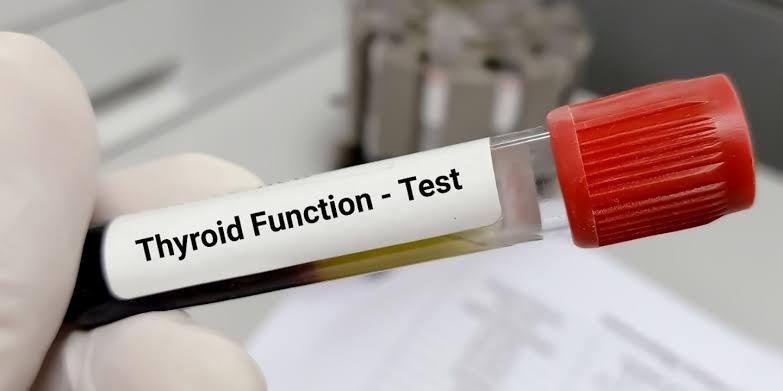
A Thyroid Function Test (TFT) is a blood test that evaluates how well your thyroid gland is working. It measures hormones that regulate metabolism, energy levels, and overall body function. If your thyroid is underactive (hypothyroidism) or overactive (hyperthyroidism), it can cause major disruptions in your health.
You might need a TFT if you have:
Even if you don’t have symptoms, routine thyroid screening is recommended, especially if you’re over 35 or have risk factors like autoimmune disease or pregnancy.

A standard thyroid panel includes three key tests. Each one provides critical insights into your thyroid’s performance.
1. Thyroid-Stimulating Hormone (TSH)
TSH is produced by the pituitary gland and tells the thyroid how much hormone to release.
2. Free T4 (Thyroxine)
T4 is the primary hormone produced by the thyroid. It is converted into T3, the active form.
3. Free T3 (Triiodothyronine)
T3 is the active thyroid hormone that regulates metabolism and energy.
Optional Tests:
Doctors may order thyroid antibody tests to check for autoimmune conditions like Hashimoto’s (hypothyroidism) or Graves’ disease (hyperthyroidism).

If your TSH is high but your T4 and T3 are low, it likely means hypothyroidism—your thyroid isn’t making enough hormones.
If your TSH is low but your T4 and T3 are high, it points to hyperthyroidism—your thyroid is producing too much hormone.
Borderline cases may have normal T4 and T3 levels but an abnormal TSH, meaning your thyroid may be just beginning to show signs of dysfunction. In these cases, your doctor may recommend monitoring or further testing.
If your test results suggest a thyroid issue, don’t panic. Thyroid disorders are highly treatable, and most people regain normal function with the right care.
Regular screening is crucial, even if you feel fine. Many thyroid issues develop slowly, with symptoms that are easy to overlook.
Every 5 years for adults over 35
Annually if you have a family history of thyroid disease
During pregnancy (thyroid function can shift dramatically)
More frequently if you’re on thyroid medication
Your thyroid plays a huge role in your overall health. A simple Thyroid Function Test can uncover hidden imbalances that could be affecting your energy, weight, and mood. If your results are abnormal, take action! Most thyroid conditions are easily managed with medication and lifestyle changes.
Leading the way in health excellence through innovation, expertise, care and support.