

Posted 1 year ago 1985 views 4 mins read
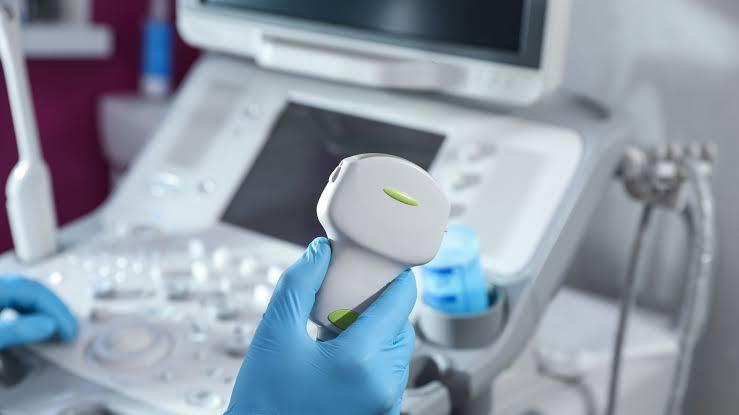
Ultrasounds are often linked to pregnancy, but here’s the truth: they do so much more. From checking your heart to detecting gallstones, ultrasounds are a fast, painless, and radiation-free way to see what’s happening inside your body. Doctors rely on ultrasounds to examine organs, blood flow, and even muscles in real-time. If you’ve ever wondered how sound waves can create an image of your insides—without a single cut—let’s break it down.

Think of an ultrasound like echolocation. Just like bats and dolphins use sound waves to "see" their surroundings, ultrasound machines send sound waves into your body. These waves bounce back, creating a live image of your organs, tissues, or even a developing baby.
Ultrasounds aren’t just for pregnancy. They’re a key tool for diagnosing a wide range of conditions.
1. Pregnancy & Reproductive Health
Checking fetal development, gender, and possible complications.
Investigating ovarian cysts, fibroids, or unexplained pelvic pain.
Monitoring fertility treatments.

2. Abdominal & Digestive Issues
Gallstones or liver problems – If you have persistent stomach pain, an ultrasound can check for stones or liver disease.
Kidney issues – Detects kidney stones, infections, or blockages.
Appendicitis – If you have severe lower right abdominal pain, an ultrasound can help diagnose appendicitis.
3. Heart & Blood Flow (Doppler Ultrasound)
Checking for blood clots – Especially in the legs (deep vein thrombosis).
Evaluating heart function – Helps detect valve problems and blood flow issues.
4. Thyroid, Muscles, & Joints
Thyroid nodules – If a lump is found on your neck, an ultrasound can check if it’s a benign cyst or something more serious.
Tendon injuries – Used for diagnosing muscle or ligament damage, like rotator cuff injuries.

Most ultrasounds are simple:
• A technician applies a special gel to your skin (it helps transmit sound waves).
• A small device (transducer) moves over the area, sending sound waves into your body.
• The machine captures echoes, turning them into a live image on the screen.
For some tests, like abdominal ultrasounds, you may need to fast for a few hours. For pelvic ultrasounds, a full bladder helps get clearer images.
Yes! Unlike X-rays or CT scans, ultrasounds use sound waves—not radiation. That makes them completely safe, even during pregnancy. They can be repeated multiple times with no risk.
Ultrasounds help diagnose issues early, but how do you know when to get one?
If symptoms persist or worsen, don’t ignore them—early detection makes all the difference.
Ultrasounds do far more than capture baby pictures. They’re an essential, radiation-free tool that helps doctors diagnose everything from gallstones to heart problems. Fast, painless, and highly effective, they provide real-time insights into your health—without the risks of radiation.
Leading the way in health excellence through innovation, expertise, care and support.