

Posted 1 year ago 898 views 3 mins read
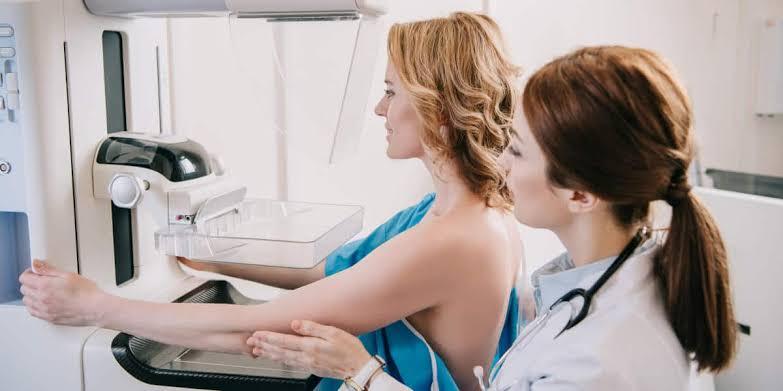
One in eight women will develop breast cancer in their lifetime." That’s a statistic no one wants to be part of—but here’s the good news: early detection saves lives. A mammogram isn’t just another medical test. It’s a powerful tool that can detect breast cancer years before a lump can be felt. It’s quick. It’s safe. And it can make all the difference. Yet, many women put off getting screened—sometimes out of fear, sometimes because they’re "too busy." But here’s the truth: a mammogram takes just 15 minutes and could save years of your life. Let’s talk about why it matters, what to expect, and how to make the process easier.
Think of a mammogram like a high-definition security camera for your breast health. It uses low-dose X-rays to capture detailed images, allowing doctors to spot any unusual changes—long before they cause symptoms.
Breast cancer doesn’t always announce itself with pain or obvious lumps. That’s why routine mammograms are so critical—they catch what you can’t see or feel.

Most experts recommend:
Worried about radiation? Don’t be. A mammogram uses less radiation than a flight from New York to Paris. The benefits far outweigh the risks.
If you’ve never had one, here’s what to expect:
The whole thing takes about 15 minutes, with only a few seconds of compression per image. Yes, it can be uncomfortable, but it’s quick—and so worth it.

First, don’t panic. Abnormal doesn’t mean cancer—it just means more testing is needed. In many cases, it’s something harmless, like dense breast tissue or a benign cyst.
Most follow-up tests do not lead to a cancer diagnosis. But if something is found, catching it early makes all the difference.
Between mammograms, pay attention to any changes in your breasts. See a doctor if you notice:

Your body gives you signals—listen to them. If something feels off, get checked.
A mammogram isn’t just another appointment on your to-do list—it’s a lifesaving tool. It’s quick, it’s safe, and it can detect cancer before it spreads.
Leading the way in health excellence through innovation, expertise, care and support.