

Posted 1 year ago 1198 views 4 mins read
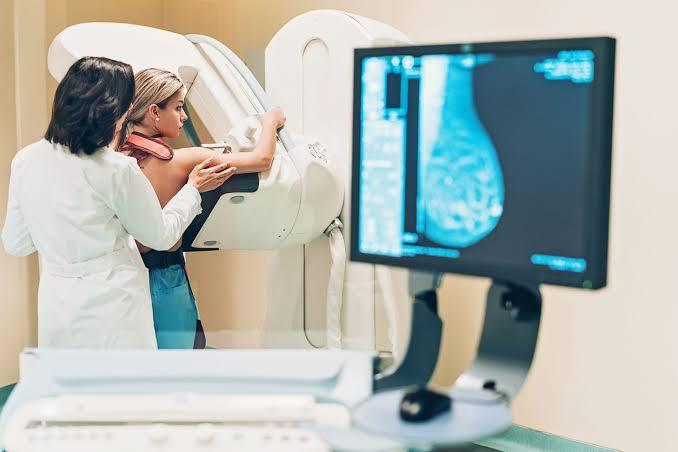
Mammograms are one of the best ways to catch breast cancer early—often before you notice any symptoms. If you’re wondering how they work or what to expect, here’s what you need to know.
A mammogram is a special X-ray that takes detailed pictures of your breast tissue. It helps doctors spot tumors, cysts, or other changes that might not be noticeable during a regular exam.
Most doctors recommend starting yearly mammograms at age 40. But if you have a strong family history of breast cancer or carry certain genetic risks (like BRCA mutations), you might need to start earlier. Talk to your doctor to find the best schedule for you.

It depends. Some women feel only slight pressure, while others experience discomfort from the compression. The good news? It lasts just a few seconds per image. If your breasts are sensitive, try scheduling your mammogram a week after your period—that’s when they tend to be less tender.
The whole appointment usually takes about 20 minutes. The actual imaging? Just a few seconds per breast.
Yes! The amount of radiation used is very low—about the same as what you get from natural background radiation over a few months. And the benefits of early detection far outweigh any risk.
A few simple steps can make your mammogram go smoothly:
An abnormal mammogram doesn’t automatically mean cancer. It could be dense tissue, a cyst, or something else harmless. If needed, your doctor may order extra tests like an ultrasound, MRI, or biopsy to get more answers.

Mammograms catch 85–90% of breast cancers, but they aren’t perfect. Dense breast tissue can make it harder to spot abnormalities, and sometimes results can be unclear. That’s why follow-up tests may be needed.
A 3D mammogram (also called tomosynthesis) takes multiple images to create a clearer view of your breast tissue. It’s especially helpful if you have dense breasts because it reduces false positives and makes small tumors easier to see. Not sure if you need one? Ask your doctor.

Most insurance plans, including Medicare and Medicaid, cover screening mammograms for women over 40. If you don’t have insurance, look for low-cost or free screening programs in your area.
Mammograms are quick, safe, and can save your life. If you’re due for one, don’t wait—schedule your appointment today. Your health is worth it.
Leading the way in health excellence through innovation, expertise, care and support.