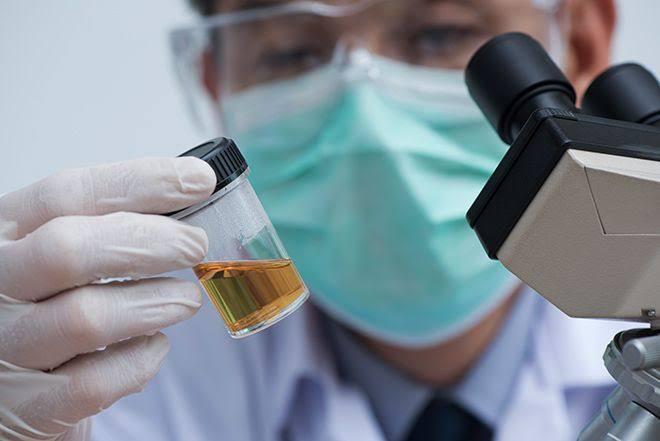

What Your Pee Says About Your Health (And Why You Should Listen)

Ever handed over a urine sample at the doctor’s office and wondered, What exactly are they looking for? It might seem like a routine test, but your pee holds valuable clues about your health. In fact, a simple urinalysis can detect kidney disease, diabetes, infections, and even signs of dehydration—sometimes before you notice any symptoms. The best part? It’s quick, painless, and can give you answers faster than most lab tests. Let’s break down what urinalysis is, what it can tell you, and when you should pay extra attention to your results.


What Is Urinalysis, Really?

Think of it as a multi-point inspection for your body. Just like a mechanic checks a car’s oil, brakes, and engine, a urinalysis looks at three key things:

  • How your urine looks – Is it cloudy? Dark? Strange-smelling?
  • What’s in it chemically – Are there sugars, proteins, or signs of infection?
  • What’s under the microscope – Any bacteria, blood cells, or tiny crystals?

This test helps doctors catch early warning signs before bigger problems develop.

What Can a Urine Test Reveal?

Your urine can say a lot about what’s happening inside your body. Here are some key signals:

  • Cloudy or smelly pee? Could be a urinary tract infection (UTI).
  • Foamy or bubbly urine? Might mean your kidneys are leaking protein—an early sign of kidney disease.
  • Sweet-smelling urine? A red flag for diabetes.
  • Dark or tea-colored pee? You might be dehydrated, or it could signal a liver issue.
  • Blood in your urine? Never normal. It could be a sign of an infection, kidney stones, or (in rare cases) something more serious.
Just like you wouldn’t ignore a warning light on your car, don’t ignore what your pee is telling you!

When Should You Get a Urinalysis?

You don’t have to be sick to benefit from this test. A urinalysis can help in situations like:

  • Routine checkups – A quick way to catch hidden issues early.
  • Frequent UTIs – Confirms an infection and helps guide treatment.
  • Managing diabetes or high blood pressure – Both can damage your kidneys over time.
  • Noticing changes in your urine – Persistent foaminess, a strong odor, or dark color could be a sign of trouble.

And if you ever see blood in your urine? Call your doctor. Even if it happens just once, it’s worth checking out.

How to Get the Most Accurate Results

If you need to take a urine test, follow these steps for the best results:

  • Use a clean container – A sterile cup is best, but make sure whatever you use is clean.
  • Midstream collection is key – Start urinating, then collect the sample halfway through to avoid contamination.
  • Keep it fresh – If you can’t get the sample to the lab right away, refrigerate it.


Bottom Line: Listen to What Your Pee is Telling You

Urinalysis is more than just a routine test—it’s a powerful tool for catching potential health issues early. Whether it’s a UTI, kidney disease, or a warning sign of diabetes, your urine holds valuable clues.

Related Blogs

Related Products