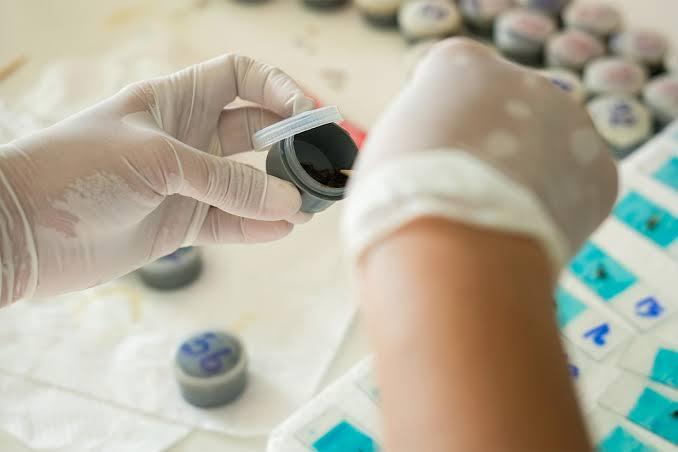
Let’s be honest no one likes talking about poop. But the truth is, your stool can tell you a lot about what’s going on inside your body. A simple stool test can uncover parasites, harmful bacteria, hidden blood, and even early signs of colon cancer.
If you've been dealing with persistent stomach issues, unexplained weight loss, or changes in your digestion, your doctor may recommend a stool test. It’s a quick, non-invasive way to check for underlying health problems. Let’s break down what these tests look for, how they work, and when you might need one.
What Is a Stool Test?
A stool test analyzes a sample of your poop to check for infections, digestive disorders, and signs of internal bleeding. Depending on what your doctor is investigating, you may need one of these common stool tests:
- Stool test for parasites Detects parasites like Giardia or tapeworms that can cause long-term stomach issues.
- Stool culture for bacteria Identifies harmful bacteria like Salmonella, E. coli, or C. difficile that can trigger food poisoning or infections.
- Fecal occult blood test (FOBT) or fecal immunochemical test (FIT) Screens for hidden blood in the stool, a potential sign of colon cancer, ulcers, or inflammatory bowel disease (IBD).
- In short, stool tests help doctors catch gut problems early before they lead to bigger issues.
What Can a Stool Test Detect?
Your digestive system is a window into your overall health. A stool test can reveal:
- Persistent diarrhea Could be caused by an infection, food poisoning, or parasites.
- Chronic stomach pain or bloating Might indicate gut inflammation, IBD, or an imbalance in gut bacteria.
- Blood in the stool A warning sign of ulcers, hemorrhoids, or even colon cancer.
- Frequent stomach infections Some people are more prone to bacterial or parasitic infections.
- Digestive disorders like lactose intolerance or celiac disease Certain stool tests can help confirm these conditions.

When Should You Get a Stool Test?
You may need a stool test if you:
- Have had diarrhea for more than a few days
- Experience persistent stomach pain, bloating, or unexplained weight loss
- Notice blood in your stool (even once) or have black, tarry stools
- Recently traveled to an area with poor sanitation
- Are over 45 and need a colon cancer screening
If you see blood in your stool or have ongoing digestive issues, don’t ignore it. A simple test could catch something early before it turns serious.
How to Collect a Stool Sample (Without the Mess)
Stool tests may not be the most pleasant, but collecting a sample is easier than you think. Here’s how to do it right:
- Use a clean, dry container Your doctor will provide a special collection kit. Avoid contamination from urine or toilet water.
- Follow storage instructions Some samples need refrigeration if they’re not tested right away.
- Deliver it quickly The fresher the sample, the more accurate the results.
- Your doctor or lab will give you step-by-step instructions, so don’t stress it’s straightforward!

The Bottom Line: Listen to Your Gut
A stool test may not be glamorous, but it’s one of the simplest ways to detect infections, parasites, and even early signs of colon cancer.