

Posted 1 year ago 2286 views 4 mins read
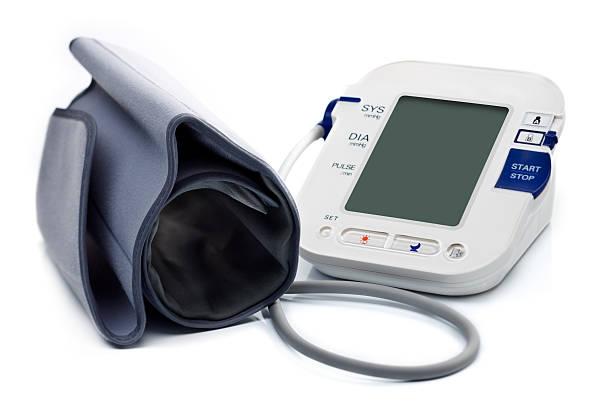
High blood pressure, also called hypertension, is often known as the silent killer. Why? Because it usually has no symptoms until it’s too late when it leads to heart disease, stroke, or kidney failure. Millions of people worldwide have high blood pressure, but many don’t even know it. That’s where home blood pressure monitors come in.
There are two main types of blood pressure monitors:
1. Digital Blood Pressure Monitors (Most common for home use)
These are the easiest to use. Just wrap the cuff around your upper arm (or wrist, depending on the model), press a button, and wait a few seconds. The machine will inflate the cuff, take your reading, and display the numbers on a screen.

Many modern monitors store previous readings, making it easy to track your blood pressure trends over time. Some even sync with smartphone apps for automatic data logging.
Best for: People who want an easy, no-fuss way to check their blood pressure at home.
2. Manual Blood Pressure Monitors (Like the ones doctors use)
These require a stethoscope and some skill. You manually inflate the cuff with a pump and listen for your pulse to determine the reading.
While highly accurate, they’re harder to use without medical training.
Best for: Healthcare professionals or those trained in using them.
For most people, a digital monitor is the best choice for home use. They’re accurate, easy to use, and widely available.

Taking your blood pressure seems simple, but small mistakes can lead to inaccurate results. Follow these tips for the best readings:
• Sit in a quiet place Relax for at least five minutes before taking a reading. Stress or movement can raise your blood pressure temporarily.
• Keep your arm at heart level Rest it on a table or cushion to ensure accurate measurements.
• Avoid caffeine, smoking, or exercise These can temporarily raise your blood pressure. Wait at least 30 minutes before checking.
• Measure at the same time each day Blood pressure fluctuates throughout the day, so consistency is key.
• Take multiple readings A single reading isn’t always reliable. Try measuring two or three times and averaging the results.
1. Early Detection of Health Problems
Blood pressure changes over time. Regular monitoring helps catch problems before they become serious. If your numbers start creeping up, you can take action early whether that means adjusting your diet, exercising more, or consulting your doctor.
2. Better Medication Management
If you’re already on blood pressure medication, home monitoring helps you and your doctor see if it’s working. Sometimes, medications need adjustments, and having daily readings makes those decisions easier.
3. Greater Control Over Your Health
Instead of relying on occasional doctor visits, you’ll have real-time insights into your blood pressure. This gives you more control over your health decisions and encourages healthy habits.
4. Peace of Mind
For people with a history of hypertension or heart issues, knowing their blood pressure is stable can be reassuring. No more guessing just clear, measurable data.
A single high reading doesn’t necessarily mean you have a problem. Blood pressure can fluctuate due to stress, caffeine, or even a bad night’s sleep. However, if your readings are consistently high (above 130/80 mmHg), it’s time to talk to your doctor.
Seek immediate medical attention if you experience:
•Readings above 180/120 mmHg (Hypertensive crisis this is an emergency!)
•Severe headaches, dizziness, or chest pain
•Shortness of breath or sudden vision problems
•High blood pressure (hypertension)
•A family history of heart disease or strokes
•Diabetes or kidney disease
•Pregnancy-related high blood pressure (preeclampsia)
•Lifestyle risks like high stress, poor diet, or lack of exercise
Checking your blood pressure at home isn’t just about numbers it’s about protecting your health. Whether you’re managing a condition or just being proactive, a home monitor gives you valuable insights into your body.
Leading the way in health excellence through innovation, expertise, care and support.