

Posted 1 year ago 518 views 5 mins read
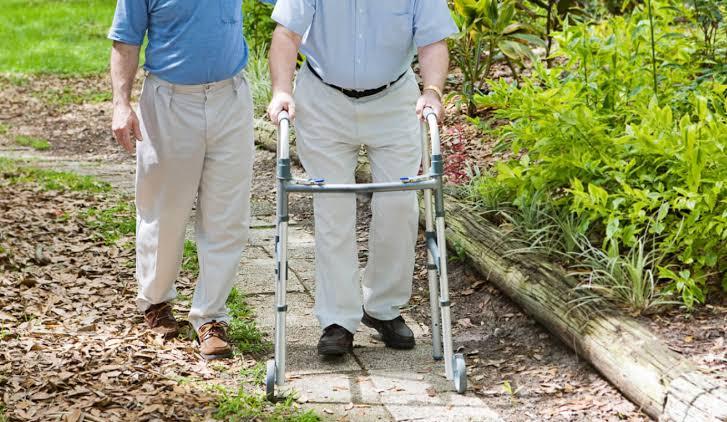
Every year, over 30% of adults aged 65 and older experience a fall. That’s millions of people at risk of injury—often preventable with the right support. Whether it’s aging, recovery from surgery, or a long-term condition, mobility challenges can sneak up on us. And let’s be real: struggling to move safely isn’t just frustrating; it can be downright dangerous. But here’s the good news—walking aids can make a world of difference. The right cane, crutch, or walker doesn’t just help you get around; it restores confidence, reduces pain, and keeps you moving safely. Let’s dive into how these essential tools can improve daily life and help you stay independent!
Walking aids are essential for individuals who experience difficulties with balance, strength, or mobility. These aids are commonly used by:
•Seniors: As people age, muscle strength and balance can decline, increasing the risk of falls. A walking aid can provide stability and confidence.
•Individuals Recovering from Injuries: Those healing from fractures, surgeries, or muscle injuries often require temporary support while regaining strength.
•People with Neurological Conditions: Conditions like Parkinson’s disease, multiple sclerosis, or stroke can affect coordination and balance, making walking aids crucial for mobility.
•Individuals with Chronic Pain or Weakness: Those with arthritis, joint pain, or muscle disorders may benefit from added support to reduce strain on their legs and joints.
Walking aids come in various forms, each designed to address specific mobility challenges. The most common types include:
1. Canes
Best for: Mild balance issues or slight weakness in one leg.
Canes provide additional support and stability by redistributing weight from the affected leg to the upper body.
They come in different types:
•Standard canes: A single-point cane with a rubber tip for basic support.
•Quad canes: Feature a four-legged base for extra stability, ideal for those with significant balance issues.
•Adjustable canes: Allow users to modify height for a perfect fit.
Canes are easy to use, lightweight, and help reduce joint strain when walking.

2.crutches
Best for: Temporary injuries or conditions affecting one leg.
Crutches shift weight from the lower body to the upper body, allowing individuals to walk without putting pressure on an injured leg.
Types of crutches:
•Axillary crutches: The most common type, fitting under the arms and used for short-term injuries like fractures.
•Forearm crutches: Provide better mobility and are often used for long-term conditions or rehabilitation.
•Platform crutches: Designed for individuals who cannot bear weight on their wrists and need forearm support.
Crutches require upper body strength and proper technique to avoid discomfort and fatigue.

3. Walkers
Best for: Severe balance problems, significant leg weakness, or post-surgery recovery.
Walkers provide maximum support as they have four legs and a broad base.
Types of walkers:
•Standard walkers: Require lifting to move forward, suitable for those needing strong stability.
•Wheeled walkers: Have two or four wheels, allowing for smoother movement with less effort.
•Rollators: Feature four wheels, hand brakes, and a seat for resting, ideal for individuals who need both mobility assistance and occasional breaks.
Walkers distribute weight evenly, making them one of the safest options for mobility support.
Walking aids do more than just assist with movement—they improve quality of life by providing:
•Enhanced Stability: By offering extra points of contact with the ground, walking aids help prevent falls and accidents.
•Increased Independence: Individuals can move around safely without relying on others, boosting confidence and self-sufficiency.
•Reduced Pain and Fatigue: By redistributing weight and alleviating pressure on joints and muscles, these devices make walking more comfortable.
•Faster Recovery: For those healing from injuries, walking aids provide necessary support, allowing them to stay active without causing further harm.

Selecting the correct walking aid depends on the user’s condition, level of mobility, and personal comfort. Here are key factors to consider:
•Mobility Needs: A cane is best for mild support, crutches for temporary injuries, and a walker for maximum stability.
•Upper Body Strength: Those with limited arm strength may find a walker easier to use than crutches.
•Environment: Walkers and rollators are ideal for home and outdoor use, while canes are better for navigating tight spaces.
•Adjustability and Comfort: Ensuring the walking aid is at the correct height prevents strain on the back and shoulders.
To maximize the benefits of walking aids, it’s important to use them correctly:
•Ensure Proper Fit: The height should allow a slight bend in the elbow when holding the device.
•Use the Right Technique: Move the aid forward before stepping to ensure stability.
•Wear Proper Footwear: Non-slip shoes enhance grip and reduce the risk of slipping.
•Be Cautious on Uneven Surfaces: Walking aids can become unstable on loose gravel, wet floors, or steep inclines.
•Regular Maintenance: Check for worn-out rubber tips or loose screws to prevent malfunctions.
Walking aids play a crucial role in enhancing mobility, safety, and independence for individuals with balance or strength issues. Whether it’s a simple cane, supportive crutches, or a sturdy walker, these devices empower users to move with confidence and ease. If you or a loved one is experiencing mobility challenges, consulting a healthcare professional can help determine the best walking aid for your needs. With the right support, every step can feel safer and more comfortable.
Leading the way in health excellence through innovation, expertise, care and support.