

Posted 1 year ago 732 views 5 mins read
Imagine relying on sheer willpower to get across a room when your legs simply won’t cooperate. Frustrating, right? For millions, mobility challenges make everyday movement exhausting, limiting, and even dangerous. That’s where wheelchairs and scooters step in—not just as devices, but as lifelines. These aren’t just tools for getting from A to B; they’re about reclaiming freedom, dignity, and the ability to participate fully in life. Let’s break down how they help, who needs them, and how to pick the right one.
Not everyone with mobility challenges requires a wheelchair or scooter, but for those who do, these devices can be life-changing. They’re especially vital for:
•People with Severe Mobility Impairments: Conditions like muscular dystrophy, multiple sclerosis, spinal cord injuries, or paralysis make walking difficult or impossible.
•Older Adults with Limited Strength or Endurance: Aging can bring muscle weakness, joint pain, and fatigue, making long distances daunting.
•Post-Surgery Patients: After surgeries like hip or knee replacements, temporary mobility support is often essential.
•People with Chronic Pain or Fatigue Disorders: Conditions such as arthritis or fibromyalgia can make walking painful, increasing reliance on mobility aids.
Not all mobility aids are created equal. Choosing the right one depends on the user’s needs, lifestyle, and physical ability.
1. Manual Wheelchairs
Ideal for: People with upper body strength or caregivers who can assist.
Propelled by the user or an attendant.
Lightweight, foldable, and easy to transport.
Requires effort to operate, making it less suitable for those with limited strength.
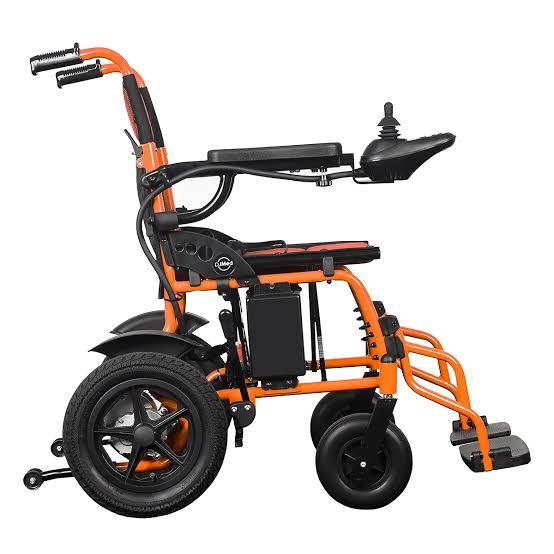
2. Electric (Power) Wheelchairs
Ideal for: Those with limited strength or severe mobility impairments.
Battery-operated, controlled with a joystick or remote.
Offers greater independence and easier movement, especially over long distances.
Heavier and more expensive but provides essential support for full-time users.
3. Mobility Scooters
Ideal for: People who can walk short distances but need assistance for longer trips.
Operated with handlebars and a throttle, much like a motorized vehicle.
Perfect for outdoor use, shopping, and navigating large spaces.
Requires some upper body mobility to steer and the ability to get on and off independently.
The impact of wheelchairs and scooters goes far beyond simple mobility. These devices enhance overall well-being by:
•Restoring Independence: Users can navigate homes, workplaces, and public spaces without needing constant assistance.
•Reducing Physical Strain: Walking with mobility limitations can be exhausting and painful. Wheelchairs and scooters relieve this burden.
•Preventing Falls and Injuries: Reduced mobility increases the risk of falls. These devices offer a safer alternative.
•Encouraging Social Participation: Many people with mobility challenges avoid social events due to movement difficulties. The right aid allows them to stay active and engaged.

Selecting the right wheelchair or scooter is crucial for comfort and functionality. Consider these factors:
•Mobility Level: Manual wheelchairs require arm strength, while power wheelchairs and scooters are better for severe impairments.
•Environment: Will it be used indoors, outdoors, or both? Power wheelchairs and scooters work well outdoors, while manual wheelchairs offer better maneuverability inside.
•Transportability: If frequent travel is involved, a foldable manual wheelchair or lightweight scooter is ideal.
•Battery Life and Speed: For electric models, check battery range and speed settings to match daily needs.
•Comfort and Support: Look for cushioned seating, adjustable armrests, and proper back support to prevent discomfort and pressure sores.
Regular maintenance ensures safety and prolongs the life of these essential devices. Here’s what to keep in mind:
•Practice Safe Use: Learn to navigate different terrains, ramps, and narrow spaces safely.
•Check Batteries Regularly (for Electric Models): Keep them charged and replace when necessary.
•Inspect Wheels and Brakes: Ensure they function properly to prevent accidents.
•Keep It Clean: Regularly wipe down surfaces and check for dust or debris in moving parts.

Wheelchairs and scooters aren’t just mobility aidsthey’re life-enhancers. They offer independence, confidence, and the freedom to move without limitations. If you or a loved one is facing mobility challenges, finding the right device can make all the difference. The right choice isn’t just about movement its about reclaiming life, one ride at a time!
Leading the way in health excellence through innovation, expertise, care and support.