

Posted 1 year ago 759 views 5 mins read
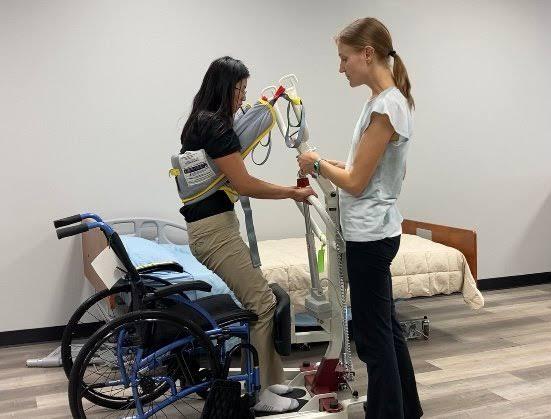
Moving from a bed to a wheelchair or shifting positions shouldn’t be a struggle. But for individuals with severe mobility limitations, these simple tasks can be exhausting—or even dangerous. Falls, muscle strain, and discomfort are real risks, both for patients and caregivers. That’s where lifting and transfer devices come in! These essential tools make movement safer, easier, and more comfortable for everyone involved. Whether it’s a patient lift, a transfer board, or a gait belt, the right device can transform daily care routines. Let’s explore how they work, who benefits, and how to choose the best option.

These devices cater to individuals with limited mobility who need assistance moving from one surface to another. The primary users include:
•Patients with Severe Mobility Impairments: Those who are unable to move independently due to paralysis, neuromuscular conditions, or severe weakness.
•Elderly Individuals: Seniors with reduced strength or balance who need extra support for transfers.
•Post-Surgery Patients: People recovering from major surgeries, such as hip replacements, who require temporary assistance.
•Caregivers and Healthcare Providers: Professionals who assist with patient movement and need tools to prevent injury and ensure safe transfers.
Different situations call for different solutions. Here’s a breakdown of the most commonly used devices:
1. Patient Lifts
Best for: Transferring individuals who cannot support their weight.
•Manual Lifts: Operated by hand or foot pumps, these are cost-effective but require physical effort.
•Electric Lifts: Powered by rechargeable batteries, these provide effortless lifting with the push of a button.

•Ceiling Lifts: Installed on tracks, these offer a permanent solution for easy movement within a room.
•Sit-to-Stand Lifts: Assist individuals with partial mobility in transitioning from sitting to standing.
2. Transfer Boards
•Best for: Helping individuals slide from one surface to another.
Wooden or Plastic Boards: Provide a smooth surface for easy movement.
•Curved Boards: Designed for angled transfers, such as from a wheelchair to a car.
•Bariatric Boards: Built to support heavier individuals with reinforced materials.
3. Gait Belts
Best for: Providing stability and assistance while walking or standing.
•Standard Gait Belts: Used to help caregivers support and guide patients.
•Padded Gait Belts: Offer extra comfort for prolonged use.
Quick-Release Gait Belts: Feature easy-to-remove buckles for fast adjustments.

These tools aren’t just about convenience—they have real benefits that enhance quality of life:
•Preventing Falls: Reduces the risk of injuries during transfers.
•Minimizing Caregiver Strain: Protects caregivers from back injuries caused by lifting patients manually.
•Enhancing Patient Comfort: Provides smooth, controlled movements to reduce stress and discomfort.
•Encouraging Independence: Some devices, like sit-to-stand lifts, help individuals regain some mobility control.
Selecting the right device depends on several factors:
•Mobility Level of the User: Fully immobile patients need lifts, while partially mobile individuals may benefit from transfer boards or gait belts.
•Caregiver Strength & Resources: If a caregiver has limited strength, electric lifts may be necessary.
•Space & Environment: Ceiling lifts require installation, whereas portable lifts can be used in multiple locations.
•Budget & Insurance Coverage: Manual devices tend to be more affordable, while powered options may be covered by insurance.

To ensure safety and longevity, follow these care guidelines:
•Read Manufacturer Instructions: Every device has unique features and safety precautions.
•Check for Wear and Tear: Inspect belts, slings, and straps regularly for fraying or damage.
•Maintain Cleanliness: Wipe down surfaces to prevent bacterial buildup, especially in shared-use settings.
•Train Caregivers Properly: Improper use can lead to accidents—ensure caregivers receive adequate training.
Lifting and transfer devices are game-changers for individuals with mobility challenges and their caregivers. They prevent injuries, improve comfort, and make daily life significantly easier. Whether it’s a simple gait belt or a high-tech ceiling lift, the right device can restore dignity and independence while ensuring safety for all. Investing
in the right mobility solution can make every transfer a smoother, safer experience.
Leading the way in health excellence through innovation, expertise, care and support.