

Posted 1 year ago 5384 views 7 mins read
One minute, you're feeling fine. The next, a sharp pain grips your lower right abdomen. If that pain worsens when you move, cough, or even breathe deeply, it could be appendicitis—and that’s a medical emergency. An appendectomy, the surgical removal of the appendix, is the only way to stop a ruptured appendix from causing life-threatening complications. If you or someone you love needs this procedure, here’s exactly what to expect at every stage.
An appendectomy is a surgical procedure to remove the appendix, a small, finger-shaped pouch attached to the large intestine. While the appendix doesn’t have a known essential function, it can become inflamed or infected (appendicitis), requiring urgent removal.

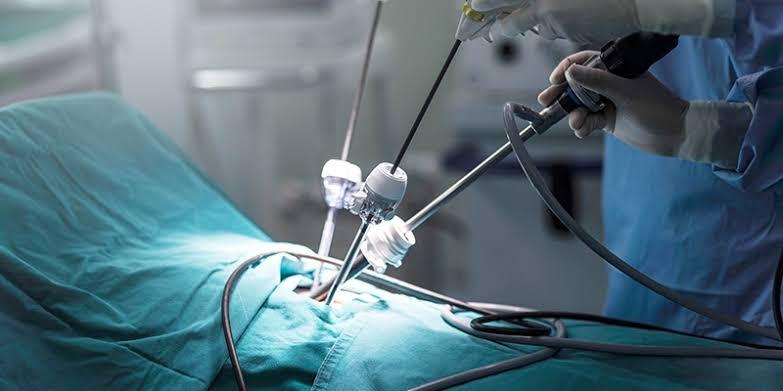
1.Laparoscopic Appendectomy: A minimally invasive option using small incisions and a camera for guidance. This approach leads to a faster recovery and less scarring.
2.Open Appendectomy: A larger incision is made, usually when the appendix has ruptured or if complications arise.
Both methods are effective, and your surgeon will choose the best option based on your condition.
How do you know if you have appendicitis? Watch for these key signs:
•Pain that starts near the belly button and shifts to the lower right side.
•Pain that worsens with movement, coughing, or deep breaths.
•Nausea, vomiting, or loss of appetite.
•Fever and chills.
•Bloating or trouble passing gas.
Appendicitis isn’t something to “wait and see” with—it can worsen quickly, leading to a dangerous rupture. Seek medical attention immediately if you experience these symptoms
Your new artificial lens (IOL) determines how well you see after surgery. Options include:
Choosing the right lens depends on your lifestyle. Want to ditch glasses altogether? Premium IOLs may be worth considering
•Anesthesia Administration: You’ll receive medication to keep you asleep and comfortable.
•Surgical Incisions:
1.Laparoscopic appendectomy: Three small incisions allow for a camera and surgical tools to be inserted.
2. Open appendectomy: A single incision is made in the lower right abdomen.
•Appendix Removal: The surgeon carefully detaches and removes the appendix.
•Closure: Incisions are closed with sutures or surgical glue.
•Recovery Room: You’ll wake up in a monitored area where doctors check your vital signs and pain levels.
The entire surgery usually takes 30 to 60 minutes, depending on complexity.
Most patients go home the same day or stay overnight, unless complications arise.
Hospital Recovery
•You may feel groggy from anesthesia.
•Pain medication will be provided.
•You’ll be encouraged to walk soon after surgery to prevent blood clots.
•If the appendix ruptured, a longer hospital stay may be necessary.
•Pain Management: Take prescribed pain relievers as directed.
•Avoid Heavy Lifting: No strenuous activity for at least 2-4 weeks.
•Gradual Diet Progression: Start with clear liquids and soft foods before resuming a regular diet.
•Wound Care: Keep the incision area clean and dry.
•Rest and Light Activity: Gentle movement is encouraged, but avoid intense physical exertion.
Recovery is usually smooth, but watch for warning signs like:
•Fever over 101°F (38.3°C).
•Increased redness, swelling, or pus at the incision site.
•Persistent nausea, vomiting, or severe abdominal pain.
•Difficulty urinating or passing stool.
•If you notice any of these symptoms, contact your doctor immediately.
An appendectomy is a common, safe, and life-saving procedure. Knowing what to expect before, during, and after surgery can help ease anxiety and promote a smoother recovery.
The key takeaway? Don’t ignore persistent stomach pain—quick treatment makes all the difference!
Leading the way in health excellence through innovation, expertise, care and support.