1 year ago


Posted 1 year ago 2776 views 4 mins read
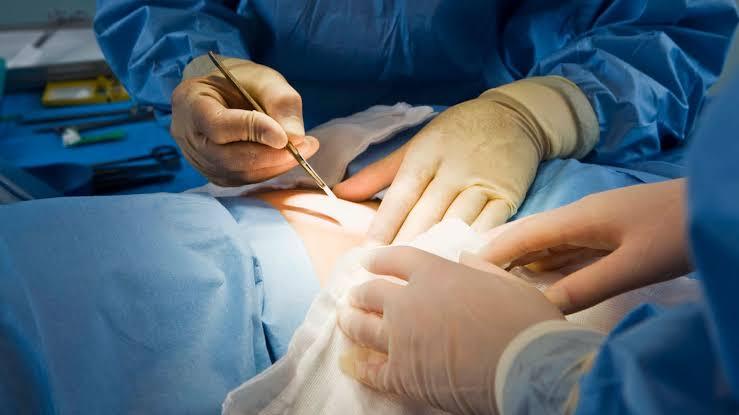
Breast cancer affects 1 in 8 women in their lifetime. It’s a number that stops you in your tracks. For many, a mastectomy surgical removal of the breastis a life-saving procedure. But the idea of surgery can be overwhelming. What happens before, during, and after? What are the risks? How can you prepare? Let’s break it down step by step so you can feel informed and empowered.
Preparation is key. Knowing what to expect can ease anxiety and set you up for a smoother recovery. Here’s what you need to do:
•Understand Your Options There are different types of mastectomies. Will it be a simple mastectomy or will lymph nodes be removed? Will you have immediate reconstruction? Your doctor will help decide the best course.
•Medical Evaluations Expect blood tests, imaging (mammogram, ultrasound, or MRI), and possibly a biopsy to finalize the plan.
•Adjust Medications Some drugs, like blood thinners, may need to be stopped before surgery.
•Prepare Your Home Stock up on easy-to-prepare meals, arrange comfortable seating with arm support, and set up items at waist level to avoid reaching overhead post-surgery.
•Pack Smart for the Hospital Loose clothing, button-up shirts, and a small pillow for the ride home (to cushion against seatbelt pressure) are essential.

The surgery itself usually lasts 2 to 3 hours under general anesthesia. Here’s what happens in the operating room:
•Incisions Are Made The exact location depends on the type of mastectomy.
•Breast Tissue Removal The surgeon removes the breast tissue and, if needed, lymph nodes.
•Drain Placement Small tubes may be inserted to drain excess fluid.
•Closure & Reconstruction If you’re having reconstruction, a plastic surgeon may step in at this point.
•After the procedure, you’ll wake up in a recovery area with your chest bandaged. You might feel groggy, but pain will be managed with medication.

Healing takes time, but knowing what to expect makes it more manageable.
Hospital Stay & Immediate Recovery
At-Home Recovery (Weeks 1-6)
Most recover well, but some issues can arise. Be on the lookout for:
A mastectomy is a major surgery, but with preparation and the right mindset, recovery is manageable. Give yourself grace. Healing isn’t just physical it’s emotional, too. Lean on your support system, follow your doctor’s advice, and take it one step at a time.
Leading the way in health excellence through innovation, expertise, care and support.