

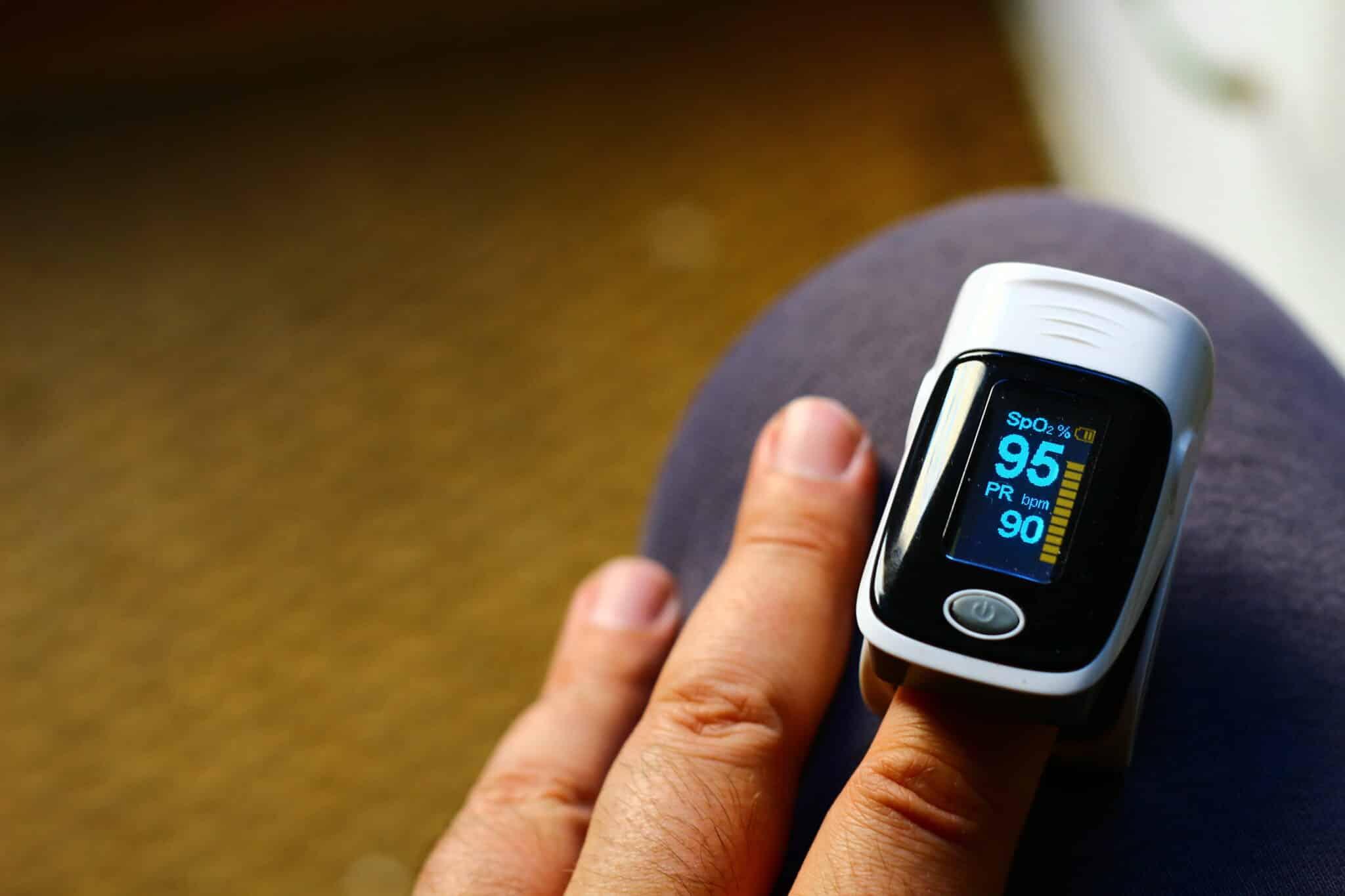

Blood oxygen levels are a crucial indicator of your overall health, reflecting how efficiently oxygen is being transported throughout your body. The proper level of oxygen in the blood is essential for the body's cells and organs to function effectively. In this article, we’ll dive into the importance of blood oxygen levels, how they are measured, and what can cause them to drop.
what Are Blood Oxygen Levels?
Blood oxygen levels refer to the amount of oxygen circulating in your blood, which is necessary for every cell in your body. Oxygen is carried by red blood cells and transported from your lungs to tissues and organs throughout your body. Normal blood oxygen levels are typically measured in terms of oxygen saturation (SpO2), which is the percentage of hemoglobin (the protein in red blood cells) that is bound with oxygen.
What is a Normal Blood Oxygen Level?
For healthy individuals, normal blood oxygen levels typically range between 95% and 100%. This means that 95% to 100% of the hemoglobin in the blood is fully saturated with oxygen. If your blood oxygen level drops below 90%, it is considered low (a condition known as hypoxemia), and this may require medical attention.
The following is a general guideline for blood oxygen levels:
- 95% to 100%: Normal range for most healthy individuals.
- 90% to 94%: Slightly low, but not necessarily dangerous. It may indicate mild respiratory issues.
- Below 90%: Low oxygen levels. This is a sign of hypoxemia, which may require medical intervention.
 How Are Blood Oxygen Levels Measured?
There are several methods used to measure blood oxygen levels, and they differ in terms of accuracy and convenience.
-
Pulse Oximeter (Non-Invasive): This small, clip-like device is commonly used to measure oxygen levels. It is typically attached to a fingertip, earlobe, or toe and uses light to determine the percentage of oxygenated hemoglobin in your blood. Pulse oximeters are widely used in medical settings as well as for home monitoring, especially for individuals with chronic respiratory conditions.
-
Arterial Blood Gas (ABG) Test (Invasive): This is a more accurate method for measuring blood oxygen levels. The test requires a blood sample drawn from an artery, typically in the wrist. The ABG test measures the oxygen and carbon dioxide levels, the pH of the blood, and other important factors. It is often used in hospital settings for more serious respiratory issues or during surgeries.
Factors That Affect Blood Oxygen Levels
Various factors can impact your blood oxygen levels, including:
-
Respiratory Conditions:
- Chronic Obstructive Pulmonary Disease (COPD): Conditions like emphysema and chronic bronchitis can reduce your ability to breathe deeply, impairing the flow of oxygen into the bloodstream.
- Asthma: This condition can cause the airways to constrict, making it harder to get oxygen into the lungs.
- Pneumonia and COVID-19: Infections can inflame the lungs, reducing their ability to absorb oxygen.
-
Altitude: At higher altitudes, there is less oxygen in the air, which can lead to lower blood oxygen levels, especially for individuals who are not acclimated to such conditions.
-
Heart Conditions: If the heart is not functioning properly, it may not pump enough oxygen-rich blood to the organs and tissues, resulting in low oxygen levels.
-
Sleep Apnea: People with sleep apnea may experience periods of low blood oxygen during sleep due to blocked airways or irregular breathing.
-
Obesity: Being overweight or obese can contribute to lower oxygen levels, particularly while sleeping, due to breathing difficulties.
-
Smoking: Smoking damages the lungs and reduces their ability to absorb oxygen, leading to lower blood oxygen levels over time.
Symptoms of Low Blood Oxygen Levels
Low blood oxygen levels can cause a variety of symptoms. Some common signs of hypoxemia include:
- Shortness of breath or difficulty breathing
- Increased heart rate or rapid breathing
- Confusion or dizziness
- Cyanosis (a bluish tint to the skin, especially around the lips, fingers, or toes)
- Fatigue or weakness
- Chest pain or discomfort
If you experience these symptoms, it's important to seek medical attention as soon as possible. Prolonged low oxygen levels can lead to organ damage, especially to the heart and brain.
Treatment for Low Blood Oxygen Levels
Treatment for low blood oxygen levels depends on the underlying cause. In some cases, simply breathing in supplemental oxygen (through a mask or nasal cannula) can help raise oxygen levels back to normal. If an underlying condition, such as an infection or a chronic disease, is contributing to low oxygen levels, treating that condition will be essential to improving your oxygen saturation.
Tips for Maintaining Healthy Blood Oxygen Levels
While certain health conditions may make it more challenging to maintain optimal oxygen levels, there are some lifestyle choices that can support lung and heart health:
- Exercise Regularly: Regular physical activity can improve your lung capacity and heart function, which helps maintain optimal oxygen levels.
- Avoid Smoking: Smoking is harmful to the lungs and reduces oxygen absorption. Quitting smoking can improve lung function and overall health.
- Stay Hydrated: Proper hydration supports the function of your circulatory and respiratory systems.
- Manage Health Conditions: If you have conditions like asthma, COPD, or heart disease, work with your healthcare provider to manage them effectively.
When to Seek Medical Help
If you notice that your blood oxygen levels are consistently low or you experience symptoms like shortness of breath, confusion, or dizziness, it’s important to consult a healthcare professional. Early intervention can help prevent complications and ensure that any underlying issues are addressed promptly.
Conclusion
Understanding your blood oxygen levels is essential for maintaining good health. Whether you’re managing a chronic condition, recovering from an illness, or simply curious about your health, knowing what your blood oxygen levels mean can help you take proactive steps toward better well-being. Regular monitoring, especially for individuals with respiratory or heart conditions, can catch any potential issues early, leading to better outcomes and improved quality of life.