

Posted 1 year ago 551 views 4 mins read
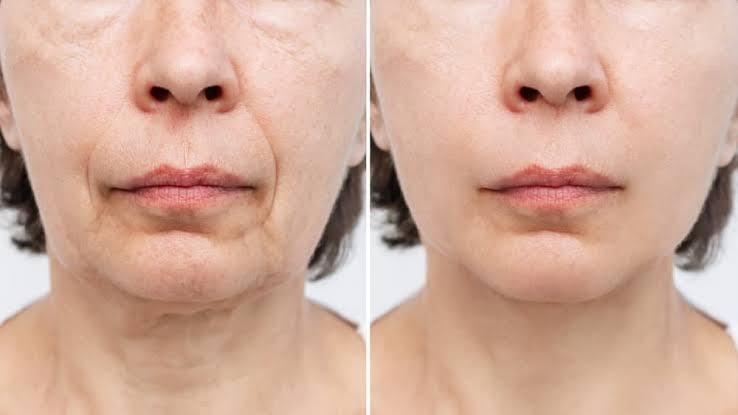
Aging is a natural process, but for many, the visible signs of aging such as sagging skin, deep wrinkles, and loss of facial volume can impact confidence and self-image. Facelifts and mini facelifts have become popular solutions for individuals looking to restore a youthful appearance without excessive downtime. These procedures have evolved significantly, offering more natural results with advanced techniques. In this article, we will explore what facelifts and mini facelifts are, their benefits, who can consider them, and what to expect from the procedure.
A facelift, or rhytidectomy, is a surgical procedure designed to tighten and lift sagging skin on the face and neck. It addresses deep wrinkles, loose skin, and lost facial volume by repositioning underlying tissues and removing excess skin. Traditional facelifts focus on the lower face and neck, enhancing the jawline and reducing the appearance of jowls and sagging cheeks.

Modern techniques, such as the deep plane facelift, allow for more natural results by adjusting deeper facial structures rather than just tightening the skin. This approach prevents the overly "pulled" look that was once common in early facelift procedures.
A mini facelift is a less invasive version of a traditional facelift. It is often called a "weekend facelift" because of its shorter recovery time. This procedure is ideal for individuals with mild to moderate skin laxity who want subtle but effective results.

Unlike a full facelift, which involves extensive incisions and tissue repositioning, a mini facelift uses smaller incisions around the ears and along the hairline. The surgeon lifts and tightens the skin, enhancing the jawline and reducing early jowls. Because it is less invasive, patients typically experience minimal scarring and faster healing.
Restores a Youthful Appearance – By tightening loose skin and redefining facial contours, these procedures provide a refreshed and more youthful look.
1.Long-Lasting Results – While non-surgical treatments like fillers offer temporary results, facelifts provide lasting improvements for 10–15 years.
2.Natural-Looking Enhancements – Advanced techniques ensure that results appear natural rather than overly tight or artificial.
3.Boosts Confidence – Many patients report feeling more confident and satisfied with their appearance after the procedure.
4.Minimally Invasive Options Available – Mini facelifts allow younger patients to maintain a youthful appearance with minimal downtime.

Ideal candidates for facelifts or mini facelifts include individuals who:
•Have sagging skin, deep wrinkles, or jowls.
•Are in good general health without serious medical conditions.
•Have realistic expectations about the outcome.
•Are non-smokers or willing to quit before and after surgery to promote healing.
•Want a long-term solution rather than temporary cosmetic treatments.
A board-certified plastic surgeon evaluates your facial structure, skin condition, and goals to determine the best approach. They will discuss surgical options, expected results, and recovery time.
The procedure is performed under local or general anesthesia, depending on the extent of the surgery. Small incisions are made around the ears or hairline, and the underlying tissue is repositioned for a smoother, lifted appearance. Excess skin is removed before closing the incisions.
• Swelling and bruising are common for the first few weeks.
• Stitches are typically removed within a week.
• Most patients return to work within 1–2 weeks for a mini facelift and about 3–4 weeks for a full facelift.
•Full results are visible once swelling subsides, usually within a few months.
Like any surgical procedure, facelifts and mini facelifts carry some risks, including infection, scarring, nerve damage, or uneven results. However, choosing a skilled and experienced surgeon minimizes these risks significantly. Proper post-operative care, such as avoiding strenuous activities, following prescribed medications, and keeping the skin hydrated, can also improve healing outcomes.
Additionally, some individuals may combine facelifts with other procedures, such as eyelid surgery or fat grafting, to achieve a more balanced and youthful look. This combination approach allows for a more comprehensive facial rejuvenation tailored to individual needs.
The cost of facelifts and mini facelifts varies depending on the surgeon's experience, location, and the complexity of the procedure. While a mini facelift typically costs less than a full facelift, both procedures represent an investment in long-term aesthetic improvements. Many clinics offer financing options to make the procedure more accessible.
Facelifts and mini facelifts offer effective, long-term solutions for individuals seeking to rejuvenate their appearance. Advances in surgical techniques have made these procedures safer, more natural-looking, and with shorter recovery times. If you’re considering a facelift, consult a qualified plastic surgeon to explore the best approach for your aesthetic goals. Remember, aging is a natural process, and cosmetic procedures should enhance your confidence, not change who you are.
Leading the way in health excellence through innovation, expertise, care and support.