

Posted 1 year ago 4117 views 4 mins read
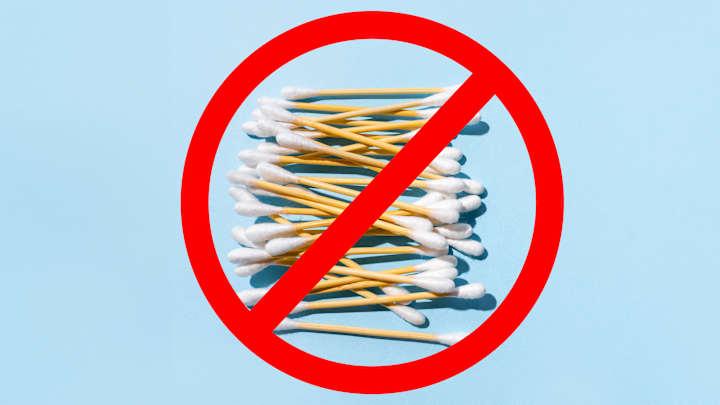
Using cotton swabs to clean your ears is a common practice for many individuals around the world. It's quick, convenient, and seems like an effective way to remove earwax. However, medical professionals increasingly caution against using cotton swabs for ear cleaning due to the significant risks they pose. Contrary to popular belief, these small tools can do more harm than good. This article explores the hidden dangers of using cotton swabs to clean your ears and why it’s essential to rethink this widespread habit.
A key misconception about cotton swabs is that they help remove excess earwax, but in reality, they often push the wax deeper into the ear canal instead. The ear is designed to naturally expel earwax, a process that occurs through the normal movements of the jaw, such as chewing and talking. However, when a cotton swab is inserted into the ear canal, it can easily push the wax further inside, where it can become impacted.

Impacted earwax can result in a number of uncomfortable symptoms, such as a feeling of fullness in the ear, difficulty hearing, dizziness, earaches, and even ringing in the ears (tinnitus). In some cases, this buildup may require medical intervention, such as irrigation or manual removal by a healthcare professional. Therefore, using cotton swabs to clean your ears can inadvertently cause more problems than it solves, especially when the earwax becomes lodged deep within the canal.
The ear canal and eardrum are sensitive and delicate parts of the body. While a cotton swab may seem like a harmless tool, inserting it into the ear canal can cause serious injury. The ear canal is lined with delicate skin, and pushing a cotton swab too far into the ear can cause abrasions or cuts. The Dangers of Using Q-Tips for Earwax injuries can lead to infection, bleeding, and discomfort.
More concerning is the risk of puncturing the eardrum. The eardrum, also known as the tympanic membrane, is thin and fragile, and a forceful insertion of a cotton swab can cause it to rupture. A ruptured eardrum is not only incredibly painful but also potentially harmful to your hearing. It may require medical attention to treat, and in some cases, the damage could be permanent, leading to long-term hearing loss. The eardrum’s role in the auditory process is critical, so any injury to this structure can have lasting consequences.

Your Ears Are Self-Cleaning
One of the most important facts to keep in mind is that your ears are self-cleaning. The human body is highly efficient, and the ear canal is no exception. The production of earwax, or cerumen, is a natural process designed to protect the ear. Earwax traps dirt, dust, and other foreign particles, preventing them from reaching the delicate structures deeper in the ear. Doctors Warn Against Ear Insert
As part of the ear’s self-cleaning mechanism, earwax naturally moves from the inner ear canal to the outer ear, aided by jaw movements like chewing and talking. Once the wax reaches the outer ear, it dries out and flakes away, leaving your ear clean and free of debris. This natural process means that the vast majority of people do not need to clean their ears with cotton swabs or any other tools.
By attempting to clean your ears with cotton swabs, you are likely interfering with this natural cleaning process. Instead of promoting health, you are disrupting the body's ability to clear out earwax naturally.
Although many people associate earwax with something unpleasant that needs to be removed, earwax actually serves several important functions that contribute to ear health. Earwax acts as a protective barrier, shielding the ear canal from harmful bacteria, fungi, and other pathogens. Its natural antimicrobial properties help to prevent infections in the ear canal, which could lead to conditions like otitis externa (swimmer’s ear).

Moreover, earwax helps to lubricate the ear canal, preventing it from becoming dry or itchy. It also serves as a natural cleanser by trapping small particles of dirt and debris that could otherwise cause damage. Removing earwax too frequently with cotton swabs or other objects can compromise this protective layer, increasing the risk of irritation, infection, or inflammation within the ear canal.
If you feel that you have excessive earwax or experience symptoms like fullness or hearing loss, it is best to seek medical advice rather than attempting to clean your ears yourself. If earwax buildup is an issue, doctors often recommend using over-the-counter ear drops that soften the wax and facilitate its removal. These drops are generally safe and effective for softening the wax so that it can be naturally expelled by the body.
For individuals who require more intensive ear cleaning, a healthcare provider can perform professional ear cleaning using specialized instruments. This method is safe, effective, and ensures that the ear canal is cleaned properly without causing any harm or damage.
For routine ear hygiene, simply cleaning the outer ear with a soft cloth or tissue is sufficient. You should avoid inserting anything into the ear canal, including cotton swabs, hairpins, or other objects. If you are unsure whether your earwax needs to be removed, it’s always a good idea to consult a healthcare professional before taking any action.
While using cotton swabs to clean your ears might seem like a simple and effective solution, the risks far outweigh the perceived benefits. Cotton swabs can push earwax deeper into the ear canal, cause serious injuries, and disrupt the ear's natural cleaning process. Earwax plays a crucial protective role in maintaining ear health, and removing it too aggressively can lead to unnecessary complications.
To keep your ears healthy, it's important to trust your body’s natural cleaning process and avoid inserting anything into the ear canal. If you have concerns about earwax buildup or experience symptoms like pain or hearing loss, consult with a medical professional for safe and effective treatment options.By following these guidelines, you can protect your ears and ensure that they remain healthy for years to come.
Leading the way in health excellence through innovation, expertise, care and support.