1 year ago


Posted 1 year ago 834 views 5 mins read
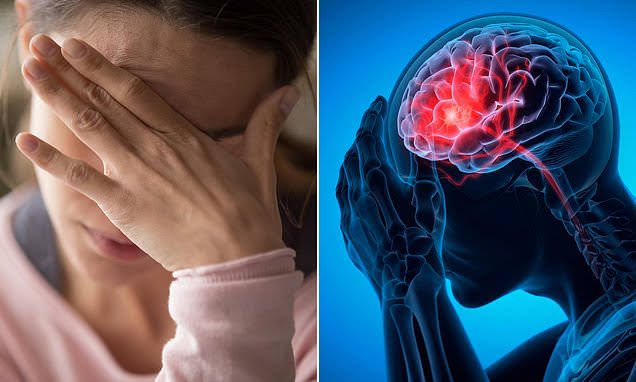
Headaches are among the most common complaints in medicine, affecting nearly everyone at some point. Most people treat them as minor inconveniences, taking a painkiller and moving on. But in rare and alarming cases, headaches can be an early warning sign of life-threatening conditions. Some individuals experience recurring head pain, manage it with medication, feel better, and then shockingly suffer sudden medical collapse or death. What’s going on beneath the surface? Understanding the science behind serious headache causes can be life-saving.
According to a study published in The Lancet Neurology , about 4% of emergency department visits for headaches are linked to serious secondary causes, such as brain hemorrhages, tumors, or infections. While that number might seem small, the consequences are severe if missed. The study emphasized that certain “red flag” headache symptoms are commonly overlooked, especially when patients rely solely on over-the-counter painkillers.
Painkillers relieve symptoms temporarily but don’t treat or identify the root cause. If the underlying condition worsens silently, a headache might be the only early clue before a serious event like stroke or death occurs.

When people take paracetamol, ibuprofen, or stronger prescription medications to control headache pain, they may feel better but that relief can create a false sense of security. Recurrent headaches, especially if they change in pattern or intensity, can signal serious pathology. In a report by the American Academy of Neurology, physicians warn that masking symptoms with medication can delay diagnosis of conditions such as subarachnoid hemorrhage, which often starts as a severe headache before sudden collapse. Medication overuse headaches
What’s troubling is that some life-threatening conditions show no other symptoms until the headache becomes unbearable or it's too late.

Headaches caused by dangerous underlying issues are known as secondary headaches. These are not caused by stress, dehydration, or fatigue, but by structural or chemical changes in the brain or body. Some examples include:
1.Aneurysms: A bulging blood vessel in the brain may cause a headache days or weeks before it ruptures.
2.Brain tumors: Pressure from growing masses can cause persistent, worsening headaches often worse in the morning.
3.Hypertensive crises: Extremely high blood pressure can cause throbbing headaches, particularly in the back of the head.
4.Meningitis: A bacterial or viral infection in the brain's lining causes severe headache, neck stiffness, and fever.
5.Stroke: Sudden, intense headaches are sometimes a sign of an impending or ongoing stroke, especially if paired with neurological symptoms.
These examples show why a headache should never be dismissedespecially if it behaves abnormally.
Medical professionals emphasize the importance of recognizing symptoms that suggest a headache may be a sign of a more serious issue. According to the Mayo Clinic and WHO guidelines Headache red flags , you should seek urgent care if you experience:
A sudden, severe headache unlike any before (“thunderclap headache”)
•Headaches with nausea, confusion, or fainting
•New or worsening headaches over time
•Headaches triggered by coughing, sneezing, or exertion
•Headaches that disturb sleep or worsen in the morning
•Headaches following head injury
These signs are not to be taken lightly. In some cases, rapid imaging (like a CT scan or MRI) can detect issues early enough for effective intervention.

While occasional headaches may not require emergency care, recurring or intense ones deserve medical attention. Here are science-backed steps to protect your health:
• Track your symptoms: Use a headache journal or app to log pain location, severity, duration, and triggers.
• Get medical evaluation early: Don’t wait until it gets worse. A clinical exam and brain imaging may be necessary.
• Avoid overusing painkillers: Chronic use of painkillers can cause rebound headaches and mask serious causes.
•Improve lifestyle factors: Sleep hygiene , hydration, stress reduction, and screen breaks can reduce the risk of benign headaches.
• Know your personal risk: People with high blood pressure, family history of stroke, or recent trauma should be extra cautious.
Science tells us that headaches can be a symptom, not just a condition. Temporary relief from painkillers can give the illusion of health but beneath that silence, a serious medical condition may be unfolding. Listening to your body, recognizing the warning signs, and getting timely medical care can be the difference between recovery and tragedy.

Leading the way in health excellence through innovation, expertise, care and support.