

Posted 1 year ago 822 views 8 mins read
"Sitting is more dangerous than smoking, kills more people than HIV, and is more treacherous than parachuting," claims Dr. James A. Levine, a renowned expert in obesity research. Sounds dramatic, right? But the science behind it is undeniable. Prolonged sitting something many of us do every single day is slowly eroding our health in ways that we’re only just beginning to understand. And here's the kicker: you might be doing it right now as you read this. Whether you're working, commuting, or relaxing, the hours spent seated are taking a toll on your body and your life expectancy. So, what's the solution? Well, the good news is that it's not all doom and gloom. With a few simple changes to your daily habits, you can protect your health and mitigate the risks that come with a sedentary lifestyle. Let’s dig into the science of why sitting is so harmful, and more importantly, what you can do about it starting right now!
Sitting might seem like a harmless activity, especially when you're working, relaxing, or commuting. However, what’s happening to your body when you’re seated for hours on end is far from innocent.
When you sit for extended periods, your metabolism goes into what can be called "shutdown mode." Your body burns fewer calories, and the flow of blood to your muscles and organs slows down. That might sound like a small issue, but it adds up over time. It’s the small, cumulative effect of sitting that leads to bigger health problems, like obesity, heart disease, and even cancer.

The longer you sit, the harder it becomes for your body to circulate blood effectively. Your circulation slows down, which means fewer nutrients and oxygen reach your muscles, organs, and tissues. This not only results in poor physical performance but can lead to serious issues like varicose veins, deep vein thrombosis (DVT) , and chronic pain in the back and legs.

By spending extended hours sitting, you're depriving your body of its natural movement, which is essential for keeping your circulatory system in top shape.
When you sit too long, your body's ability to break down fat and regulate blood sugar is compromised. Lipoprotein lipase (LPL) an enzyme that helps clear fat from the bloodstream is significantly reduced. This means fat accumulates in your body and can contribute to obesity, cardiovascular disease, and .Type 2 diabetes
Even if you exercise regularly, the damage caused by sitting for long periods can’t be undone by a workout alone. It’s an issue that requires consistent movement throughout your day to counteract.
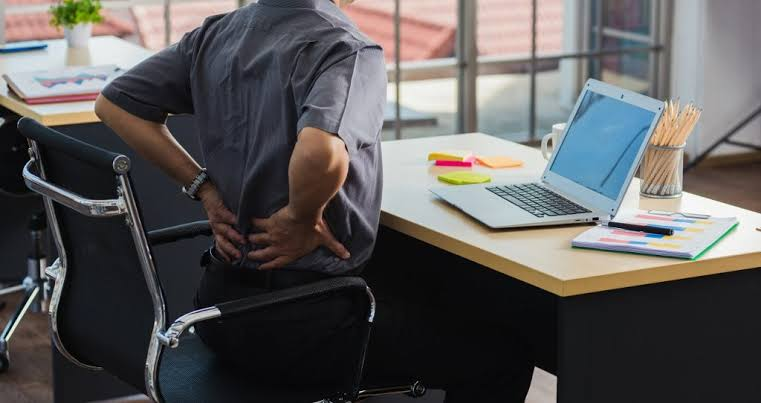
It’s no secret that sitting for long hours can lead to aches and pains. But what many don’t realize is how this affects your posture. When you sit, especially in poor posture, you're putting strain on your spine and joints. Over time, this leads to muscle imbalances, weakened core muscles, and chronic pain particularly in the neck, lower back, and hips.

Sedentary workers are at a higher risk of developing musculoskeletal issues, which are responsible for a significant number of workplace injuries and missed days of work.
We often focus on the physical toll sitting takes, but the mental impact is just as important. Long periods of inactivity can contribute to feelings of stress, anxiety, and depression. Physical activity releases endorphe hormones that elevate mood. Sitting, however, doesn’t stimulate the body in the same way, leading to a lack of energy and motivation. Over time, this can result in mental burnout, fatigue, and reduced cognitive function.
The science is clear: sitting too much is linked to a wide range of health risks. Let’s break down some of the most alarming findings:
Sitting for long periods has been consistently linked to an increased risk of heart disease. In fact, studies have shown that for every additional hour spent sitting, the risk of heart disease increases by 18%. The lack of movement impairs blood flow, elevates blood pressure, and raises cholesterol levels all key contributors to cardiovascular disease.
Even if you exercise regularly, sitting for the rest of the day can offset those health benefits. Sitting for extended periods is a major factor in the development of coronary artery disease and heart attacks.
The sedentary lifestyle is one of the leading causes of weight gain and obesity. When you sit, you burn far fewer calories than if you were standing or moving. Over time, this leads to an accumulation of excess fat, particularly in the abdomen. Abdominal fat is the most dangerous kind, as it is associated with insulin resistance, high cholesterol, and an increased risk of diabetes.

The more you sit, the fewer calories your body burns and the more likely you are to gain weight.
Yes, sitting for too long can even increase your risk of developing certain cancers. Research has shown that people who sit for long periods have a higher risk of colorectal, endometrial, and lung cancers. Sitting for prolonged periods is believed to increase levels of inflammatory markers and hormones, such as insulin and estrogen, which promote the growth of cancer cells.
Sitting for hours on end is directly linked to the development of Type 2 diabetes. The longer you stay seated, the more your insulin resistance increases. This means your body’s cells become less responsive to insulin, causing blood sugar levels to rise. Over time, this contributes to the development of diabetes and its associated complications.
One of the most shocking findings from research on sitting is the link to early death. Studies have found that for each additional hour spent sitting, life expectancy is reduced by approximately 22 minutes. This makes prolonged sitting a major contributor to the global burden of disease and premature death.
So, what can we do about it? Fortunately, there are several actionable steps you can take to reduce the negative effects of sitting. The key is regular movement and breaking up long periods of sedentary behavior.
Set a timer to remind yourself to stand up every 30 minutes. Even a quick five-minute walk around the office or home can do wonders. If you’re busy, try standing while taking phone calls or using the bathroom as an opportunity to move.
Standing desks are becoming increasingly common, and for good reason. These desks allow you to alternate between sitting and standing, reducing the amount of time spent in a sedentary position. If a standing desk is out of reach, try placing your laptop on a high surface or using a stack of books to create a makeshift standing workstation.
If you have a sedentary job, take time to go for a walk during your lunch break. Even a 10-minute walk can make a significant difference. Walking helps improve circulation, boosts energy levels, and burns calories, all while reducing the negative effects of sitting.
Stretching is essential for counteracting the stiffness and discomfort that come from sitting for too long. Incorporate stretches into your routine, especially for your back, hips, and legs. Consider taking a few minutes at the top of each hour to do some simple stretches to keep your muscles flexible.
Make exercise a non-negotiable part of your daily routine. Aim for at least 150 minutes of moderate-intensity activity per week, including strength training and aerobic exercise. Regular physical activity helps to counteract the effects of sitting, improve cardiovascular health, and maintain a healthy weight.
If you're looking for an advanced solution, consider investing in a treadmill desk. These desks allow you to walk slowly while you work, which can significantly improve circulation and keep you active throughout the day. While it may take some time to adjust, the benefits to your health are worth the effort. Why prolonged sitting is the new smoking?
The risks associated with prolonged sitting are clear, but the good news is that you don’t have to be a victim of this silent killer. By incorporating simple changes into your daily routine such as taking regular breaks, using a standing desk, and exercising regularly you can protect your health and reduce the long-term consequences of sitting.
It’s time to make movement a priority in your daily life. The longer you sit, the more your health suffers. But with a little effort, you can reverse the damage and create healthier, more sustainable habits. Your body will thank you, and your future self will be grateful for the steps you took today to safeguard your well-being.
Leading the way in health excellence through innovation, expertise, care and support.