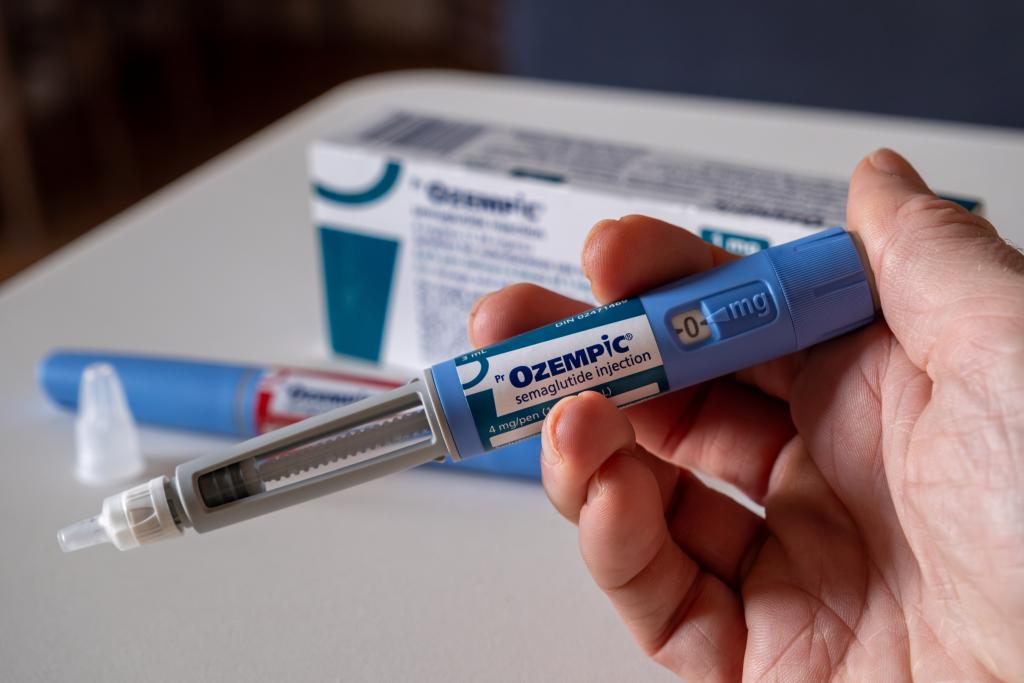
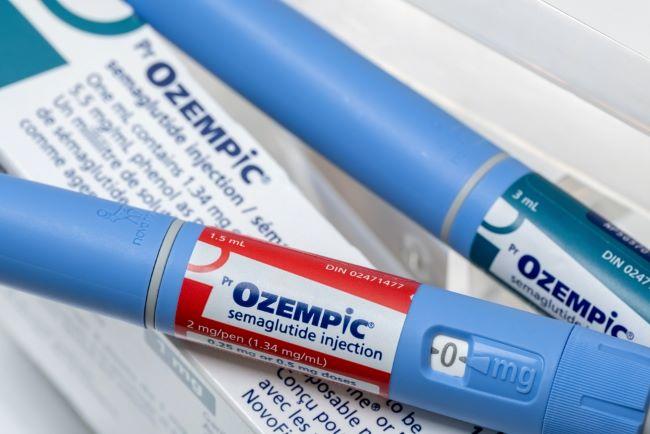
Over 650 million people worldwide are living with obesity. That’s not just a number it’s a crisis that increases the risk of diabetes, heart disease, infertility, and even cancer. Now imagine a medication that not only helps control blood sugar but also leads to sustained, clinically significant weight loss. That’s where Ozempic enters the scene. Originally designed to treat type 2 diabetes, Ozempic is quickly gaining attention for a different reason: its powerful impact on body weight. But before anyone rushes to get a prescription, there are important facts and risks you should understand.
What Is Ozempic, Really?
Ozempic (generic name: semaglutide) is a prescription injection given once a week. It was originally created to help people with type 2 diabetes lower their blood sugar. It works by mimicking a hormone in the body that helps regulate blood sugar levels and appetite.
Who Is Ozempic For?
This medication isn’t for everyone and that’s a good thing. Responsible prescribing is key.
You may be a candidate if:
•You have type 2 diabetes and need better blood sugar control.
•You have a BMI of 30 or higher (or 27+ with conditions like hypertension).
•You’ve tried diet and exercise with limited success.
•You’re under the care of a healthcare provider who can monitor you.
But let’s be clear: Ozempic is not a cosmetic weight loss tool. It’s a medical treatment for a serious health issue. Always get medical advice before starting it.
What Are the Side Effects?
Like all medications, Ozempic has its risks. The most common side effects are related to the stomach.
Common side effects:
•Nausea
•Diarrhea or constipation
•Bloating
•Fatigue
These often improve over time, especially if the dose is started low and increased gradually.
Rare but serious risks include:
•Pancreatitis
•Gallbladder problems
•Thyroid tumors (in animal studies not confirmed in humans)
If you’ve had thyroid cancer in your family, Ozempic is not for you. It’s also not suitable for people with type 1 diabetes or women who are pregnant or planning to become pregnant.
How to Use Ozempic Safely
Here’s how to make the most out of Ozempic if your doctor prescribes it:
1.Start low, go slow Most patients begin with 0.25 mg per week and work up to higher doses.
2.Take it on the same day each week Consistency matters.
3.Stay hydrated Especially if you feel nauseated.
4.Eat smaller, protein-rich meals Helps reduce side effects and improve results.
5.Track your progress Use a food log, weight tracker, or health app.
Also, don’t forget to combine it with healthy habits. Ozempic works better when paired with balanced eating, regular movement, and sleep.
Final Word: Is Ozempic Worth It?
Ozempic isn’t a silver bullet. But it is a powerful clinical tool that’s helping thousands of people improve their health, regain energy, and prevent life-threatening complications tied to obesity and diabetes.
If you’re considering Ozempic, talk to your doctor. Get evaluated. Ask the right questions. Make sure you’re getting it from a trusted source not social media hype or unregulated sellers.