

Posted 1 year ago 1576 views 5 mins read
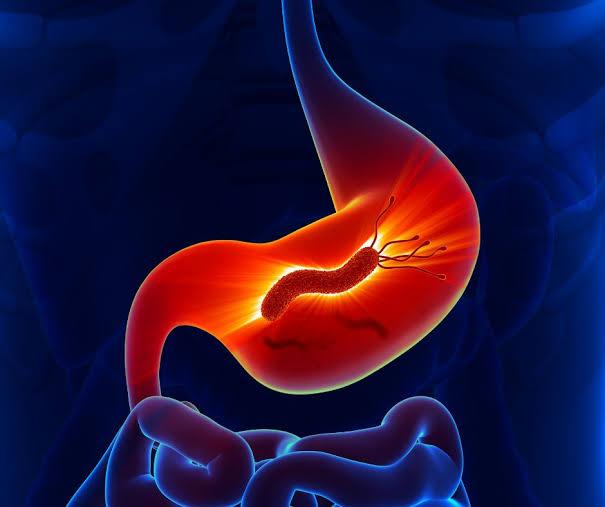
H. pylori is a tough little bacterium. It thrives in one of the most acidic places in the human body: your stomach. Its spiral shape isn’t just for looks it uses that form to drill deep into the protective lining of the stomach wall, hiding from the immune system and shielding itself from stomach acid. Then, it produces an enzyme called urease, which neutralizes acid around it, creating a small safe zone where it can survive, multiply, and wreak havoc quietly over time. The real problem? You may not feel a thing for years. Many people with H. pylori live their whole lives without a single symptom. But for others, this tiny microbe causes painful ulcers, long-term inflammation, or worse stomach cancer.
Many cases of H. pylori go unnoticed. But when symptoms appear, they often look like common stomach complaints and that’s what makes diagnosis tricky. You might feel a burning sensation in your upper abdomen, especially between meals. Maybe you’ve noticed bloating, nausea, frequent burping, or a loss of appetite. These aren’t random annoyances, they’re warnings. If left untreated, this infection can create open sores in your stomach or upper intestine called peptic ulcers and significantly increase your risk of gastric cancer.

Some people brush off the signs or mask the discomfort with over the counter antacids. That’s a mistake. Because once the bacteria dig in, they don’t leave on their own. They must be treated.
If you’ve had persistent stomach pain or ulcer like symptoms, it’s time to test for H. pylori. Modern medicine makes it easy. The most accurate method? The urea breath test. It’s quick, painless, and detects the enzyme activity unique to H. pylori. Stool tests also work well, especially for follow up after treatment. In more serious cases, your doctor may suggest an endoscopy to get a biopsy directly from the stomach lining. The key is not to delay testing. Early diagnosis equals faster treatment, better outcomes, and fewer complications.

Treating H. pylori is all about precision. Doctors typically prescribe a combination of two antibiotics and a proton pump inhibitor (PPI). Why? Because one antibiotic isn’t enough. The bacteria are well protected inside the stomach lining, and reducing acid levels helps the antibiotics work better. Treatment usually lasts 10 to 14 days. It's crucial to follow the regimen exactly, no skipping doses, no stopping early. Otherwise, the bacteria may become resistant, forcing you into a second, more aggressive round of therapy.
In resistant cases, a four drug regimen may be necessary, including bismuth and other specialized antibiotics. It’s not just about feeling better, it’s about clearing the infection completely and reducing the risk of it coming back stronger.
There’s no vaccine for H. pylori, at least not yet. So prevention is all about hygiene and awareness. Clean water, proper handwashing, and safe food handling practices are your first lines of defense. Avoid sharing utensils, cups, or toothbrushes, especially in homes where infection is suspected. In high risk environments, public health systems play a critical role in improving sanitation and reducing exposure.

That said, you can’t control everything. That’s why routine checkups, awareness of your symptoms, and timely testing matter. Prevention is about minimizing risk, but detection is about taking back control.
If your stomach has been bothering you for weeks or months, it’s time to stop guessing. H. pylori is silent, but it’s dangerous. It’s not just “something you ate.” It’s not “just stress.” It could be a chronic infection damaging your digestive system from the inside out.
The good news? You can beat it. Diagnosis is simple. Treatment works. Relief is possible. You just have to take the first step and get tested.
Leading the way in health excellence through innovation, expertise, care and support.