

Posted 1 year ago 431 views 8 mins read
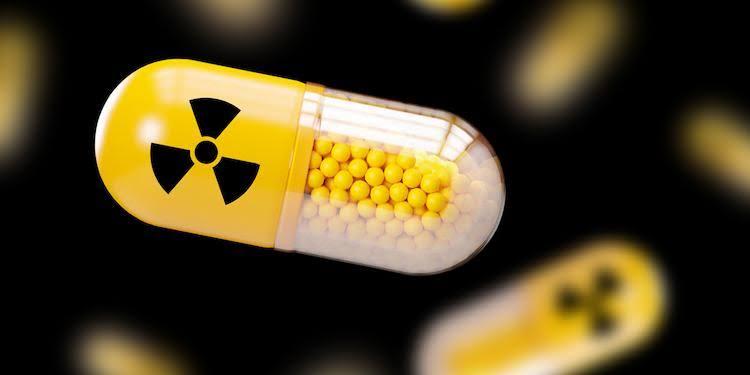
Radiopharmaceuticals are specialized medicinal preparations that contain a radioactive isotope and play a vital role in the field of nuclear medicine. Unlike traditional medications, their action is based not only on pharmacological effects but also on the radiation emitted by the radionuclide they carry. These agents are designed to precisely target specific organs or tissues, providing clinicians with accurate diagnostic information or delivering focused therapeutic radiation.
A radiopharmaceutical consists of two parts a radionuclide and a pharmaceutical carrier. The radionuclide releases radiation, while the carrier directs this radiation to the desired part of the body. Most radiopharmaceuticals are administered through intravenous injection, although oral and inhalation routes may also be used. Once in the body, the drug travels to its target site and begins to emit radiation in a controlled manner.
In diagnostic imaging, radiopharmaceuticals emit gamma rays or positrons that can be detected by scanners such as SPECT (Single Photon Emission Computed Tomography) and PET (Positron Emission Tomography). This enables healthcare professionals to produce highly detailed images of organs and tissues. For example, technetium-99m is commonly used in bone, kidney, and heart scans, while fluorine-18 is widely used for detecting cancer cells due to their high rate of glucose metabolism.

Radiopharmaceuticals are also used in the treatment of certain diseases, particularly cancers . In these cases, the agents emit beta or alpha particles that damage and destroy abnormal cells. Iodine-131 is a classic therapeutic radiopharmaceutical that is selectively absorbed by the thyroid gland and used to treat thyroid cancer and hyperthyroidism. Newer agents, such as yttrium-90 and lutetium-177, are now used to treat liver tumors and neuroendocrine cancers with great precision and minimal side effects.
Even though radiopharmaceuticals contain radioactive material, they are considered safe when handled correctly. The radioactive isotopes used often have short half-lives, which means they decay quickly and reduce the duration of radiation exposure. Healthcare providers follow strict safety protocols during preparation, administration, and disposal in order to protect both patients and medical staff.

Radiopharmaceuticals represent a significant advancement in modern medicine by combining targeted drug delivery with the diagnostic and therapeutic capabilities of radiation. They allow for early detection of disease and enable precise treatment of conditions such as cancer with minimal harm to surrounding healthy tissue. As technology and research continue to evolve, radiopharmaceuticals will play an increasingly important role in improving patient outcomes.
Leading the way in health excellence through innovation, expertise, care and support.