1 year ago


Posted 1 year ago 429 views 5 mins read
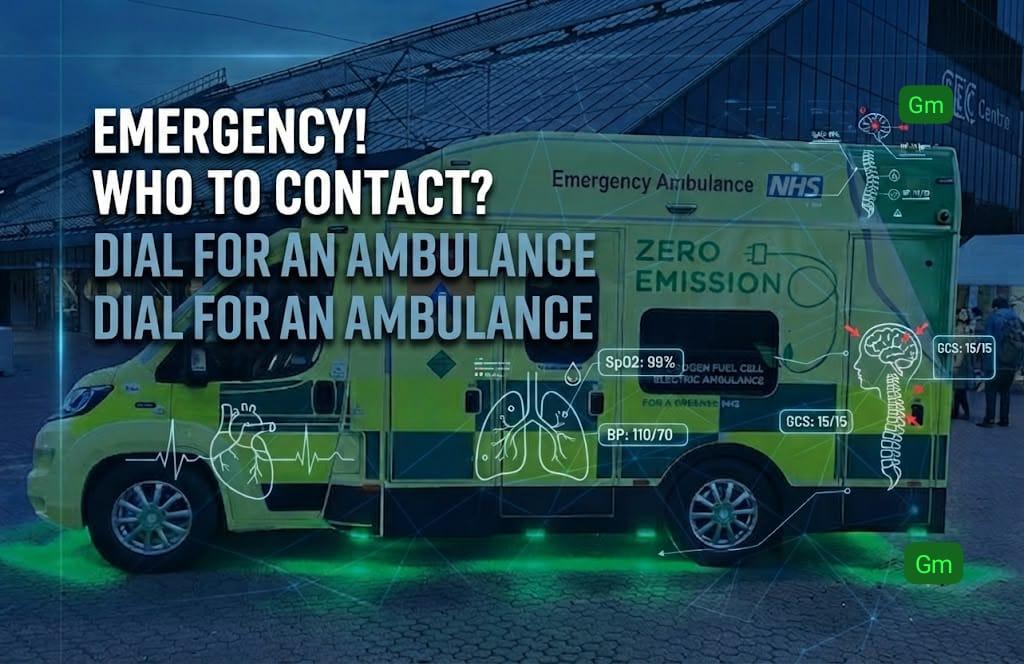
“Every second counts.” That’s not just a phrase it’s a hard truth in emergencies. According to the World Health Organization, timely emergency response can reduce deaths from trauma and heart attacks by up to 25%. Think about that for a moment. Twenty-five out of every hundred lives could be saved simply by calling for help at the right time. But here’s the challenge: many people hesitate. Some fear “overreacting,” while others aren’t sure if their situation is truly urgent. The result? Dangerous delays that can turn treatable situations into tragedies.
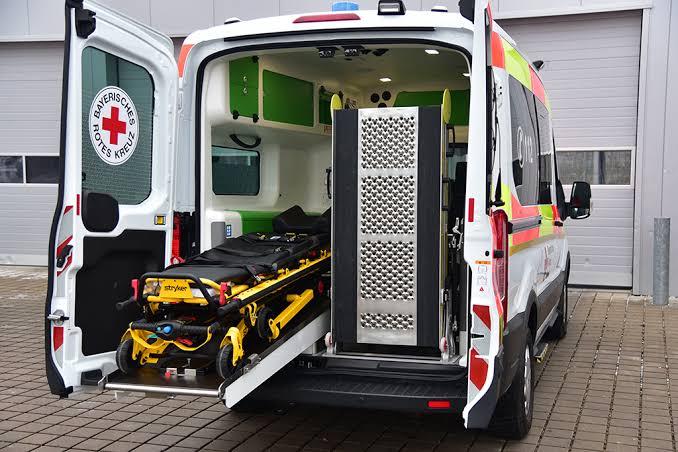
An ambulance isn’t just a vehicle with flashing lights. It’s a mobile emergency room equipped with oxygen, defibrillators, advanced monitoring systems, and trained paramedics who can stabilize a patient before they even reach the hospital. In fact, research shows that patients who receive pre-hospital care during cardiac arrest have a 2 to 3 times higher survival rate compared to those who wait until arrival at the ER.
That’s the real power of an ambulance: it buys time, and in emergencies, time is life.

Read also : The Power-PRO Stretcher Revolutionizing Emergency Patient Transport
So when exactly should you dial? Let’s break it down with everyday, relatable scenarios.

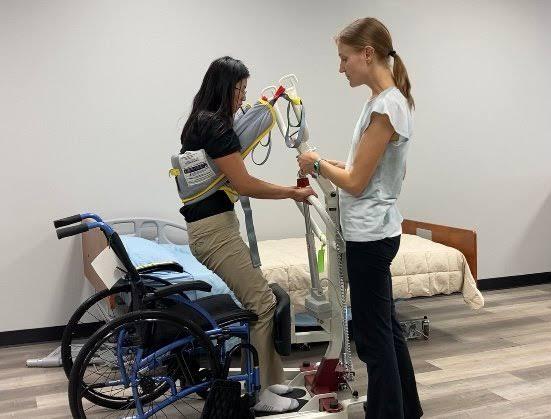
Read also : Lifting & Transfer Devices: Enhancing Safety and Mobility
Here’s a quick mental shortcut: if the situation feels life-threatening, fast-worsening, or beyond basic first aid, don’t gamble. Call an ambulance.
Not every country uses “911.” In Kenya, it’s 999 or 112. In the UK, it’s 999, while in much of Europe it’s 112. Saving these numbers in your phone can shave off precious seconds in a crisis. Better yet, teach them to your family especially children. Emergencies don’t wait for adults to be around.

Dialing is only half the job. The way you communicate can shape how fast and how well responders act.
Here’s a simple structure:
1.Identify the emergency clearly (“There’s been a car accident; one person is unconscious”).
2.Give your exact location (use landmarks, street names, or share live GPS if possible).
3.Follow instructions dispatchers often guide you through first aid steps until help arrives.

Emergencies don’t just affect individuals they ripple across families, communities, and workplaces. That’s why learning basic first aid and recognizing the signs of major emergencies empowers you to bridge the gap before professional help arrives. Imagine being the person who keeps someone alive until paramedics step in. That’s not just help it’s heroism.

Calling an ambulance should never feel like an overreaction. The cost of hesitation can be far greater than the cost of making the call. Remember: emergencies don’t announce themselves politely they strike, and often without warning.
Leading the way in health excellence through innovation, expertise, care and support.