
Overview
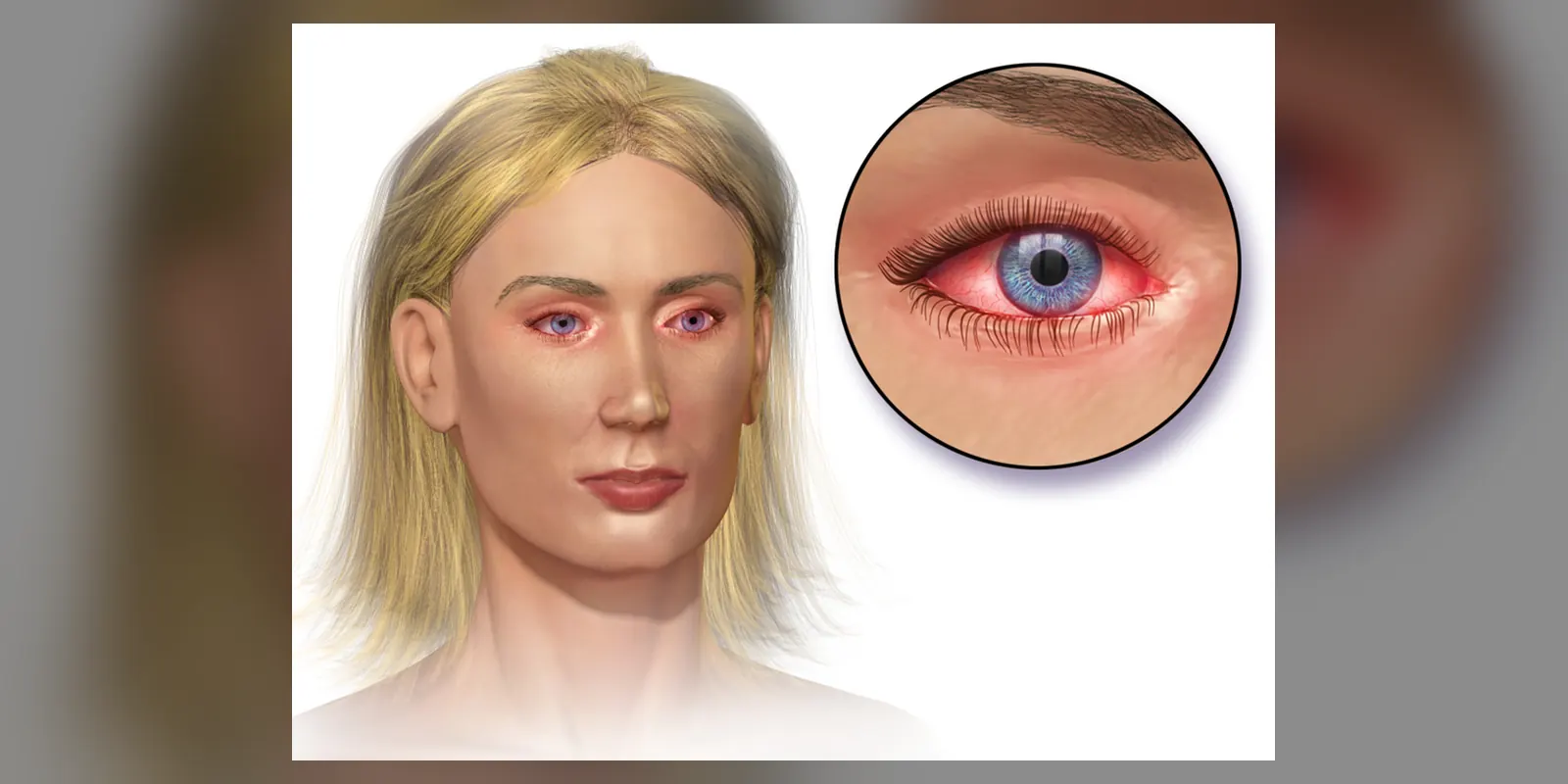
Allergic conjunctivitis is inflammation of the conjunctiva, the thin clear membrane that covers the white of the eye and lines the inside of the eyelids, caused by an allergic reaction. It typically makes both eyes itchy, red and watery, and often occurs together with hay fever (allergic rhinitis), asthma or eczema.
It is very common, affecting up to a third of people at some point. Seasonal forms flare in spring and summer when pollen counts are high, while perennial forms continue all year because of dust mites, pet dander or mould. Allergic conjunctivitis is not contagious and does not damage vision in its usual forms, but it can be very uncomfortable and disrupt sleep, work and school. Avoiding triggers and using antihistamine or mast cell stabiliser eye drops usually controls symptoms well.
When to get urgent help
Seek urgent eye care for eye pain, reduced or blurred vision, strong light sensitivity, a white spot on the cornea, or symptoms after a chemical splash.
Causes and risk factors
- Pollen from grasses, trees and weeds (seasonal allergic conjunctivitis)
- House dust mites (perennial allergic conjunctivitis)
- Pet dander from cats, dogs and other animals
- Mould spores
- Cosmetics, eye drops and contact lens solutions (contact allergy)
- Contact lenses, which can cause giant papillary conjunctivitis
Risk factors include a personal or family history of allergies, asthma or eczema (atopy), living in areas with high pollen counts, and young age; it is most common in children and young adults.
How it develops (pathophysiology)
Normal defences of the eye surface
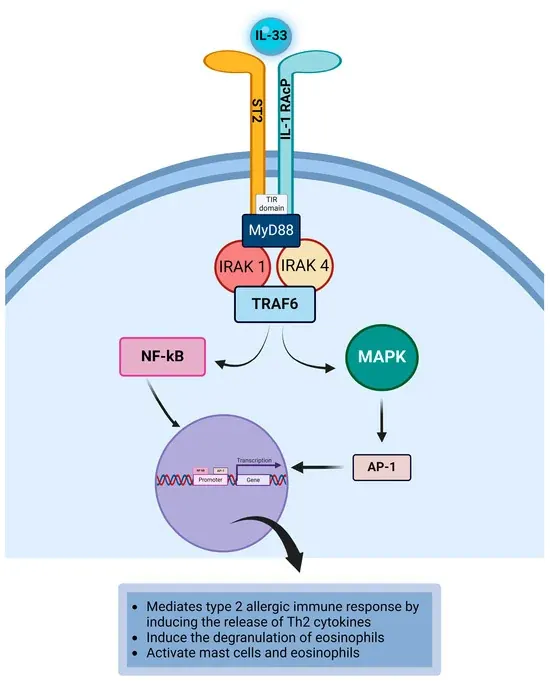
The conjunctiva is exposed directly to the air, so it constantly meets pollen, dust and other particles. It is protected by the tear film, which washes particles away, by blinking, and by immune cells in the conjunctiva, including mast cells. Mast cells contain granules packed with chemical messengers such as histamine. In most people, harmless particles such as pollen do not trigger a reaction.
What goes wrong
Allergic conjunctivitis is a type I (immediate) hypersensitivity reaction. In people with an allergic tendency:
- Sensitisation: on first exposure, the immune system wrongly treats an allergen, such as a pollen protein, as harmful. Antigen-presenting cells pass it to T helper 2 (Th2) cells, which release signals such as interleukin-4 and interleukin-13. These prompt B cells to produce immunoglobulin E (IgE) specific to that allergen.
- IgE attaches to receptors on the surface of mast cells in the conjunctiva, "arming" them.
- Early-phase reaction: on later exposure, the allergen dissolves in the tear film and binds to IgE on mast cells. Within minutes, mast cells degranulate, releasing histamine, tryptase, prostaglandins and leukotrienes.
- Late-phase reaction: over the next 6 to 24 hours, mast cells and Th2 cells release further signals that attract eosinophils and other immune cells, which prolong and intensify inflammation.
Why the symptoms happen
- Itching, the hallmark symptom, is caused by histamine stimulating H1 receptors on nerve endings in the conjunctiva.
- Redness results from histamine and prostaglandins widening the small blood vessels.
- Watery eyes occur as nerve stimulation increases tear production and leaky vessels add fluid.
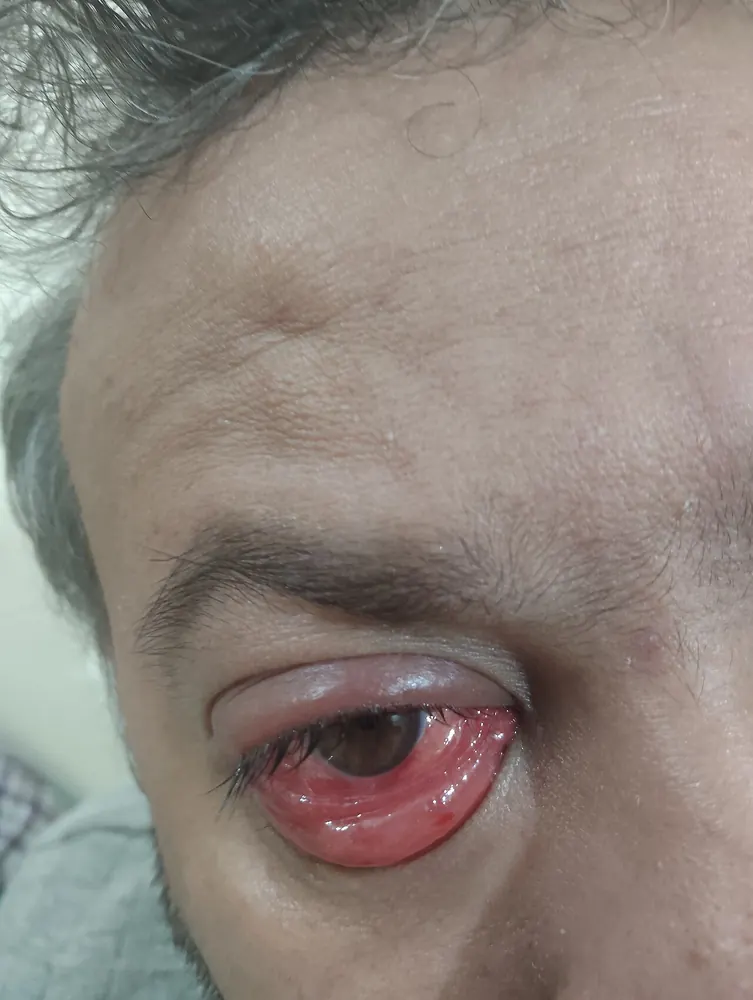
- Swollen eyelids and conjunctiva (chemosis) reflect fluid leaking from blood vessels into the loose tissue.
- Stringy mucus discharge results from increased mucus production by goblet cells.
- Associated sneezing and runny nose occur because the same allergens trigger reactions in the nose, and tears drain into the nose through the tear ducts.
In chronic forms such as vernal and atopic keratoconjunctivitis, persistent Th2 inflammation and eosinophils cause thickening of the conjunctiva, large bumps under the upper eyelid (papillae), and damage to the cornea.
How treatment acts on the mechanism
Avoiding allergens prevents the reaction. Antihistamine drops block H1 receptors, quickly relieving itching. Mast cell stabilisers prevent degranulation and work best when used regularly before exposure. Dual-action drops do both. Steroid drops suppress the late-phase inflammation in severe cases. Allergen immunotherapy gradually retrains the immune system, shifting it away from the Th2 and IgE response.
Types
- Seasonal allergic conjunctivitis: linked to pollen; the most common form
- Perennial allergic conjunctivitis: year-round, linked to dust mites, pets or mould
- Vernal keratoconjunctivitis: a more severe form in children and young people, often in warm climates
- Atopic keratoconjunctivitis: a chronic severe form in adults with eczema
- Giant papillary conjunctivitis: linked to contact lenses or eye prostheses
- Contact allergic conjunctivitis: caused by eye drops or cosmetics
Signs and symptoms
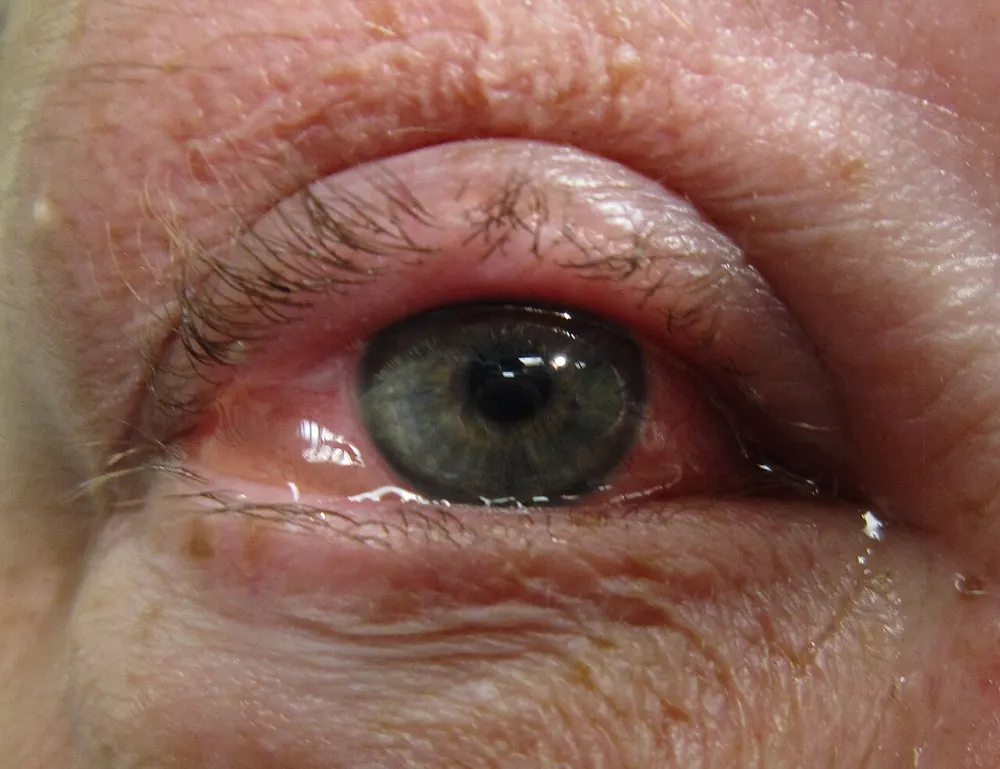
- Itchy eyes, often intensely
- Red eyes, usually both
- Watery eyes
- Swollen, puffy eyelids
- A gritty or burning feeling
- Stringy, white or clear discharge
- Sensitivity to light
- Sneezing, runny nose and itchy throat if hay fever is also present
Vision is usually normal. Pain, reduced vision or strong light sensitivity suggest a more serious problem.
How it is diagnosed
- History of itching, seasonal pattern, triggers and other allergies
- Eye examination, sometimes with a slit lamp, to check the conjunctiva and cornea
- Allergy testing (skin prick tests or blood tests for specific IgE) in persistent cases
- Eversion of the upper eyelid to look for papillae in vernal or giant papillary conjunctivitis
Possible complications
- Disturbed sleep, concentration and quality of life
- Infection from rubbing the eyes
- In severe vernal or atopic forms: corneal ulcers, scarring and reduced vision
- Steroid side effects with long-term use, including raised eye pressure (glaucoma) and cataract
Goals of treatment
Treatment aims to relieve itching and discomfort, prevent flare-ups, and protect the cornea in severe forms.
Medicines
- Antihistamine eye drops (such as olopatadine, ketotifen or azelastine)
- Mast cell stabiliser drops (such as sodium cromoglicate), started before the pollen season
- Oral antihistamines, especially when hay fever is also present
- Lubricating eye drops to wash away allergens
- Short courses of steroid drops under specialist supervision for severe cases
- Ciclosporin or tacrolimus drops for vernal and atopic keratoconjunctivitis
- Allergen immunotherapy for selected people with severe pollen or dust mite allergy
Other treatments
- Cool compresses on closed eyes
- Avoiding rubbing the eyes
- Removing contact lenses during flare-ups
- Wearing wraparound sunglasses outdoors during pollen season
Living with it and prevention
- Check pollen forecasts and stay indoors when counts are high
- Keep windows closed during peak pollen times
- Shower and change clothes after being outdoors
- Use dust mite-proof bedding covers and wash bedding hot weekly
- Keep pets out of the bedroom
- Avoid eye cosmetics that trigger symptoms
Monitoring and follow-up
Most people manage symptoms with over-the-counter treatments. People on steroid drops need regular eye pressure checks. Children with vernal keratoconjunctivitis are usually followed by an eye specialist until it settles.
Outlook
Allergic conjunctivitis is usually mild and well controlled. Seasonal forms return each year but often improve with age. Vernal keratoconjunctivitis usually settles after puberty.
Special considerations
- Children: vernal keratoconjunctivitis is more common and needs specialist care
- Contact lens wearers: may need daily disposable lenses or a break from lenses
- Pregnancy: discuss drop choices with a pharmacist or doctor