11 months ago


Posted 11 months ago 1173 views 12 mins read
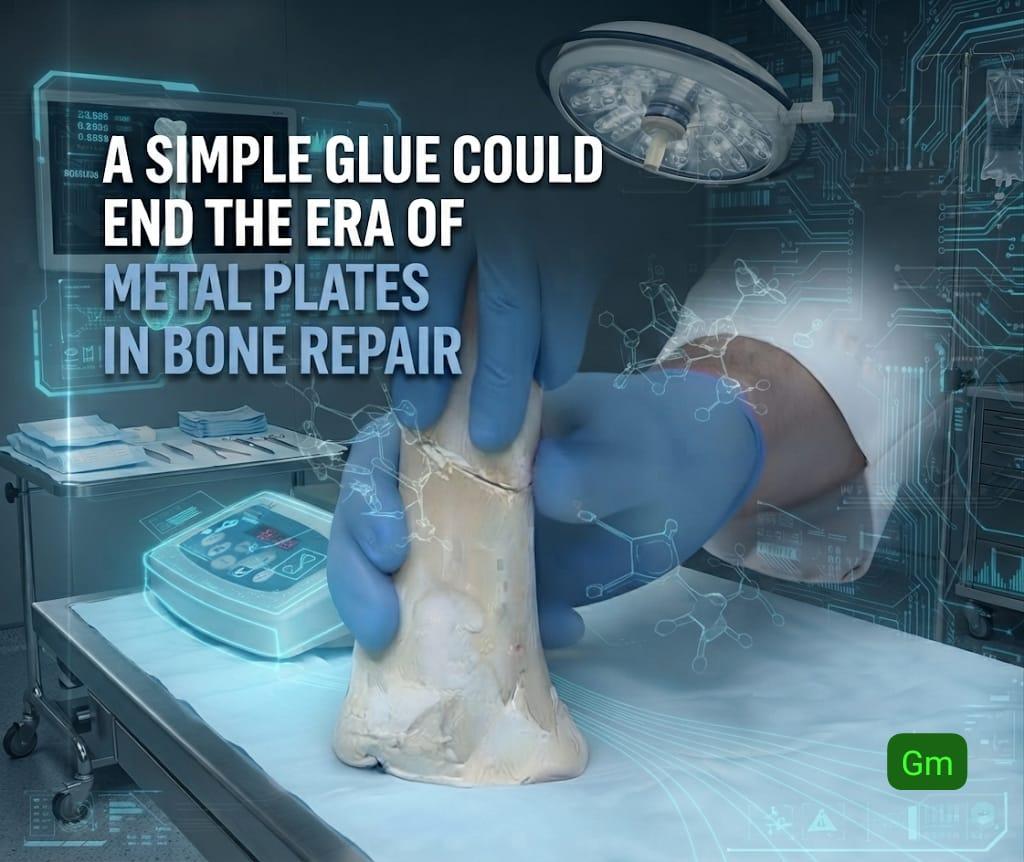
Imagine walking into an emergency room with a shattered wrist and walking out three minutes later with your bone fully repaired no metal plates, no screws, no second surgery. This isn't science fiction. Chinese researchers have just unveiled "Bone-02," a revolutionary adhesive that bonds broken bones faster than you can brew a cup of coffee, potentially rendering traditional orthopedic hardware obsolete New York Post. The breakthrough came from an unlikely inspiration: oysters clinging to underwater surfaces. While most of us see these mollusks as dinner, Lin Xianfeng, the lead researcher and associate chief orthopedic surgeon at Sir Run Run Shaw Hospital, saw the solution to one of medicine's most persistent challenges.
Current fracture treatment hasn't fundamentally changed in decades. When you break a bone, surgeons typically install metal plates and screws a process that requires large incisions, lengthy procedures, and often a second surgery for removal. The statistics paint a sobering picture: infection rates for metal implants range from 6.7% to 12.7%, with wound-healing problems affecting 21.5% of patients experiencing complications Journal of Latakia University.

But here's what really matters: these metal implants don't heal they simply hold broken pieces together while your body does the actual repair work. The hardware becomes a permanent foreign object, creating long-term complications that patients often don't anticipate.
Traditional bone healing with metal fixation typically takes 8 to 16 weeks or more, depending on severity. That's months of limited mobility, potential complications, and the constant presence of foreign material in your body.
The genius of Bone-02 lies in biomimicry copying nature's most effective solutions. Oysters produce a protein-rich bio-cement that creates incredibly strong bonds in wet, salty, constantly moving underwater environments. Unlike synthetic adhesives that fail in moisture, oyster glue thrives in these challenging conditions Interesting Engineering.
This natural adhesive forms chemical interactions with surfaces and hardens rapidly, creating bonds that resist both pressure and erosion. The Chinese research team essentially reverse-engineered this biological process to work inside the human body's equally challenging environment one that's moist, blood-rich, and in constant motion.

Here's where Bone-02 becomes truly remarkable. In clinical trials, the adhesive demonstrated a maximum bonding force exceeding 400 pounds, with a shear strength of 0.5 megapascals and compressive strength of 10 megapascals NDTV. To put this in perspective, that's enough strength to support significant mechanical stress while maintaining structural integrity.
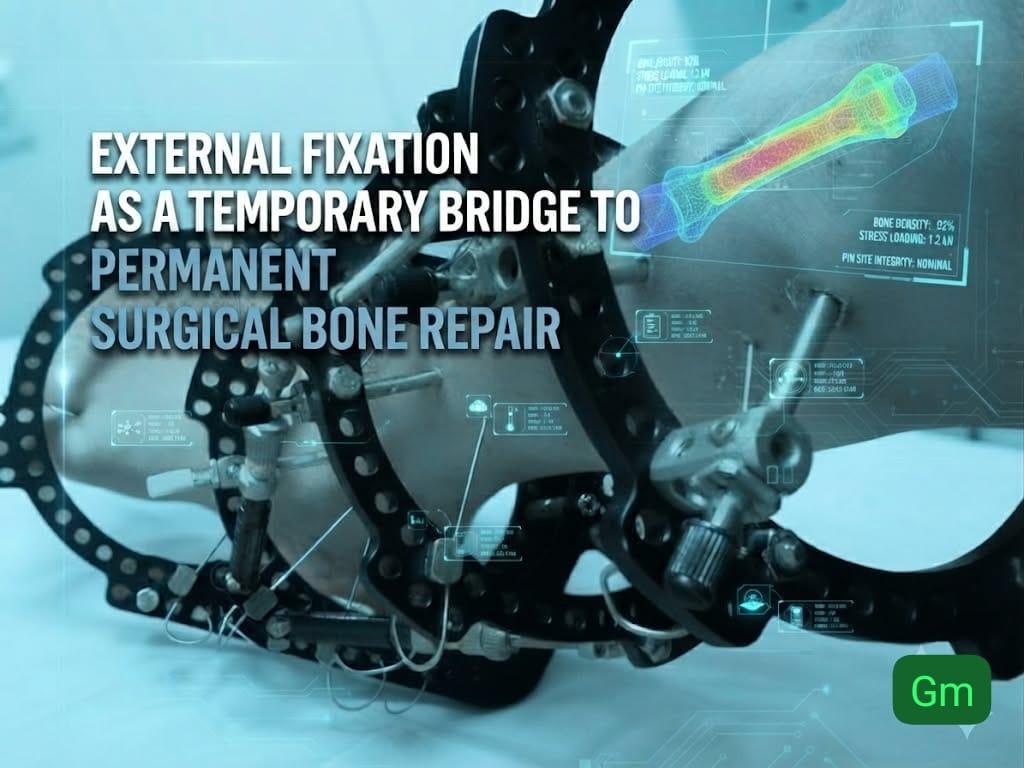
Read also : External fixation as a temporary bridge to permanent surgical bone repair
But strength is only part of the story. The real breakthrough is speed and biocompatibility. The adhesive bonds bone fragments in just three minutes, even in blood-rich environments where traditional adhesives fail completely. More importantly, it's biodegradable the body naturally absorbs it as the bone heals, eliminating the need for removal surgery.
In one documented case, a patient with a wrist fracture received treatment through a mere 3-centimeter incision. Three minutes later, the fracture was stabilized. Three months later, follow-up showed complete healing with no complications. Compare this to traditional treatment: a large incision, metal plates and screws, and a scheduled second surgery the following year for hardware removal.

The implications extend far beyond individual patient outcomes. Healthcare systems worldwide spend billions annually on orthopedic procedures and their complications. Every avoided second surgery represents significant cost savings and reduced patient risk. Every prevented infection saves both money and suffering.
Successfully tested in over 150 patients, Bone-02 has shown lower infection rates compared to metal hardware procedures. This isn't surprising the adhesive integrates naturally with bone tissue rather than remaining as a foreign object that bacteria can colonize.
The technology also opens doors to treating fractures that were previously considered too complex or risky for traditional methods. Shattered bones from high-impact accidents could potentially be "glued" back together rather than reconstructed with extensive hardware.
While Bone-02 represents a significant advancement, we're still in the early stages of this technology. Ongoing clinical trials will determine its effectiveness across different types of fractures and patient populations. Long-term studies are essential to understand how these biodegradable bonds perform over years rather than months.
The concept of bone adhesives isn't entirely new researchers have been pursuing this "holy grail" since the 1940s. Early attempts using gelatin, epoxy resins, and acrylates failed due to biocompatibility issues. What makes Bone-02 different is its biological inspiration and the decades of materials science advances that made its development possible.
As we stand on the potential threshold of this orthopedic revolution, one thing is certain: the days of permanent metal implants may be numbered. When nature has already solved the problem of underwater adhesion, perhaps the solution to bone repair was hiding in plain sight all along we just needed to look under the right rock.
The future of fracture treatment might be as simple as a single injection, completed in the time it takes to order coffee. That's a future worth healing for.
Leading the way in health excellence through innovation, expertise, care and support.