1 year ago


Posted 1 year ago 3049 views 5 mins read
Heart disease is the world’s leading killer, claiming 1 in every 5 lives.” World Health Organization .Let’s get one thing straight. When it comes to your heart, time isn't just money. It’s survival. Many people wonder: Why can’t I just take a medication to clear a 90% blockage in my artery? Why do I need a stent? Fair question. If we can dissolve kidney stones or shrink tumors with drugs, why can’t we just flush out artery plaque the same way? It’s a frustrating reality, but one backed by science, safety, and the limits of current medicine. Let me walk you through exactly why this is the case and what options really exist when your heart is on the line.
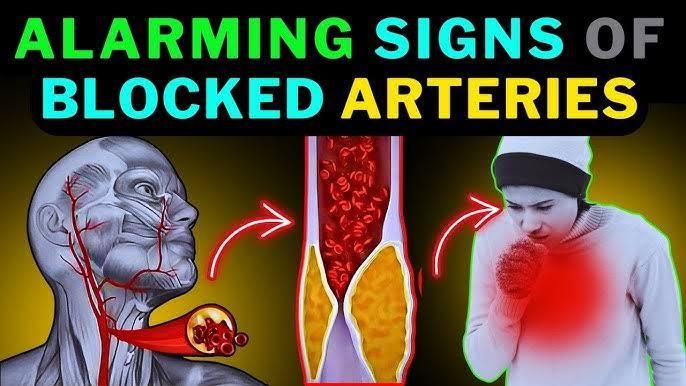
A 90% blockage usually develops over time due to the accumulation of plaque inside the coronary arteries. This plaque is made up of cholesterol, fats, calcium, and other waste materials from the blood. As the buildup increases, the artery becomes narrower and stiffer, reducing blood flow to the heart muscle. When the blockage is this severe, the heart is deprived of oxygen, often triggering symptoms like chest pain, shortness of breath, or fatigue. In some cases, it can even lead to a heart attack without much warning.

Medications play a crucial role in managing heart disease, but they are not designed to reverse severe, late-stage blockages. Statins lower cholesterol, and blood thinners prevent clot formation, but neither can break down or remove the hardened plaque once it’s firmly lodged in the artery. Most of the plaque is calcified almost like bone and that makes it very resistant to medication. At 90%, there’s not enough room left in the artery for adequate blood flow, and waiting for pills to work in such a situation could be life-threatening.

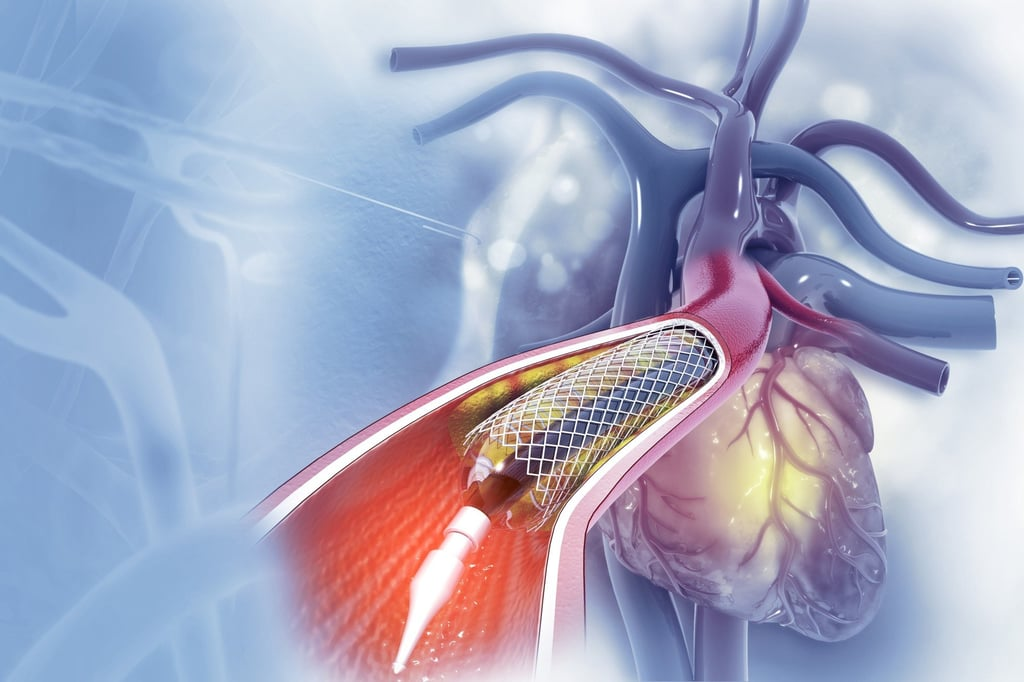
Stents offer an immediate and effective solution for opening up a severely narrowed artery. During a procedure called angioplasty, a balloon is used to expand the artery, and a stent is inserted to hold it open. This restores blood flow within minutes. It also prevents the artery from collapsing again. In emergency settings, such as during a heart attack or in cases of dangerously reduced blood flow, using a stent is the fastest and safest way to reduce damage to the heart muscle and save a patient’s life. How do stent really work ?

Dissolving plaque with medication sounds simple in theory, but in practice, it’s extremely risky. Plaque is a complex mixture of fats, fibrous tissue, and calcium deposits. If a drug were strong enough to break it down, it might also damage the artery wall or cause pieces of plaque to break off and travel to smaller arteries in the brain or lungs. That could lead to a stroke or a life-threatening blockage elsewhere. Currently, there’s no medication that can safely dissolve plaque without causing dangerous side effects.
Yes, but they are still in development. Researchers are exploring the use of nanoparticles, gene editing, and specific enzymes to selectively target and reduce plaque. Some of these technologies have shown promise in early laboratory studies and clinical trials, particularly for mild or moderate blockages. However, they are not yet approved for widespread use in humans. Until they are proven safe and effective, the gold standard for treating critical blockages remains mechanical intervention through procedures like Angioplasty and stenting.
While we may not be able to dissolve advanced plaque instantly, we can prevent it from ever forming or getting worse. Get regular checkups, especially if you have risk factors like high cholesterol, diabetes, or high blood pressure. Stick to your prescribed medications and avoid skipping doses. Quit smoking, eat more whole foods and healthy fats, and limit processed and fried foods. Exercise regularly even 30 minutes a day of brisk walking helps. And don't underestimate the impact of stress; learning to manage it can significantly reduce your heart risk over time.
A 90% blockage in a heart artery is not something you can fix with a pill. While medical therapy is essential for long-term management and prevention, it’s not a substitute for urgent action when a blockage becomes critical. Stents remain the safest, most effective way to quickly restore blood flow and prevent heart damage. But you don’t have to wait for a crisis. The best treatment will always be prevention through lifestyle changes, early diagnosis, and proactive care.

Leading the way in health excellence through innovation, expertise, care and support.