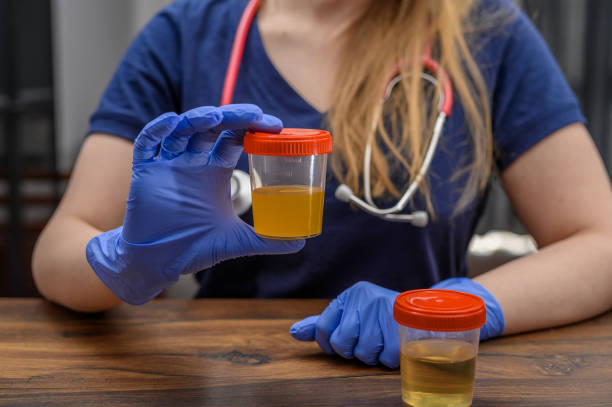
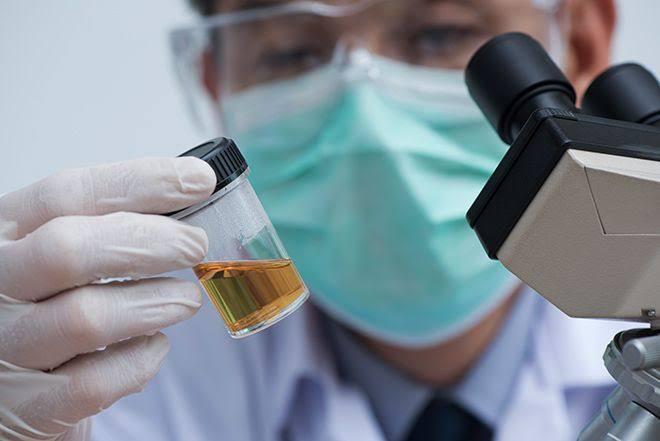
For years, people believed urine was sterile. Even some health professionals still repeat it. But here’s the twist: modern science has flipped that idea on its head.
A 2020 study published in Nature Reviews Urology confirmed it urine in healthy individuals contains bacteria. Not a ton, not necessarily harmful, but definitely there.
That matters. It challenges old-school beliefs, improves how we interpret test results, and opens up new ways to think about urinary health. If you’ve ever relied on this myth in a medical setting or survival story this one’s for you.
Where the Myth Came From
This isn’t a myth that came from nowhere. Like many misconceptions, it started with a kernel of truth.
1. Sterile Samples ≠ Sterile Urine
In clinical labs, doctors often ask for a “sterile urine sample.” But that just means a sample collected without contamination from the outside especially the skin or genitals. It doesn’t mean the urine itself was sterile inside your bladder.
2. Old Understanding, Outdated Tools
For decades, researchers believed the upper urinary tract was germ-free. Why? Because the tools they had mainly traditional cultures couldn’t detect most of the microbes living there.
Fast forward to today, and those tools look a little blunt.
The Real Science: Urine Is Not Sterile
Let’s make it plain: urine contains bacteria. Always has. Even in healthy people.
What changed? We got better at seeing it.
Modern technologies like 16S rRNA gene sequencing can detect even trace amounts of bacterial DNA. These advanced tools revealed something groundbreaking the urinary microbiome.
Just like your gut has its own ecosystem of bacteria, so does your bladder. And for most people, that microbial presence is normal and harmless.Sometimes,
it may even be protective.
What’s Actually Inside Your Urine?
Urine is more than water and waste. Here’s a closer look at what’s flowing through your system:
• Water About 90-95% of urine
• Waste products Urea, uric acid, creatinine
• Electrolytes Sodium, potassium, chloride
• Hormones and vitamins In small amounts
• Metabolites Tiny byproducts from your body’s chemical processes
• Bacteria Yes, even when you're perfectly healthy
And that last part? It's key.
So Why Didn’t We Notice Before?
The old way of testing urine focused on one thing: finding infections.
Traditional cultures only grow fast-replicating, easy-to-spot bacteria like E. coli. They also require a high enough bacterial count to flag a sample as “positive.”
That means slow-growing microbes, low-quantity colonies, or strains that don’t grow well in a petri dish? Totally missed.
But newer tools, especially those based on genetic analysis, don’t care how picky a bacterium is. If its DNA is there, it’s detected.
And that has changed everything.
If Bacteria Are There, Do I Have an Infection?
Not at all. This is where context matters.
Having bacteria in your urine isn’t the same as having a urinary tract infection (UTI). UTIs involve harmful bacteria (usually from the gut) multiplying rapidly and causing inflammation, pain, urgency, and sometimes fever.
Microbiological Tests(Urine culture)What we find in healthy urine are usually commensal microbes bacteria that live in harmony with your body.
In fact, emerging research suggests these microbes might:
• Compete with harmful invaders
• Help maintain immune balance
• Possibly influence inflammation or irritation responses
We’re still learning, but it’s clear: presence ≠ problem.
Why the Myth Still Lives On
The phrase “sterile urine sample” continues to confuse. And let’s be honest once something becomes accepted medical “truth,” it sticks around.
Is urine really sterile?But as professionals, we must update our understanding.
Here’s the new standard:
• A “sterile sample” refers to the collection method, not what’s in the urine.
• Healthy urine contains bacteria. That’s normal.
•Not all bacteria are bad. Context is everything.
How This Affects You (Yes, You)
If you're in healthcare or health education, this changes how you:
•Interpret test results Especially in asymptomatic patients
•Explain conditions to patients It builds trust when you're up to date
•Think about the urinary tract Not as a sterile pipe, but as a living environment
Takeaway: The Myth is Dead. Here’s the New Reality
Urine is not sterile. Never was.
Modern science shows it's part of the body’s complex microbial landscape.
We’re entering a new era of urinary health one where we explore the urinary microbiome, not ignore it.
And it all starts with letting go of the myth and embracing what the evidence tells us. That’s how science moves forward. And so should we.