1 year ago


Posted 1 year ago 2458 views 10 mins read
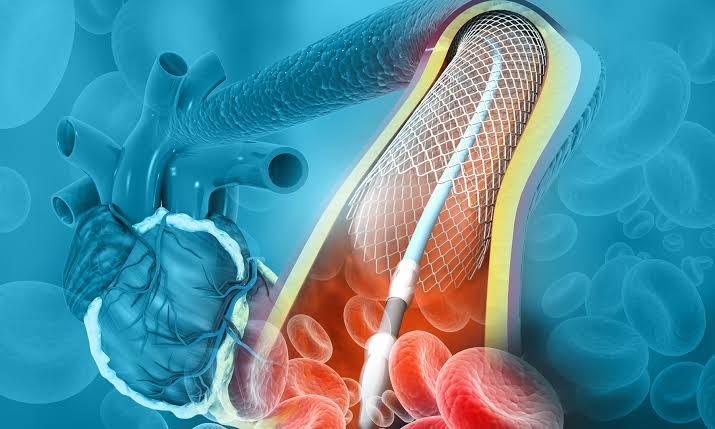
Stents have become indispensable in modern medicine. From restoring blood flow in blocked arteries to relieving obstructions in ducts and airways, these tiny mesh tubes have revolutionized how we manage a wide range of critical health conditions. In this comprehensive guide, we explore the fundamentals of stents, including their types, placement procedures, clinical applications, and the factors that influence their success. Whether you are a medical student, healthcare professional, or simply interested in how these life-saving devices function, this article provides the clarity and depth needed to fully understand stents and their role in clinical practice.
A stent is a small, cylindrical device, typically made from metal or polymer mesh, designed to hold open a narrowed or blocked internal passage in the body. Once deployed, the stent reinforces the structural integrity of the affected vessel or duct, ensuring that fluids such as blood, bile, or urine can pass through normally.

While most people associate stents with heart procedures, they are used across several specialties, including gastroenterology, urology, neurology, and pulmonology.
The choice of stent depends on the specific clinical need, anatomical site, and patient factors. Here are the most commonly used types:
These are the original stents, made of uncoated metal mesh. They are typically used in coronary arteries to restore blood flow but can lead to restenosis due to tissue growth.

Coated with medication that inhibits cell proliferation, these stents significantly reduce the risk of restenosis. DES are now the standard in most cardiac interventions.
Designed to degrade naturally over time, these stents provide temporary support without leaving a permanent foreign body. They are useful when long-term stenting poses risks.
These stents are covered with a fabric layer to block blood flow to aneurysms or seal vessel tears. They are used in vascular surgery and trauma care.
Used in non-cardiac systems to relieve obstructions in the urinary or biliary tracts. These are often made of polymer and may be temporary or long-term.
Stent implantation is typically a minimally invasive procedure, often performed under local anesthesia with the aid of imaging technologies such as fluoroscopy or ultrasound.

Access is gained via a small incision, commonly in the wrist or groin.
•A catheter is guided to the target site.
•A balloon may be inflated to widen the narrowed segment (balloon angioplasty).
•The stent is deployed and expanded within the vessel or duct.
•The balloon and catheter are withdrawn, leaving the stent in place to maintain patency.
The procedure can often be completed in under an hour, with a short recovery time and minimal hospitalization.
Stents are used to manage both emergency and chronic conditions across several medical fields:
•Coronary artery disease
•Myocardial infarction (heart attack)
•Peripheral artery disease
•Biliary obstruction due to gallstones or cancer
•Esophageal strictures
•Ureteral blockages due to stones or tumors
•Post-surgical drainage
•Tracheobronchial narrowing or collapse
•Airway tumors
•Carotid artery stenosis
•Aneurysm repair using graft stents

By restoring flow and preventing collapse, stents play a pivotal role in preventing life-threatening complications. When You Need a Stent
Stents offer numerous advantages over more invasive surgical procedures:
•Rapid symptom relief in blocked or narrowed vessels
•Minimally invasive, reducing hospital stay and recovery time
•High success rates in restoring patency
•Reduced risk of recurrence with drug-eluting options
•Immediate improvement in quality of life for many patients
Despite their many benefits, stents are not without risks:
•Stent thrombosis (blood clot formation)
•Restenosis, especially with bare-metal stents
•Infection or allergic reaction
•Need for long-term medication, such as antiplatelets
•Migration or improper placement, though rare
Appropriate patient selection, precise placement, and diligent follow-up care are critical to minimizing these risks.
Once a stent is in place, long-term success depends on:
•Medication adherence, especially blood thinners
•Lifestyle changes such as smoking cessation and dietary improvements
•Regular follow-up to monitor function and detect complications early
•Patient education on signs of stent failure or complications
In cardiac patients, dual antiplatelet therapy is often prescribed for 6–12 months post-procedure to prevent clot formation.

Selecting the appropriate stent involves a combination of factors:
•Anatomy of the blockage
•Severity and location of the condition
•Presence of comorbidities
•Duration of support require
•Cost, availability, and technology access
This decision is typically made by a multidisciplinary medical team to ensure optimal outcomes.
Stents have transformed the way clinicians manage vascular and ductal obstructions. They provide a minimally invasive, highly effective solution to conditions that once required extensive surgery.
Leading the way in health excellence through innovation, expertise, care and support.