
1 year ago


Posted 1 year ago 1539 views 5 mins read

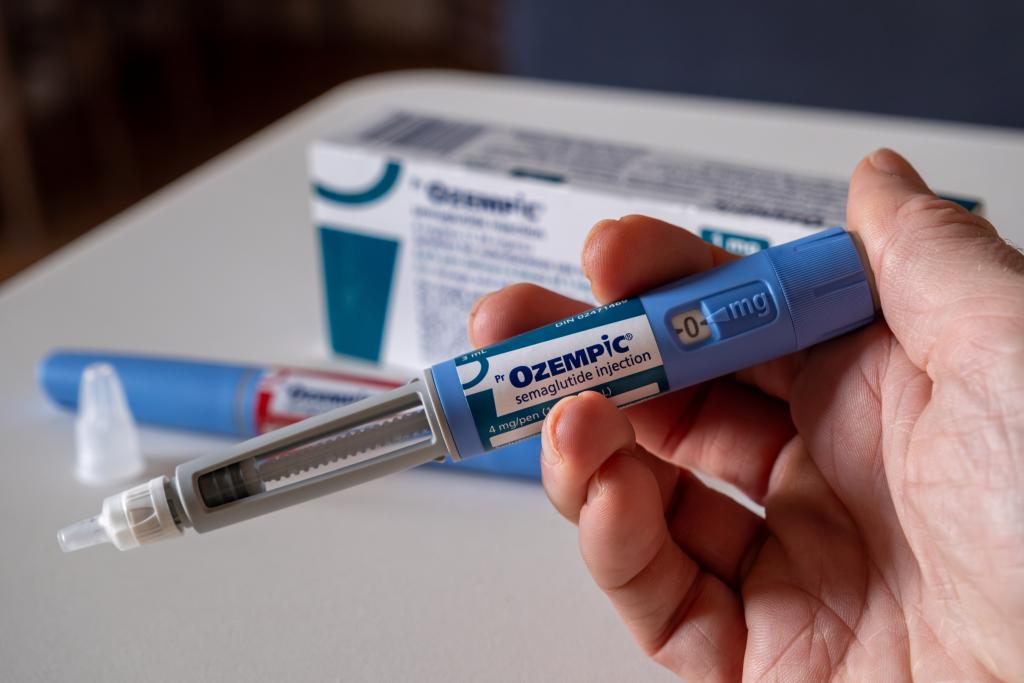
"Every drug is a poison it just depends on the dose." That quote by 16th-century physician Paracelsus still holds true today. And with Ozempic the buzzworthy injectable for type 2 diabetes and weight loss that saying feels especially relevant. Ozempic (semaglutide) is more than a trending topic. It’s transforming how we approach blood sugar management and obesity. But there's another side of the story one that doesn't get enough attention. The side effects. You may have seen the dramatic before-and-after photos. Or heard friends talk about appetite loss and pounds shed almost effortlessly. But before you jump on board, it's important to pause. To know what you're getting into. To understand what your body might experience.
Ozempic is a GLP-1 receptor agonist, a class of medications that mimics the action of a natural hormone called glucagon-like peptide-1. This hormone increases insulin secretion, slows down gastric emptying, and reduces appetite.
By regulating insulin and promoting satiety, Ozempic helps lower blood sugar in people with type 2 diabetes. It’s also increasingly prescribed off-label for weight loss, especially in individuals with obesity or metabolic syndrome.
But here's the twist these same mechanisms are what cause most of the side effects.
Gastrointestinal Upset
This is the number one complaint. Patients often report nausea, vomiting, diarrhea, or constipation, especially in the first few weeks of treatment. These symptoms usually taper off as the body adjusts, but they can be disruptive in the beginning.

Loss of Appetite
While it’s partly why .Ozempic is effective for weight loss, reduced appetite can sometimes become extreme. Some users find it difficult to consume enough calories or maintain proper nutrition.

Fatigue
Some individuals feel more tired than usual during the first few weeks. It’s often linked to lower calorie intake or dehydration from gastrointestinal side effects.
Headaches and Dizziness
These are less common but can occur, especially when your body is adjusting to lower blood sugar levels.
Pancreatitis
Ozempic has been associated with inflammation of the pancreas, which presents as severe abdominal pain radiating to the back, nausea, and vomiting. This requires immediate medical attention.
6 Critical Symptoms of Pancreatic Cancer You Can't Ignore
Thyroid Tumors
In animal studies, semaglutide was linked to thyroid C-cell tumors, including medullary thyroid carcinoma. Though the risk in humans is unclear, Ozempic is not recommended for individuals with a personal or family history of this condition.
Hypoglycemia (Low Blood Sugar)
While rare on its own, hypoglycemia can occur when Ozempic is used in combination with insulin or sulfonylureas. Symptoms include sweating, shakiness, confusion, or even loss of consciousness.
Kidney Injury
Severe nausea, vomiting, or diarrhea can lead to dehydration, which in turn can impair kidney function. Monitoring hydration levels and kidney health is essential, especially in the elderly or those with pre-existing kidney conditions.
Injection Site Reactions
Some patients notice redness, swelling, or discomfort at the injection site. Rotating injection spots and proper technique can reduce this issue.
Mood Changes
Though not common, a few patients report anxiety, irritability, or low mood. Whether it’s due to the drug or secondary to rapid weight loss or diet changes is still under investigation.
Before prescribing or taking Ozempic, a thorough medical history and baseline screening are crucial. This includes evaluating for:
•A history of pancreatitis
•Thyroid cancer in the family
•Kidney impairment
•Gastrointestinal disorders
•Use of insulin or sulfonylureas
It's also important to set realistic expectations. Ozempic is not a miracle shot. It works best with lifestyle modifications like a balanced diet and physical activity.
Start with the lowest possible dose. This gives your body time to adapt and reduces the intensity of nausea and other early side effects.
• Stay hydrated. This helps combat constipation and supports kidney function.
• Eat small, frequent meals. Avoid greasy or spicy food, especially during the first few weeks.
• Regular follow-ups. Close monitoring by a healthcare provider ensures any early warning signs are caught before they become serious.
Ozempic can be a game-changer but it's not without risk. The side effects are real, sometimes uncomfortable, and in rare cases, serious. But with knowledge, close monitoring, and individualized care, the benefits can outweigh the downsides for many patients.

Leading the way in health excellence through innovation, expertise, care and support.