 Nervous system
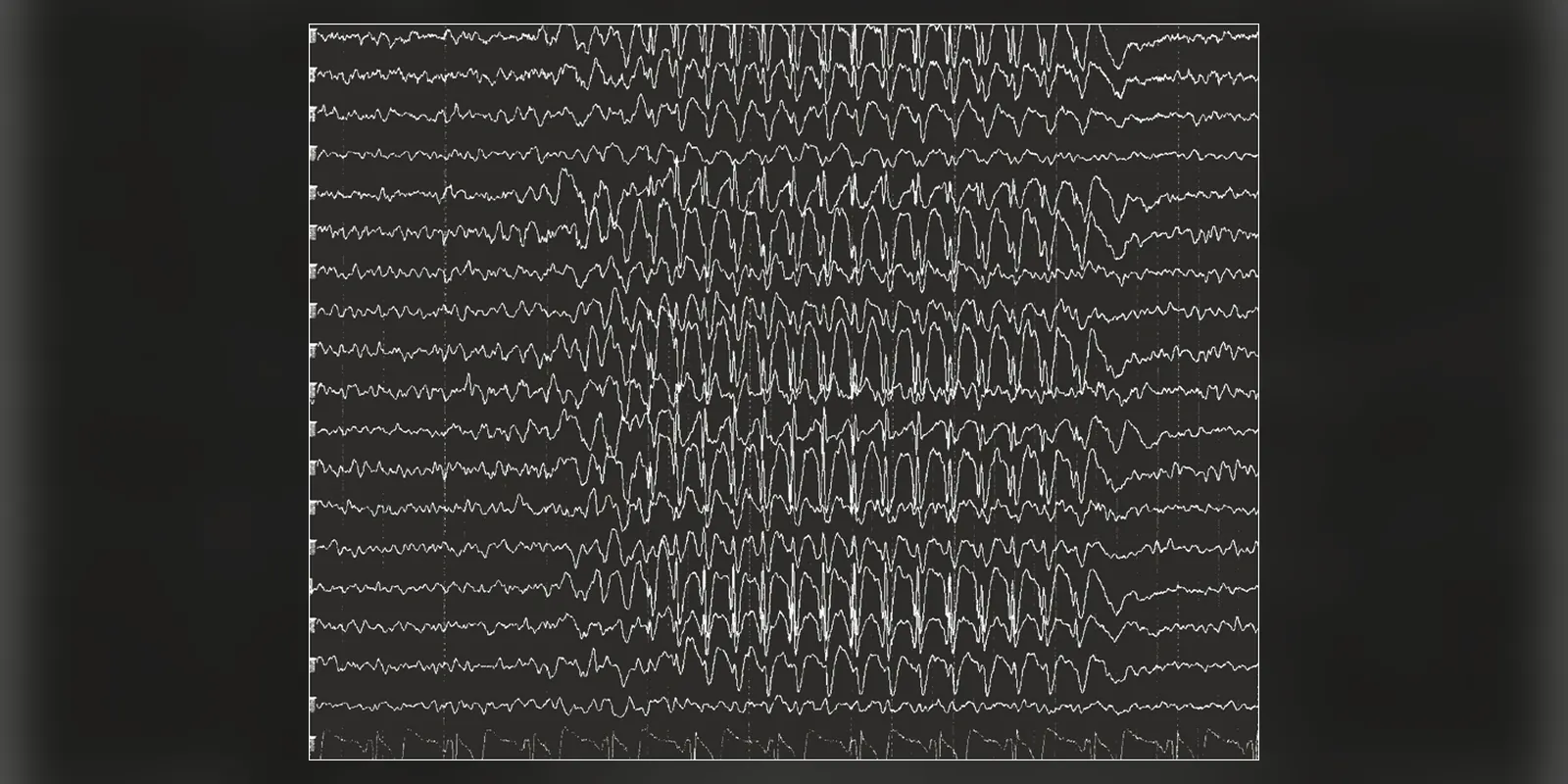
Absence seizures
Non-infectious · Chronic
Brief episodes of blank staring caused by sudden bursts of abnormal brain activity, most common in children.


GeoMed · Nervous system conditions
The brain, spinal cord and nerves, which control and coordinate the body.
Nervous system
Non-infectious · Chronic
Brief episodes of blank staring caused by sudden bursts of abnormal brain activity, most common in children.
 Nervous system
Non-infectious · Acute
Symptoms that occur when someone who is physically dependent on alcohol suddenly stops or cuts down, ranging from shakiness to life-threatening seizures and delirium.
 Nervous system
Non-infectious · Chronic
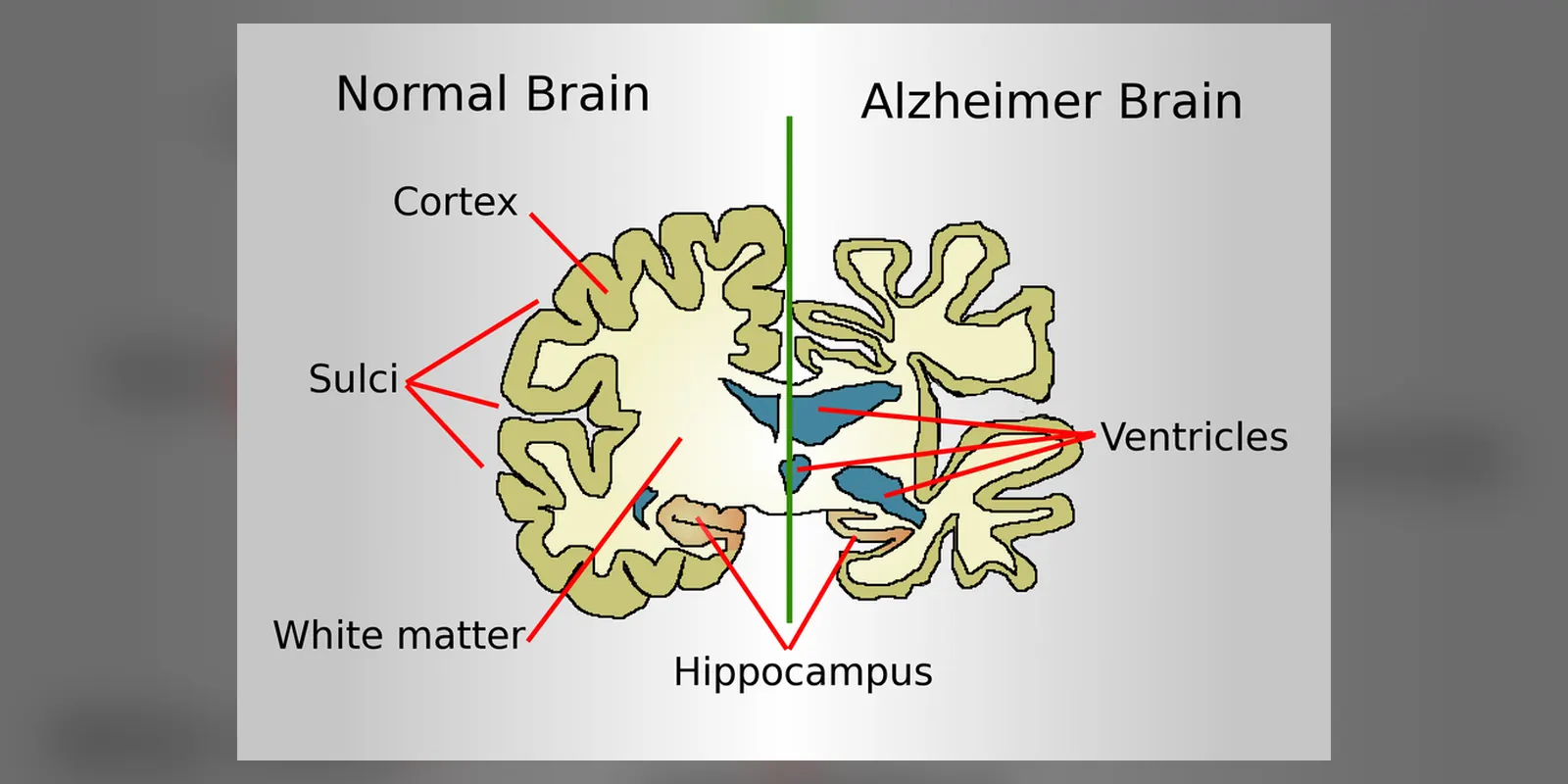
The most common cause of dementia, a progressive brain disease that gradually affects memory, thinking and daily abilities.
 Nervous system
Non-infectious · Chronic
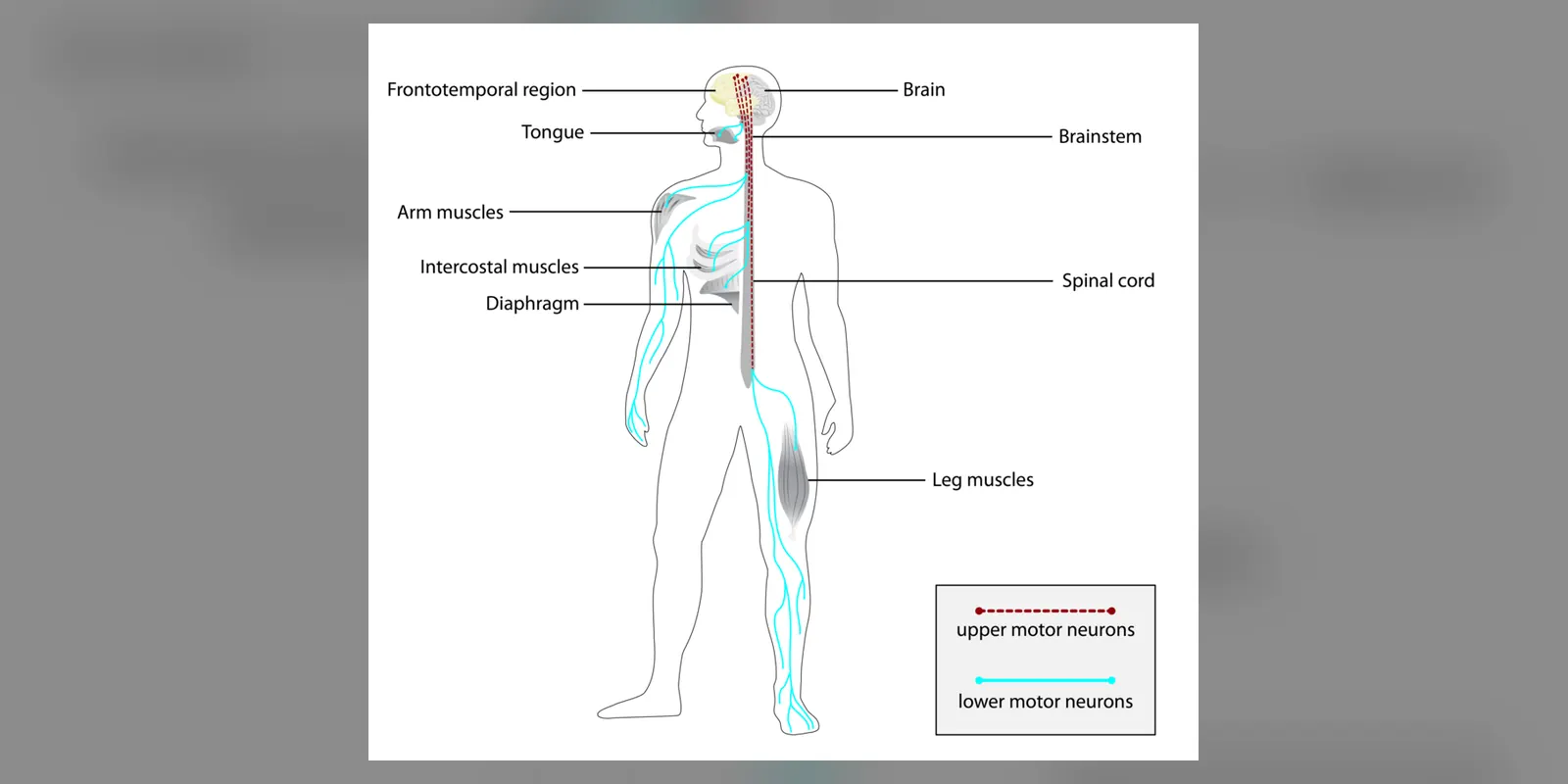
A progressive disease of the nerves that control muscles, causing increasing weakness, difficulty speaking, swallowing and breathing.
 Nervous system
Non-infectious · Acute or chronic
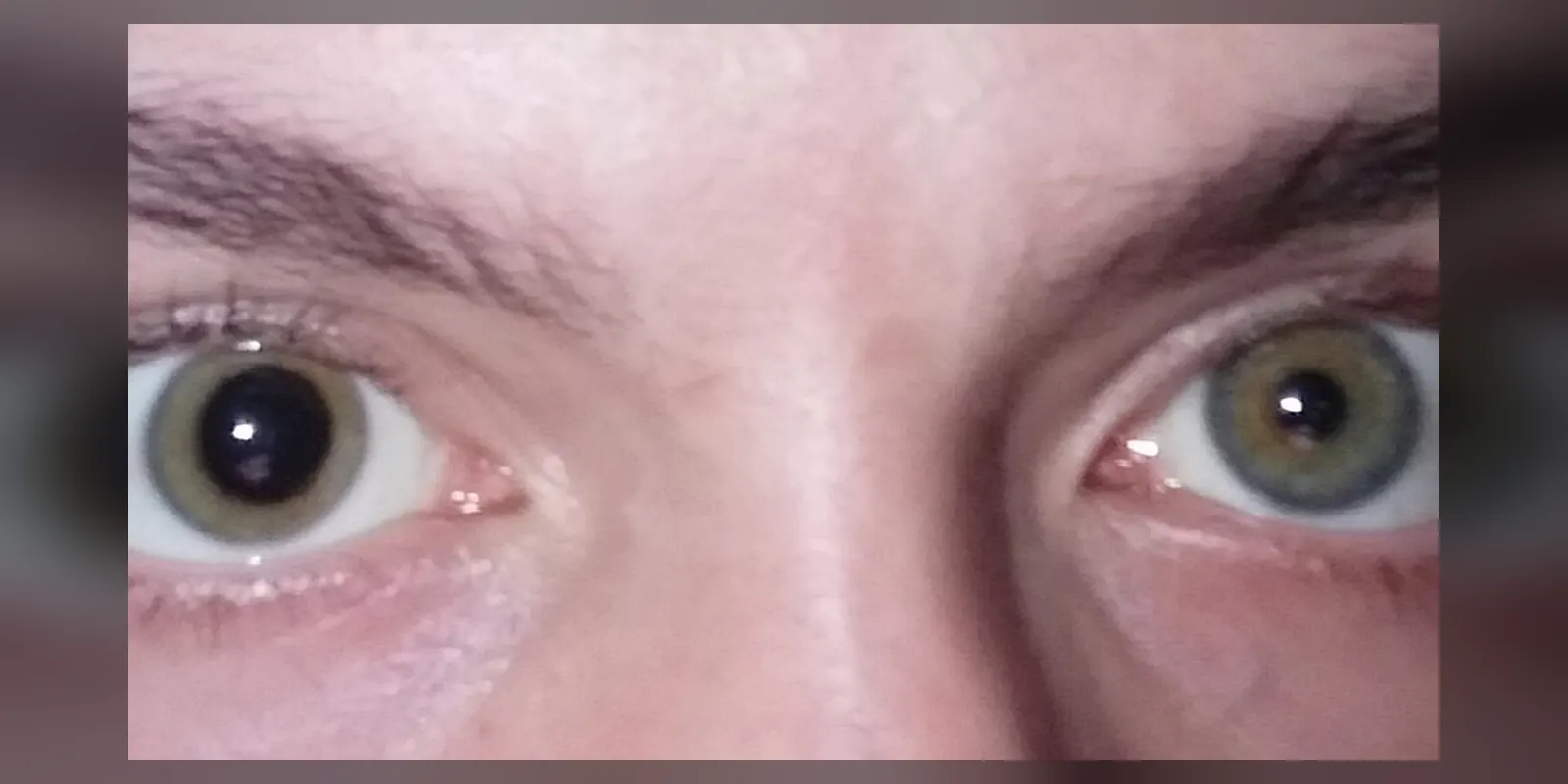
A difference in the size of the pupils, which can be harmless or a sign of a problem with the nerves that control the eye.
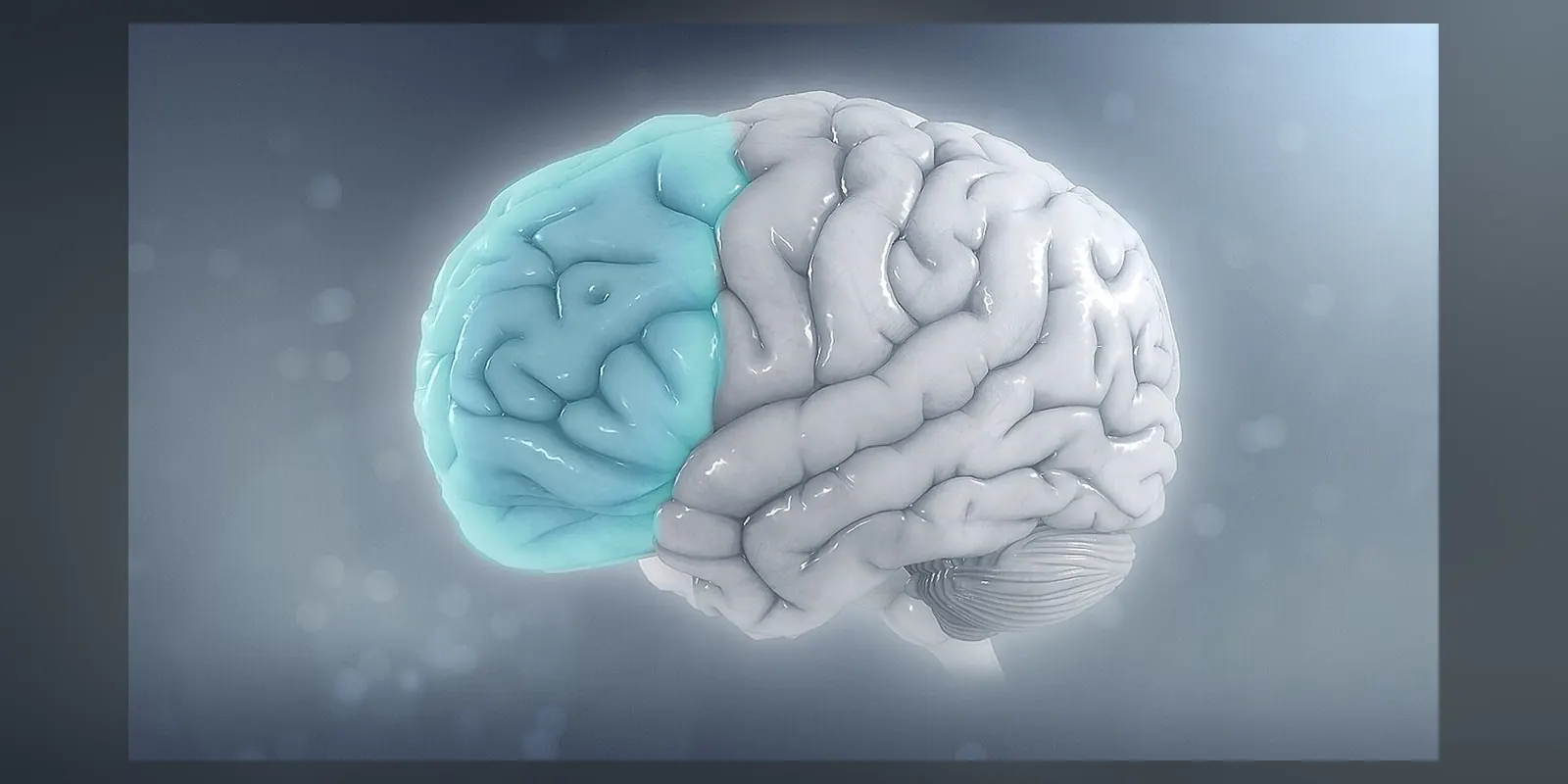 Nervous system
Non-infectious · Chronic
A neurodevelopmental condition causing ongoing difficulties with attention, hyperactivity and impulsivity that affect daily life.
 Nervous system
Non-infectious · Chronic
A lifelong neurodevelopmental difference affecting social communication and interaction, with focused interests and repetitive behaviours.
 Nervous system
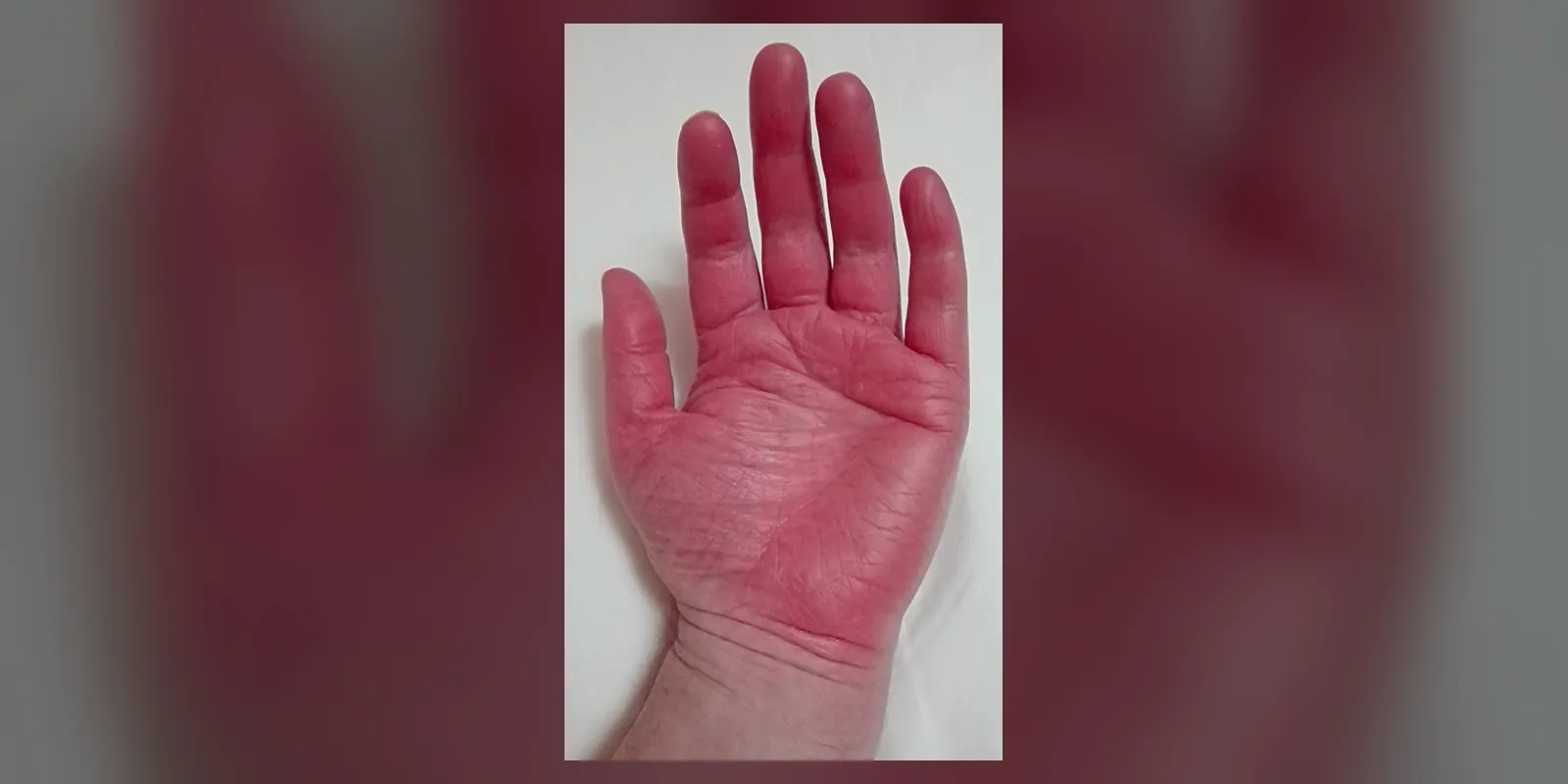
Non-infectious · Chronic
Damage to the nerves that control automatic body functions such as blood pressure, heart rate, digestion, bladder and sweating.
 Nervous system
Non-infectious · Acute
Sudden weakness or paralysis of the muscles on one side of the face, caused by inflammation of the facial nerve.
 Nervous system
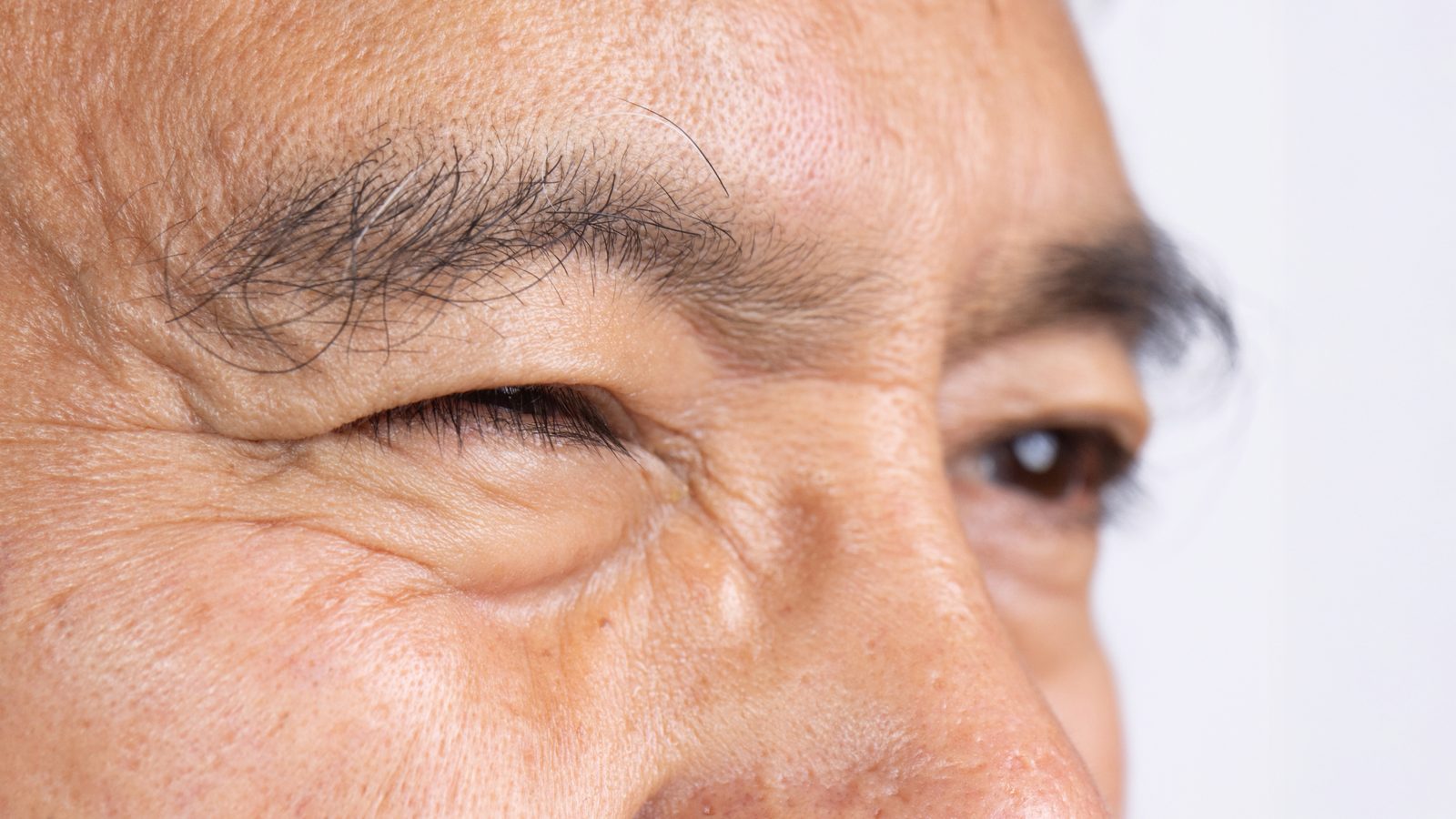
Non-infectious · Chronic
A neurological condition causing involuntary, repeated blinking and forceful closing of the eyelids.
 Nervous system
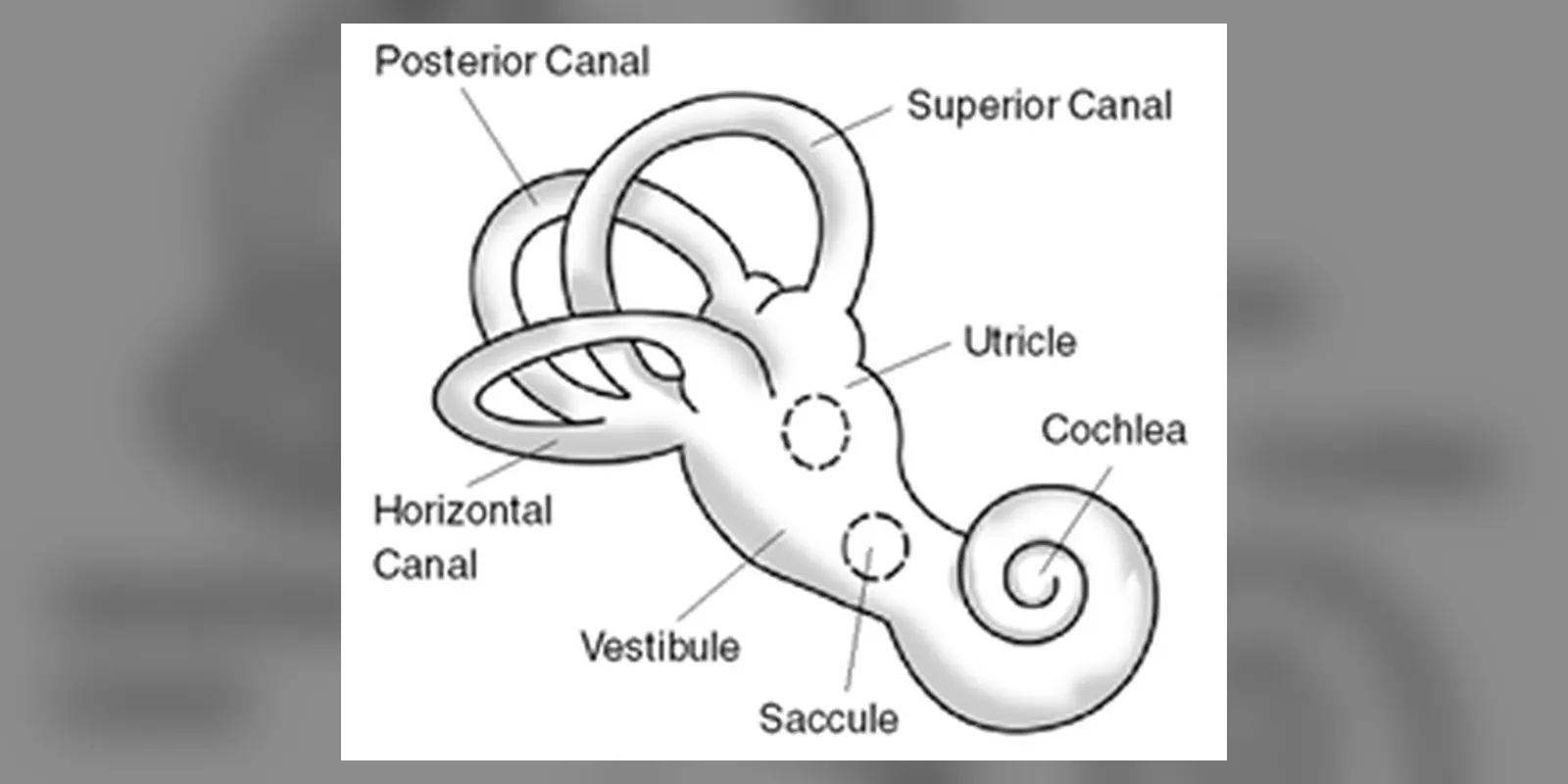
Non-infectious · Acute or chronic
Brief spells of spinning dizziness triggered by changes in head position, caused by loose crystals in the inner ear.
Non-infectious · Acute or chronic
A condition caused by severe lack of vitamin B1 (thiamine), affecting the heart, nerves or brain.

