
Overview
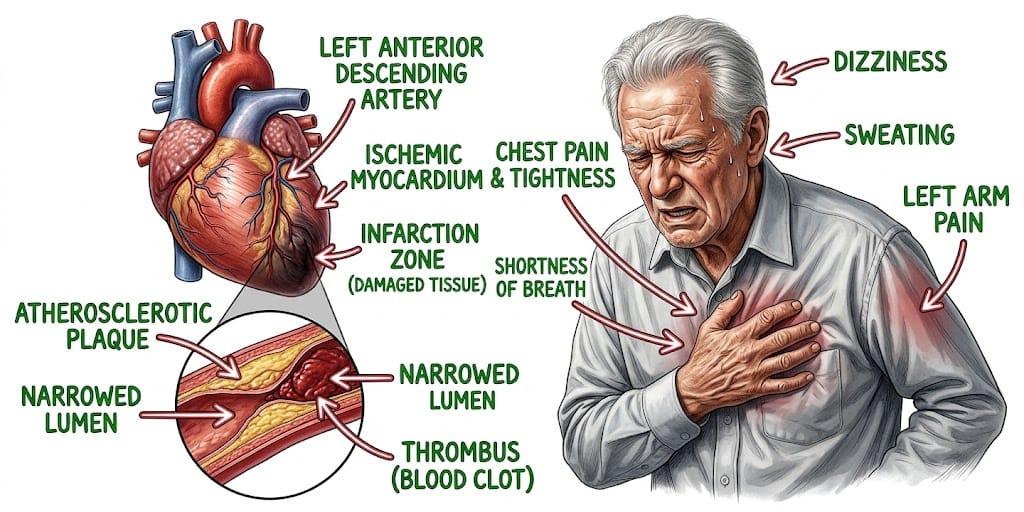
Angina is chest pain, tightness or discomfort that happens when the heart muscle does not get enough oxygen-rich blood. It is a symptom of coronary heart disease, in which the arteries supplying the heart are narrowed by fatty deposits. Angina is usually triggered by physical activity, emotional stress, cold weather or heavy meals, and it typically settles within a few minutes of rest or after using glyceryl trinitrate (GTN).
Angina itself does not usually damage the heart, but it is an important warning sign of an increased risk of heart attack and stroke. With lifestyle changes, medicines and sometimes procedures to improve blood flow, most people with angina can control their symptoms and reduce their risk.
When to get urgent help
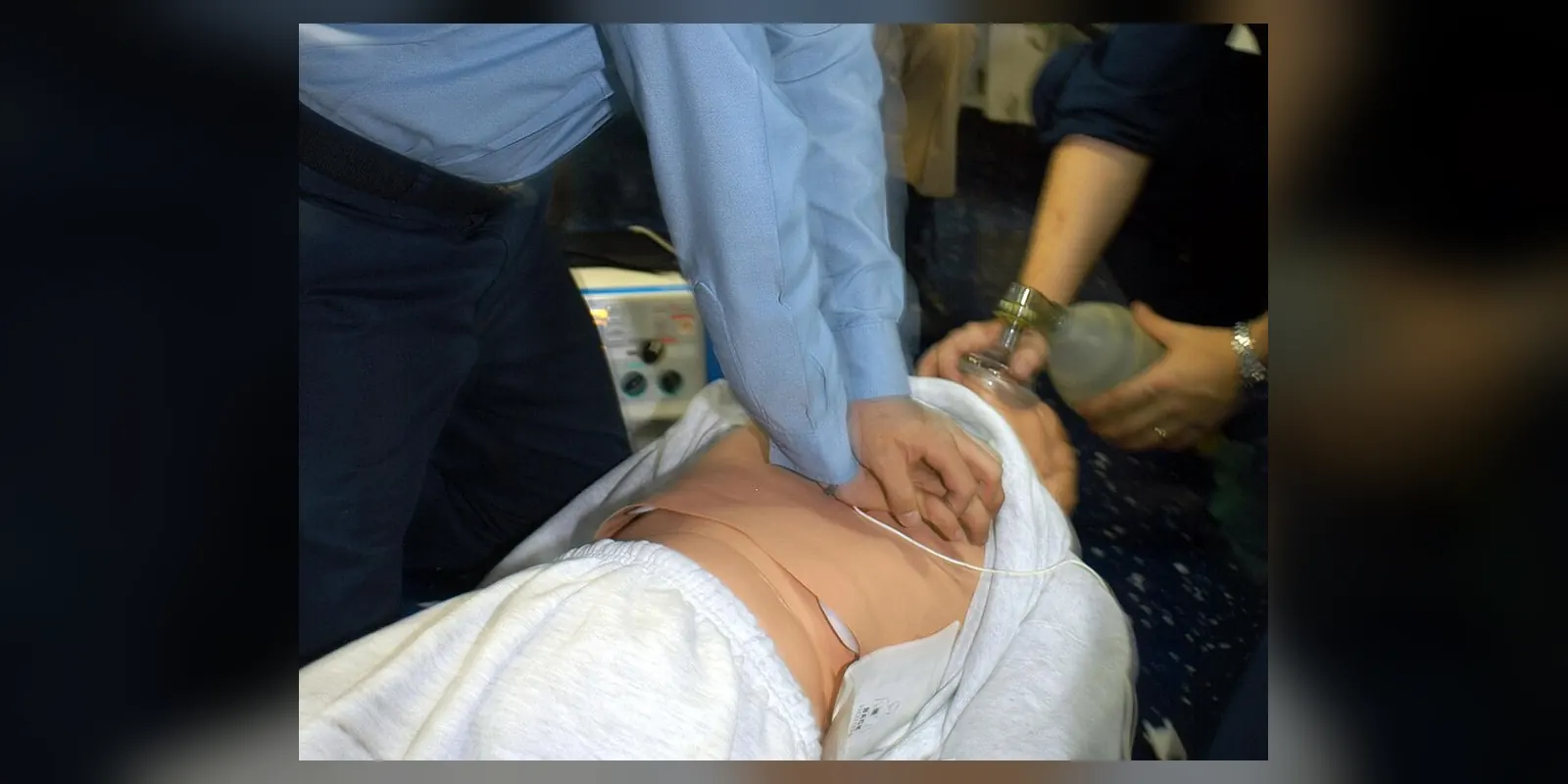
Call emergency services if chest pain lasts more than 10 to 15 minutes, is not relieved by two doses of GTN taken five minutes apart, occurs at rest, or is more severe than usual. These may be signs of a heart attack.
Causes and risk factors
- Coronary artery disease from atherosclerosis: the main cause
- Risk factors: smoking, high blood pressure, high cholesterol, diabetes, obesity, physical inactivity, family history, older age, male sex, chronic kidney disease
- Less common causes: coronary artery spasm (vasospastic angina), problems with small heart vessels (microvascular angina), aortic stenosis, hypertrophic cardiomyopathy, severe anaemia, overactive thyroid
How it develops (pathophysiology)
Normal blood supply to the heart
The heart muscle works continuously and extracts most of the oxygen from the blood it receives, even at rest. When we exercise, the heart beats faster and more strongly, so it needs more oxygen. The only way to meet this demand is to increase blood flow through the coronary arteries. Healthy arteries widen (dilate) to allow this. Most coronary blood flow occurs when the heart relaxes between beats (diastole).
What goes wrong
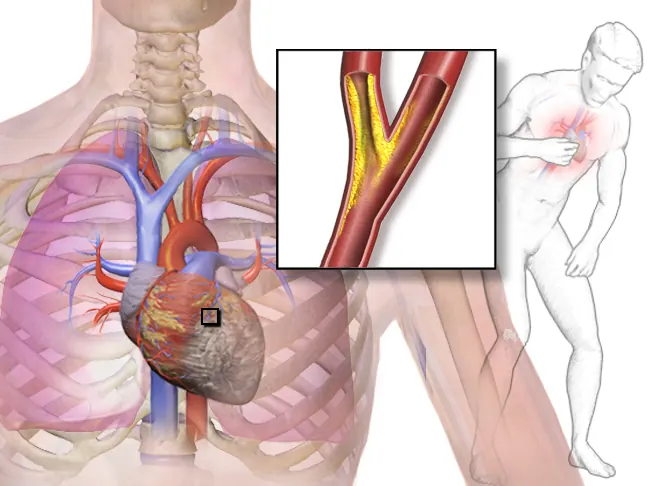
In stable angina, atherosclerotic plaques narrow one or more coronary arteries:
- Fatty material builds up in the artery wall over years, covered by a fibrous cap.
- At rest, a narrowed artery can still supply enough blood, because the small vessels downstream widen to compensate.
- When the heart's demand rises during exertion, the narrowed artery cannot deliver enough extra blood. Usually, symptoms appear when narrowing exceeds about 70 percent of the artery's width.
- The heart muscle becomes short of oxygen (ischaemia). It switches to less efficient energy production, building up lactate, adenosine and other substances.
- When exertion stops, demand falls, supply matches it again, and the pain settles. Because blood flow is restored before damage occurs, stable angina does not destroy heart muscle.
Damage to the artery lining (endothelial dysfunction) also reduces the ability of arteries to widen, worsening the mismatch. In vasospastic angina, an artery suddenly constricts, often at rest. In microvascular angina, the tiny arteries do not dilate properly.
When a plaque ruptures and a clot forms, angina becomes unpredictable or occurs at rest, a dangerous situation called unstable angina, part of acute coronary syndrome.
Why the symptoms happen
- Chest tightness, heaviness or pressure is caused by chemicals such as adenosine and bradykinin released by oxygen-starved muscle, which stimulate pain nerves.
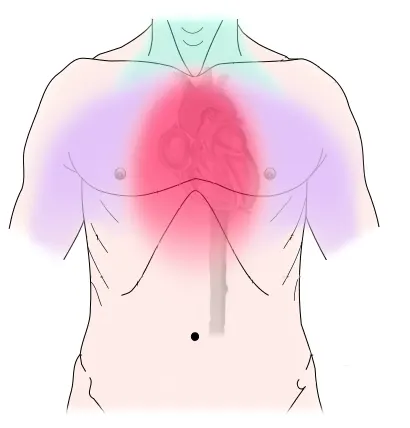
- Pain spreading to the arms, neck, jaw or back is referred pain: these nerves enter the spinal cord at the same levels as nerves from the heart.
- Breathlessness occurs because the struggling heart muscle pumps less efficiently, raising pressure in the lungs.
- Relief with rest or GTN reflects restored balance between oxygen supply and demand.
How treatment acts on the mechanism
GTN releases nitric oxide, widening veins and arteries; this reduces the heart's workload and improves blood flow. Beta-blockers slow the heart and reduce the force of contraction, lowering oxygen demand and lengthening diastole for better filling. Calcium channel blockers widen arteries and can slow the heart. Statins stabilise plaques and slow their growth. Aspirin reduces clot formation. Angioplasty with stenting or bypass surgery restores blood flow through narrowed arteries.
Types
- Stable angina: predictable, brought on by exertion, relieved by rest
- Unstable angina: new, worsening or at rest; an emergency
- Vasospastic (Prinzmetal) angina: caused by artery spasm, often at rest or at night
- Microvascular angina: caused by problems in small blood vessels
Signs and symptoms
- Chest pain, tightness, heaviness or pressure
- Pain spreading to the left or both arms, neck, jaw, back or stomach
- Breathlessness
- Tiredness
- Nausea or sweating
- Symptoms brought on by exertion, stress, cold or heavy meals, and easing with rest within minutes
Women, older people and people with diabetes may have less typical symptoms, such as breathlessness, tiredness or indigestion-like discomfort.
How it is diagnosed
- History of symptoms and risk factors
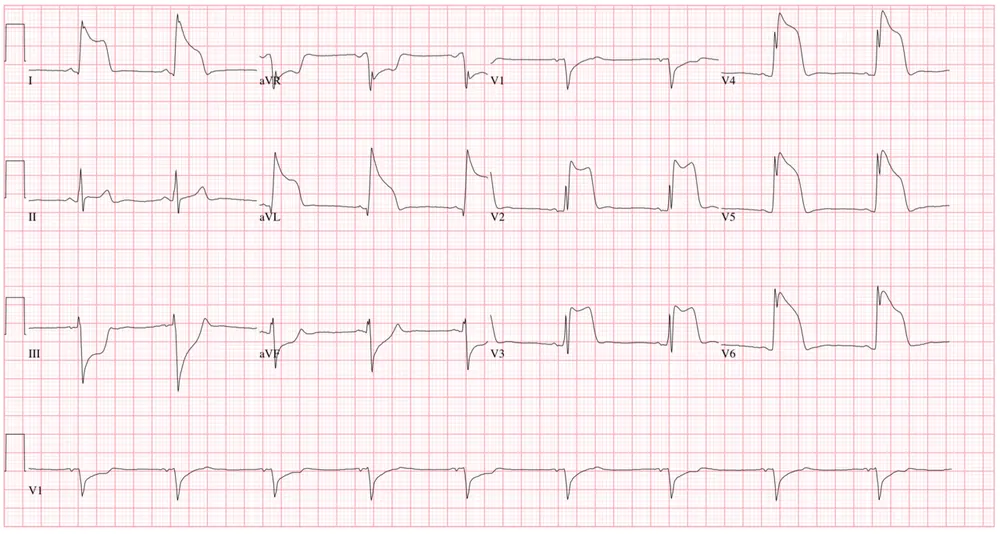
- ECG, which may be normal between episodes
- Blood tests: cholesterol, glucose or HbA1c, kidney function, full blood count
- CT coronary angiography, often the first test for suspected angina
- Stress tests: exercise ECG, stress echocardiogram, perfusion scans or stress MRI
- Invasive coronary angiography to plan treatment
Possible complications
- Heart attack
- Unstable angina
- Heart failure
- Arrhythmias
- Stroke (shared risk factors)
Goals of treatment
Treatment aims to relieve symptoms, improve quality of life and reduce the risk of heart attack, stroke and death.
Medicines
- GTN spray or tablets under the tongue for attacks or before exertion
- Beta-blockers or calcium channel blockers to prevent attacks
- Long-acting nitrates, ivabradine, nicorandil or ranolazine when needed
- Aspirin or another antiplatelet medicine
- Statins
- Treatment of blood pressure and diabetes
Other treatments
- Percutaneous coronary intervention (PCI) with stents
- Coronary artery bypass grafting (CABG)
- Cardiac rehabilitation
Living with it and prevention
- Stop smoking
- Eat a heart-healthy diet
- Be physically active, building up gradually
- Maintain a healthy weight
- Limit alcohol
- Manage stress
- Keep GTN with you and know how to use it
- Take medicines as prescribed
Monitoring and follow-up
Regular reviews check symptoms, medication effects, blood pressure, cholesterol and diabetes control. New or worsening symptoms need prompt reassessment.
Outlook
Many people with stable angina live for many years with good symptom control. Managing risk factors greatly reduces the risk of heart attack.
Special considerations
- Women: more likely to have microvascular angina and atypical symptoms
- People with diabetes: may have less pain and silent ischaemia
- Older adults: may present with breathlessness or tiredness