 Nervous system
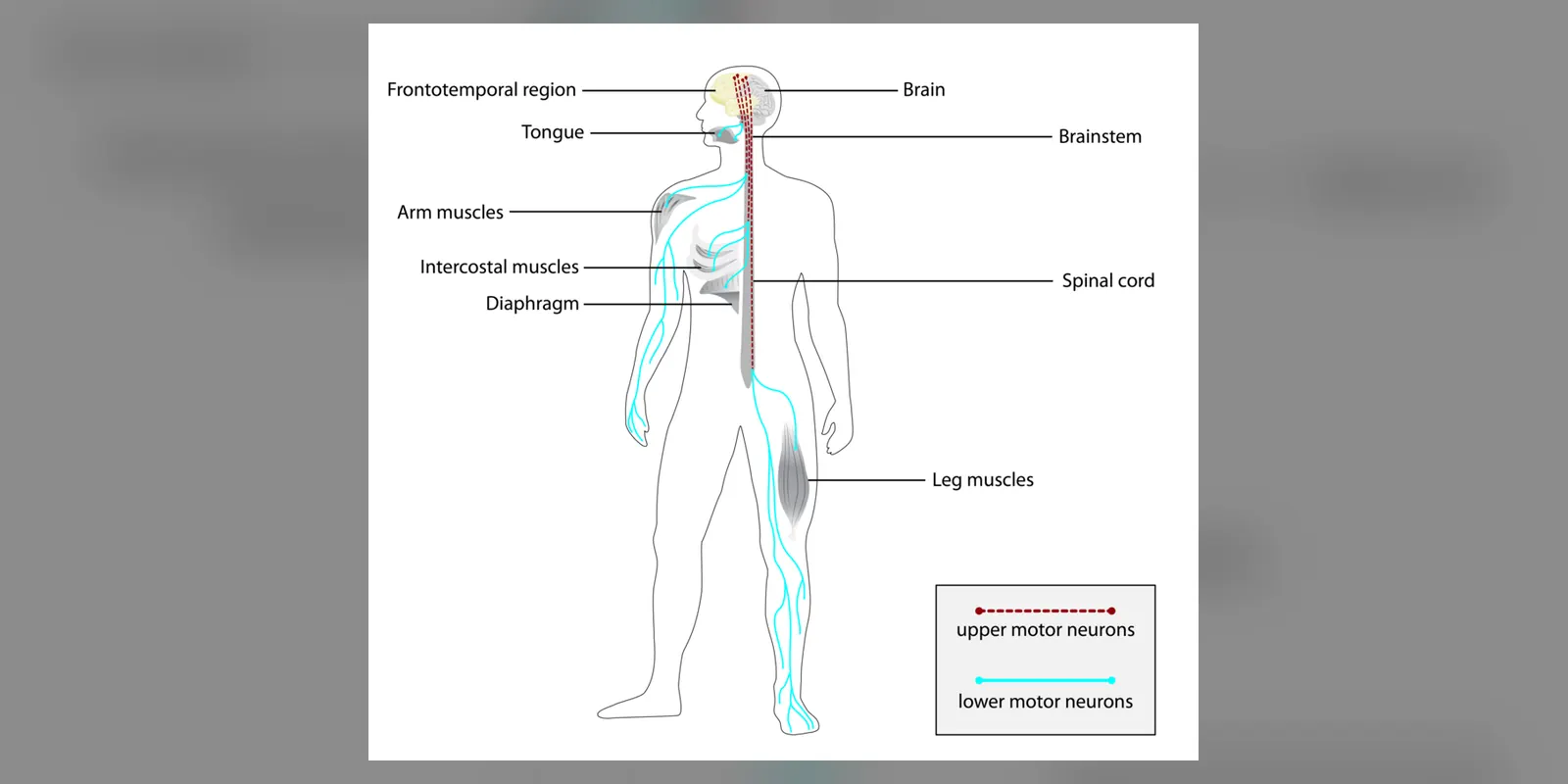
Amyotrophic lateral sclerosis
Non-infectious · Chronic
A progressive disease of the nerves that control muscles, causing increasing weakness, difficulty speaking, swallowing and breathing.


GeoMed · Disease encyclopedia
Causes, symptoms, diagnosis, treatment approaches and prevention for common conditions. Browse A–Z, by body system, or search.
Nervous system
Non-infectious · Chronic
A progressive disease of the nerves that control muscles, causing increasing weakness, difficulty speaking, swallowing and breathing.
 Blood (haematology)
Non-infectious · Chronic
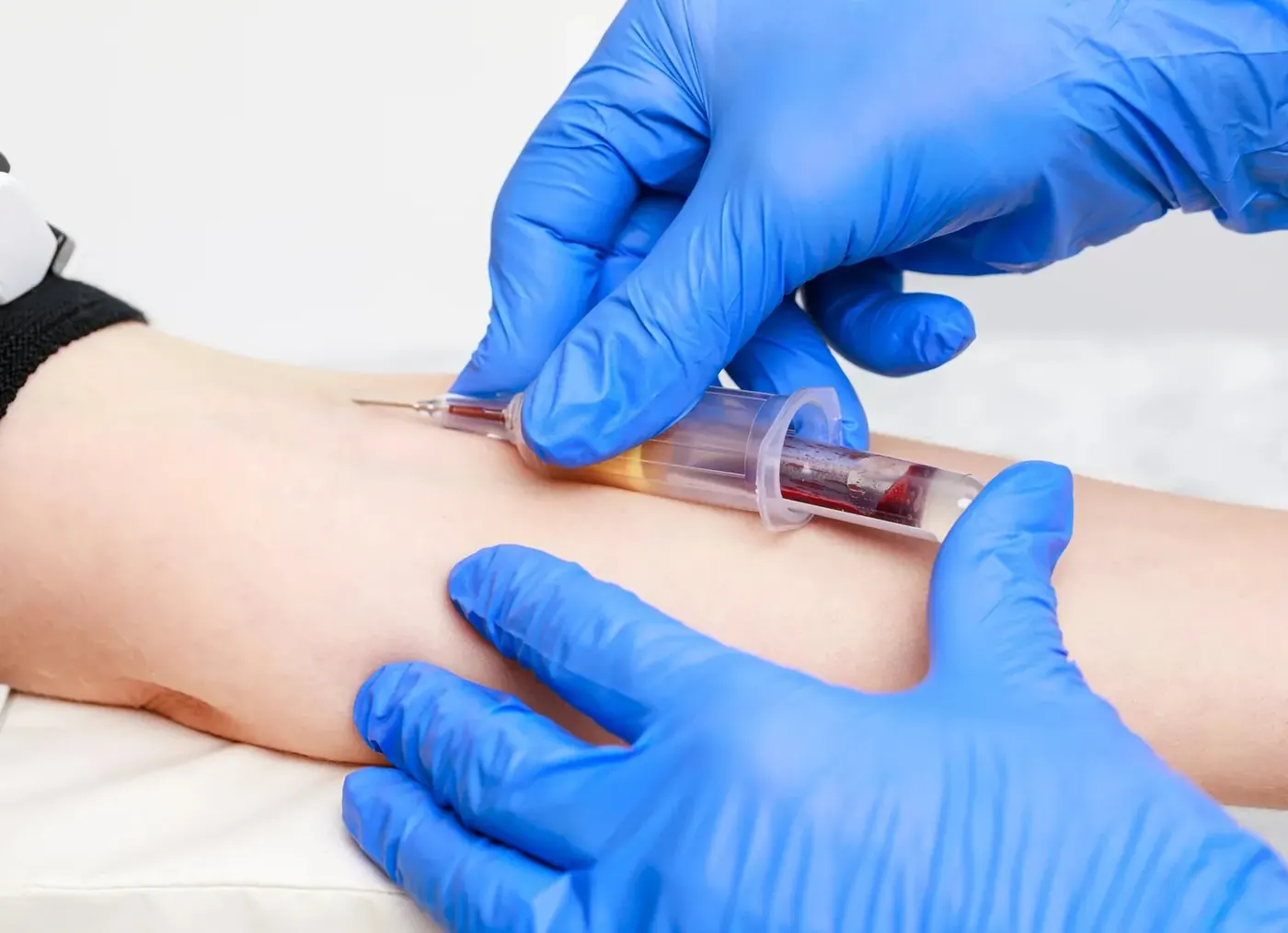
Imagine feeling exhausted all the time, no matter how much sleep you get. You might think it's stress or just part of life, but for millions of people worldwide, it could be anemia. In fact, the World Health Organization estimates that over 1.6 billion people suffer from anemia, with iron-deficiency anemia being the most common. It's not just about feeling tired; it can lead to serious health issues if left untreated. This condition is more than just a minor inconvenience, it’s a signal from your body that something needs attention. Let’s dive into what anemia really is, its causes, symptoms, and how you can take action to prevent and treat it. Your health is too important to ignore!
Non-infectious · Chronic
A common type of anaemia caused by long-term inflammation, infection, cancer or kidney disease, which reduces the body's ability to use iron.
 Digestive system
Non-infectious · Chronic
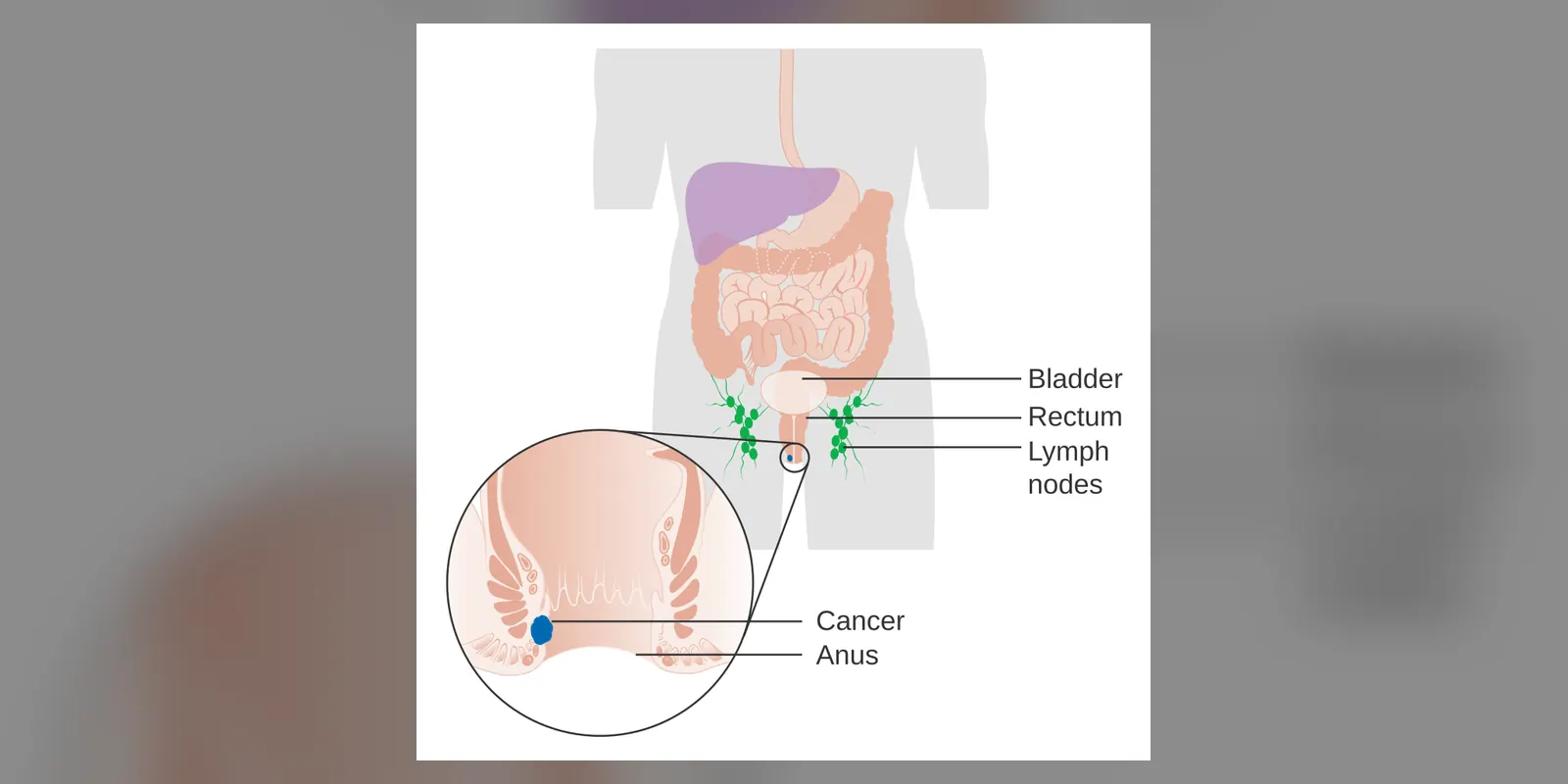
A rare cancer that starts in the tissues of the anus, most often linked to human papillomavirus (HPV) infection.
 Digestive system
Non-infectious · Acute or chronic
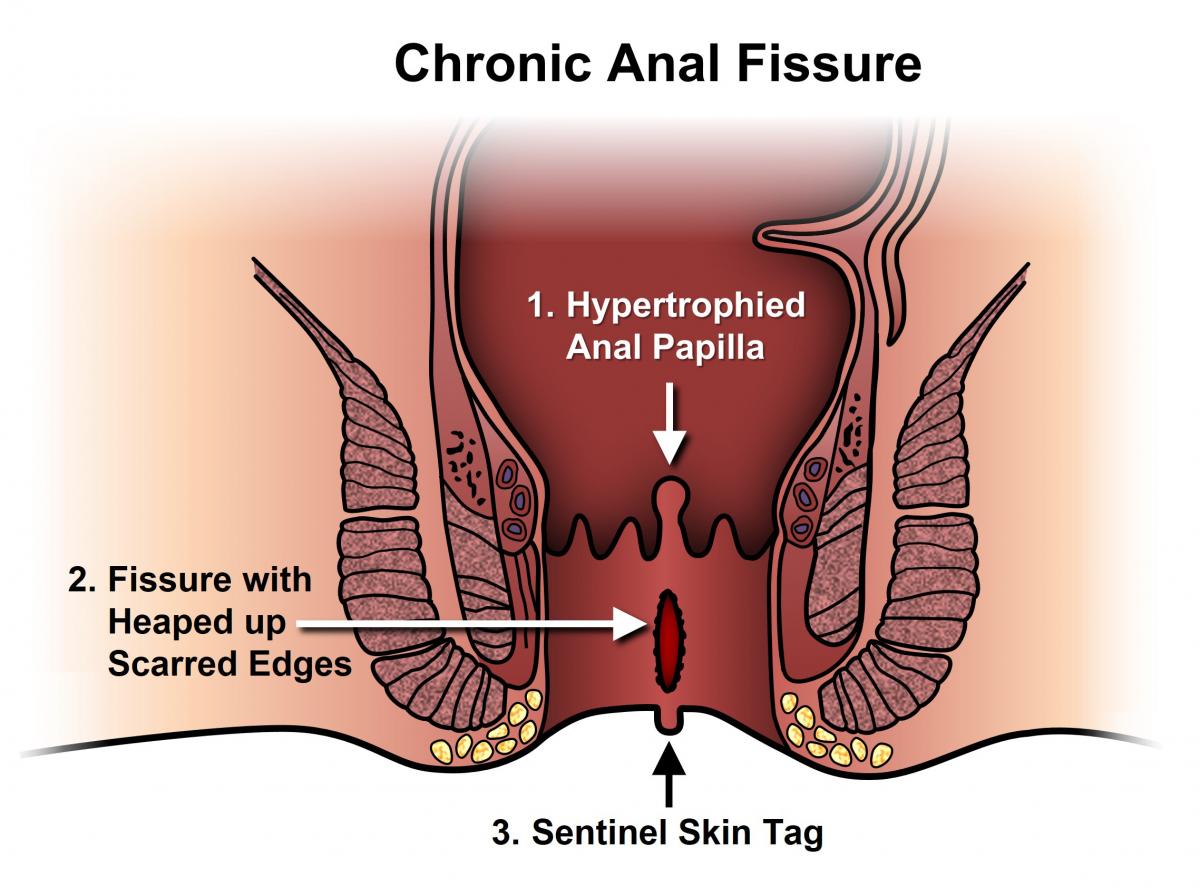
A small tear in the lining of the anus that causes sharp pain and bleeding when passing stools.
 Digestive system
Non-infectious · Chronic
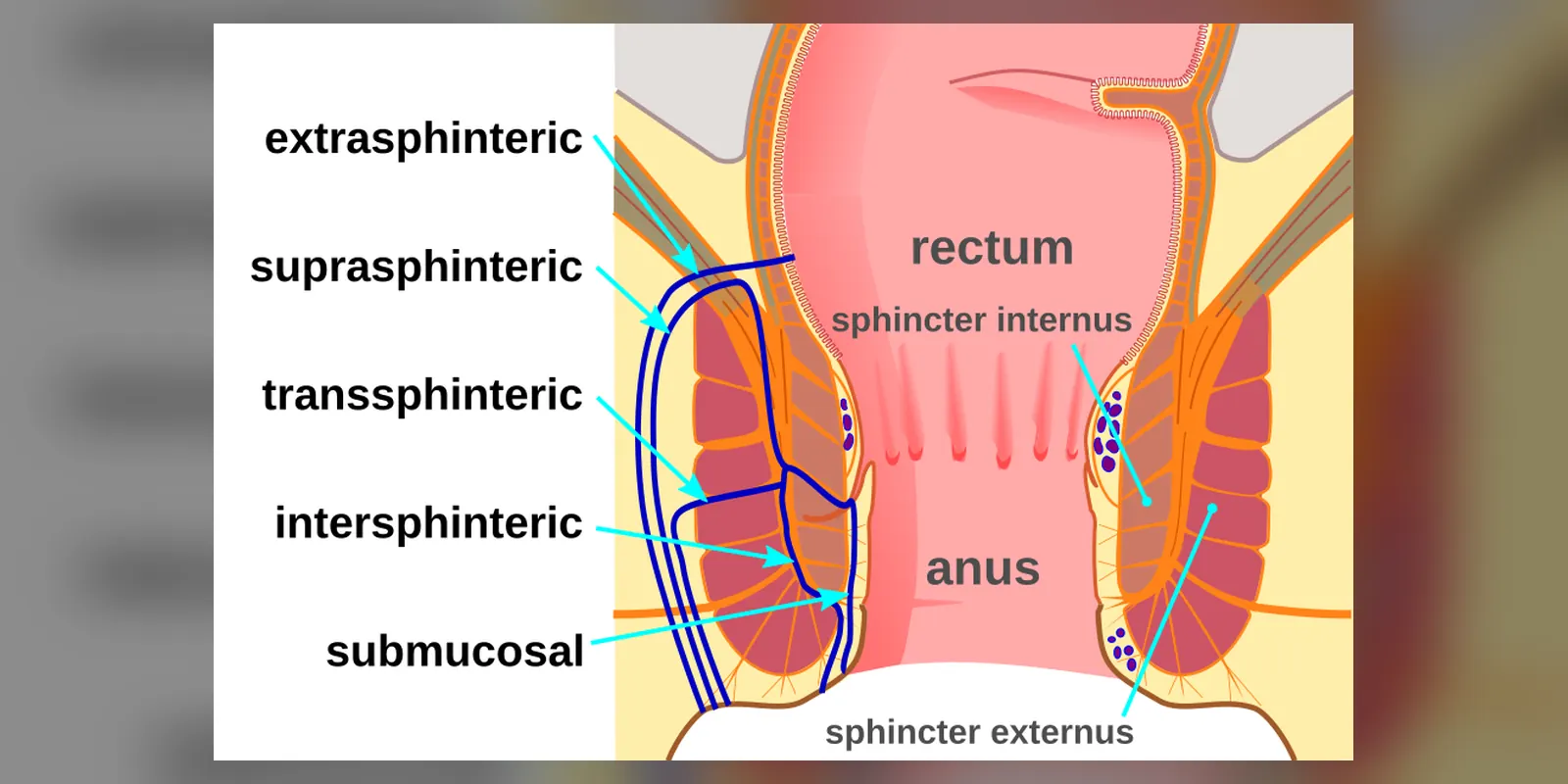
A small tunnel between the inside of the anus and the skin near it, usually after an anal abscess.
 Immune system
Non-infectious · Acute
A severe, life-threatening allergic reaction that develops rapidly and needs immediate treatment with adrenaline.
 Cardiovascular system
Non-infectious · Chronic
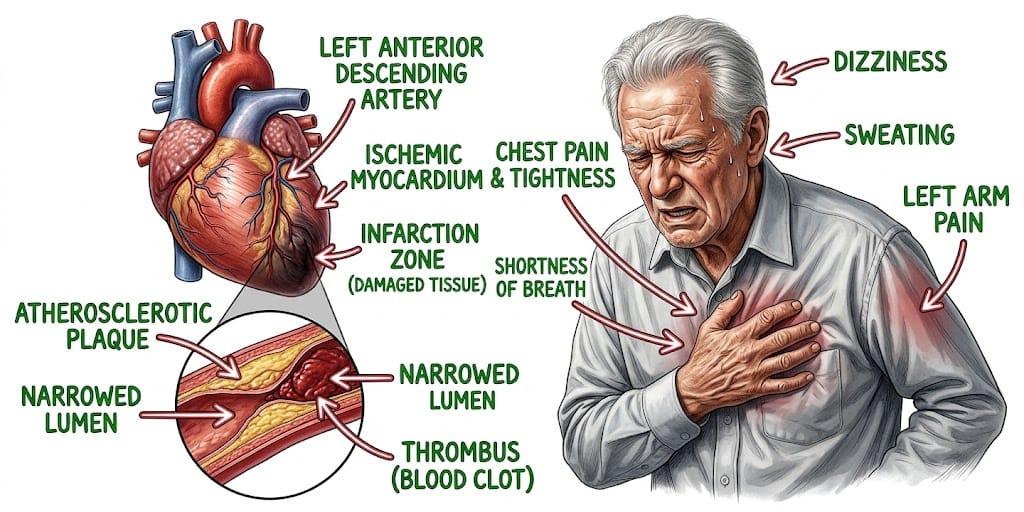
Chest pain or discomfort caused by reduced blood flow to the heart muscle, usually brought on by exertion and relieved by rest.
 Immune system
Non-infectious · Acute
Swelling deep under the skin, often around the eyes, lips, tongue or throat, caused by fluid leaking from small blood vessels.
 Nervous system
Non-infectious · Acute or chronic
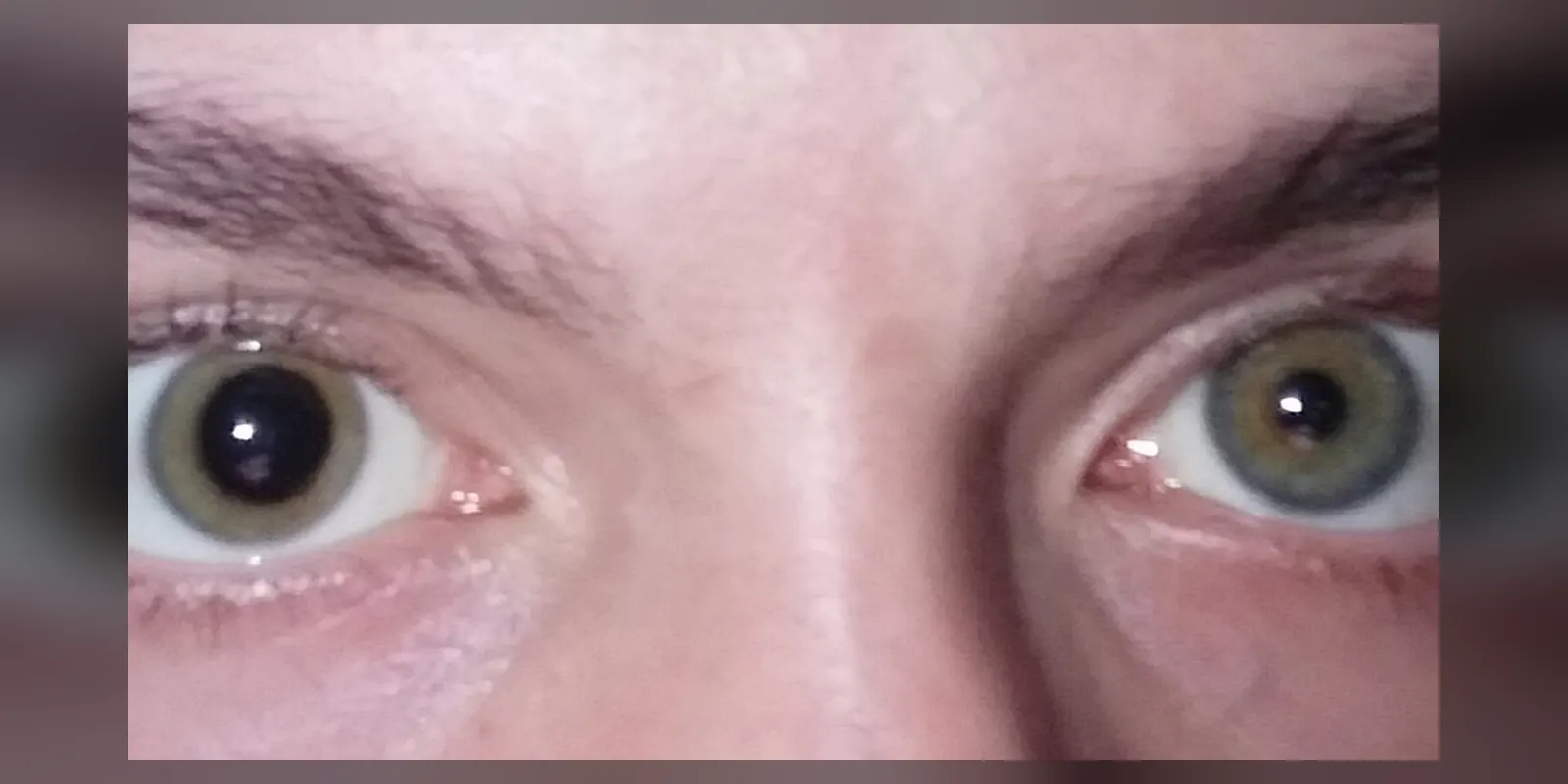
A difference in the size of the pupils, which can be harmless or a sign of a problem with the nerves that control the eye.
 Musculoskeletal system
Non-infectious · Acute
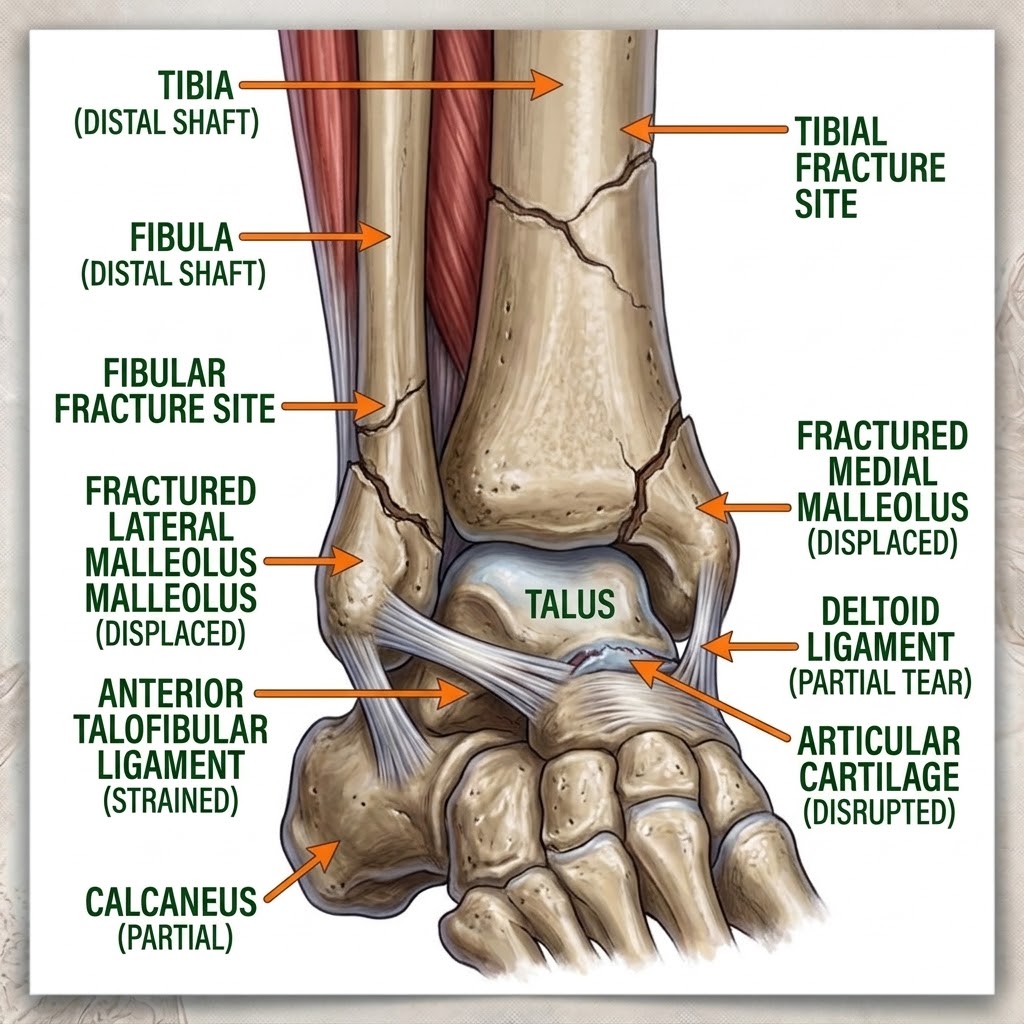
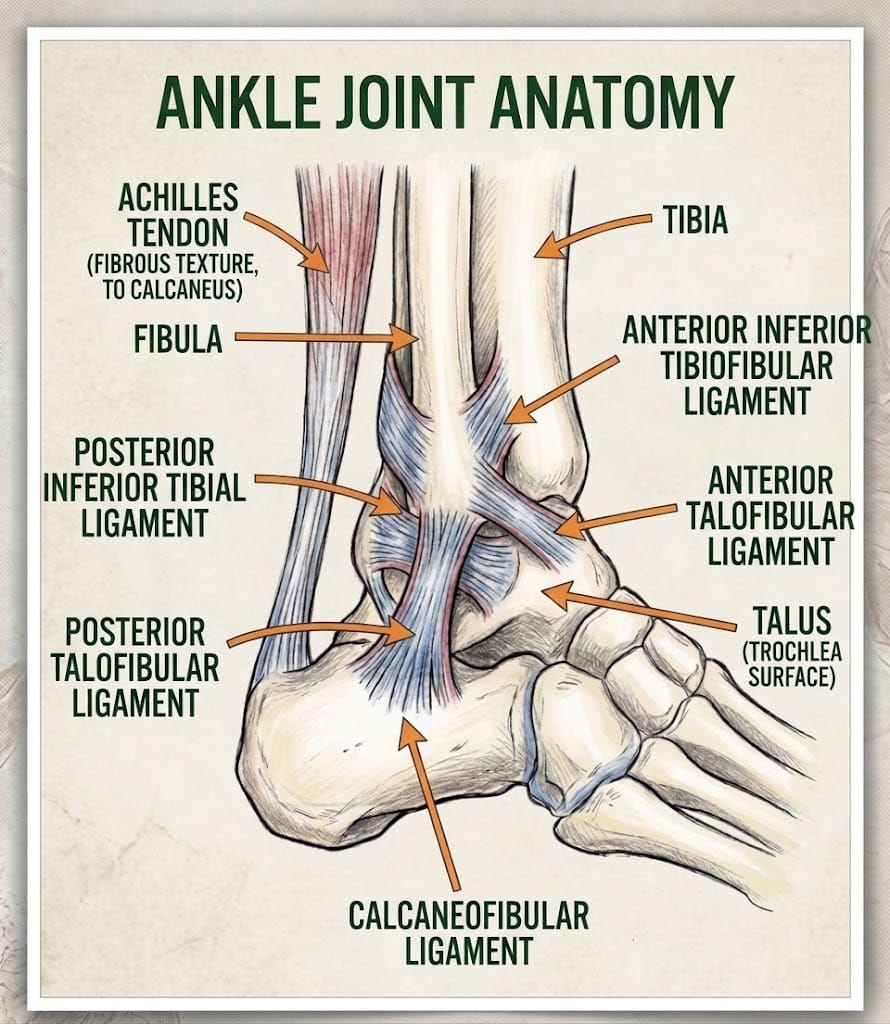
A break in one or more of the bones that form the ankle joint, usually caused by twisting, a fall or a direct blow.
 Musculoskeletal system
Non-infectious · Acute
A stretch or tear of the ligaments that support the ankle, usually from rolling or twisting the foot.
 Musculoskeletal system
Non-infectious · Chronic
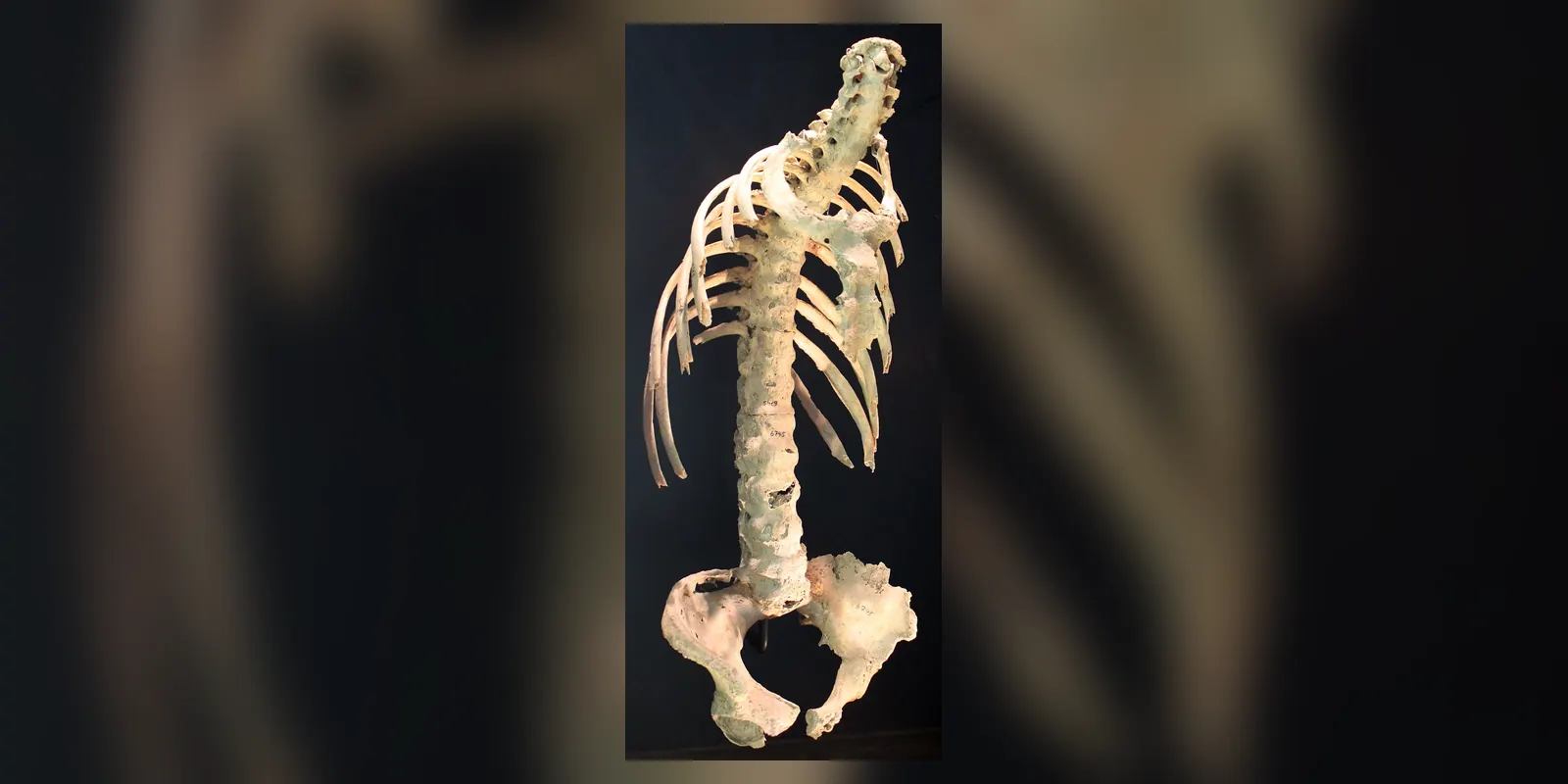
A long-term inflammatory arthritis that mainly affects the spine and pelvis, causing back pain and stiffness that improve with movement.
 Mental health
Non-infectious · Chronic
A serious eating disorder in which a person restricts food intake because of an intense fear of gaining weight, leading to dangerously low body weight.
 Musculoskeletal system
Non-infectious · Acute
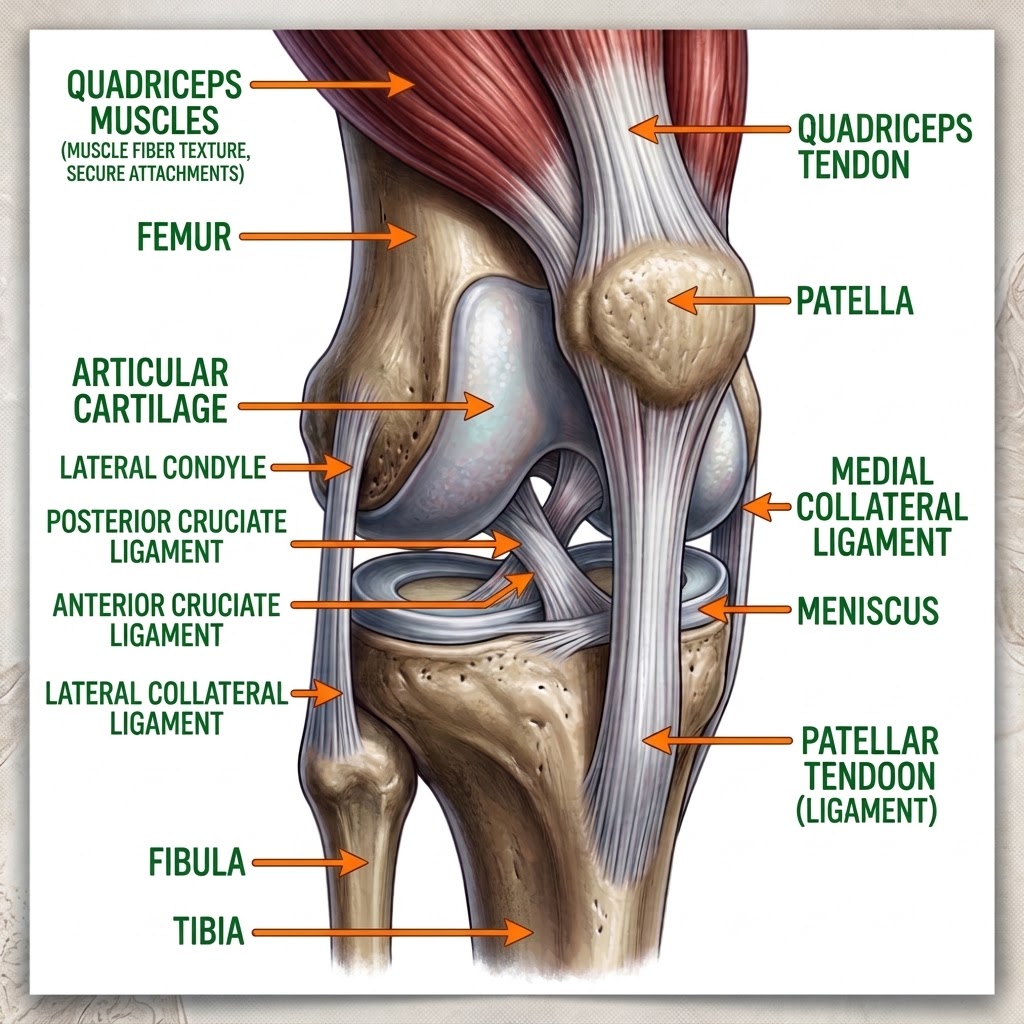
A tear of one of the main ligaments inside the knee, usually from a sudden twist, pivot or landing during sport.
 Blood (haematology)
Non-infectious · Chronic
An autoimmune condition in which antibodies make the blood more likely to clot, causing thrombosis and pregnancy complications.
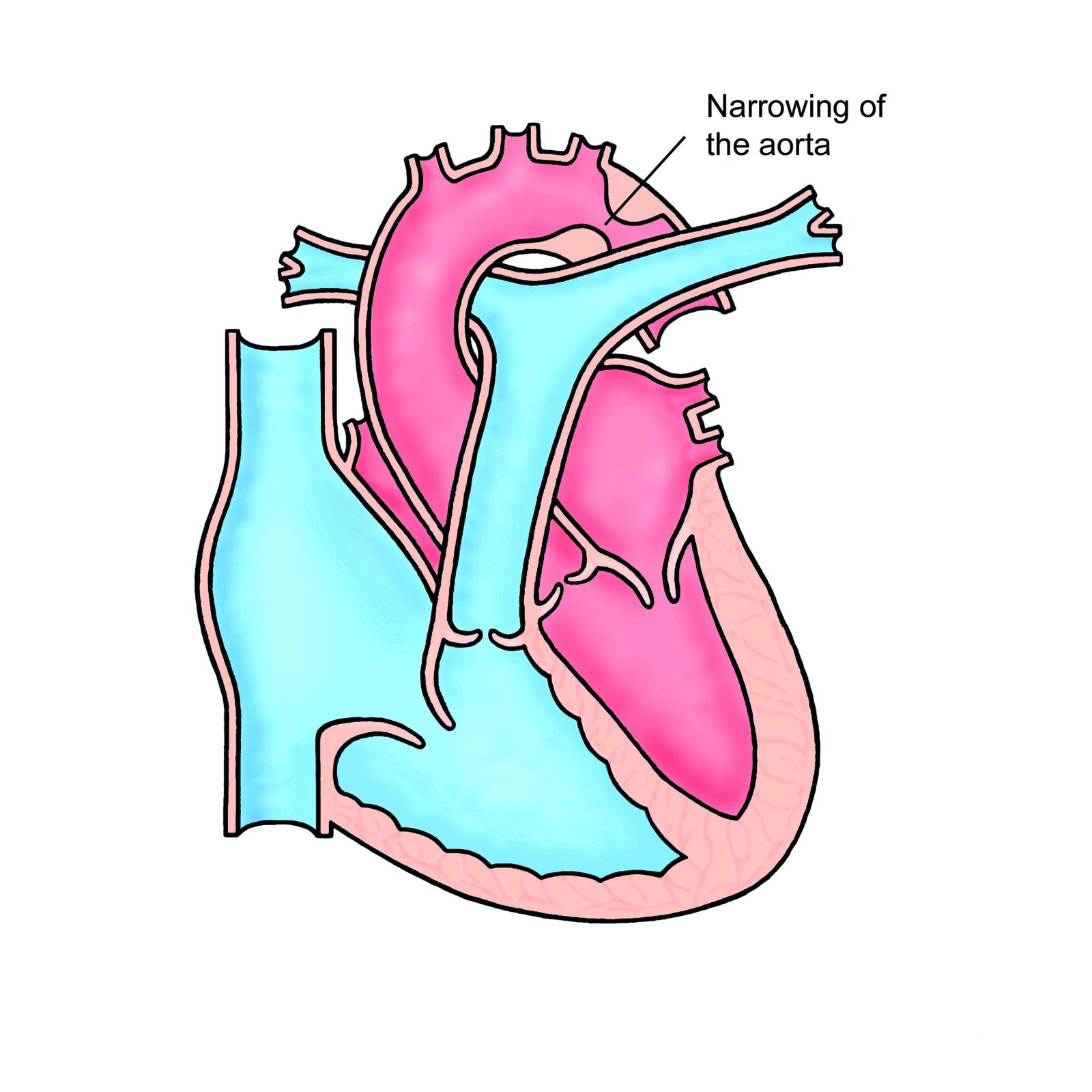 Cardiovascular system
Non-infectious · Chronic
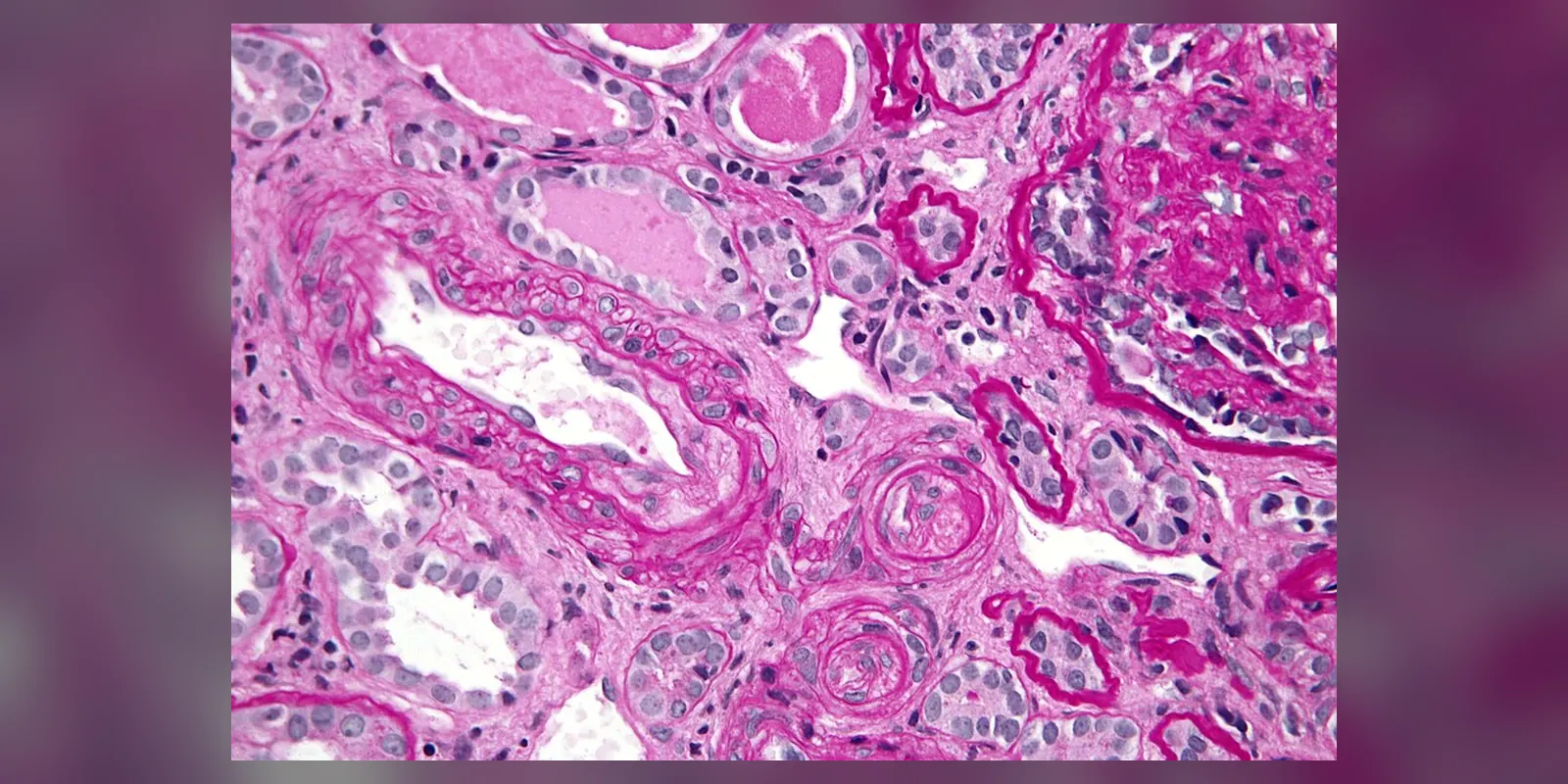
A narrowing of the aorta, present from birth, that may only be found in adulthood, often because of high blood pressure in the arms.
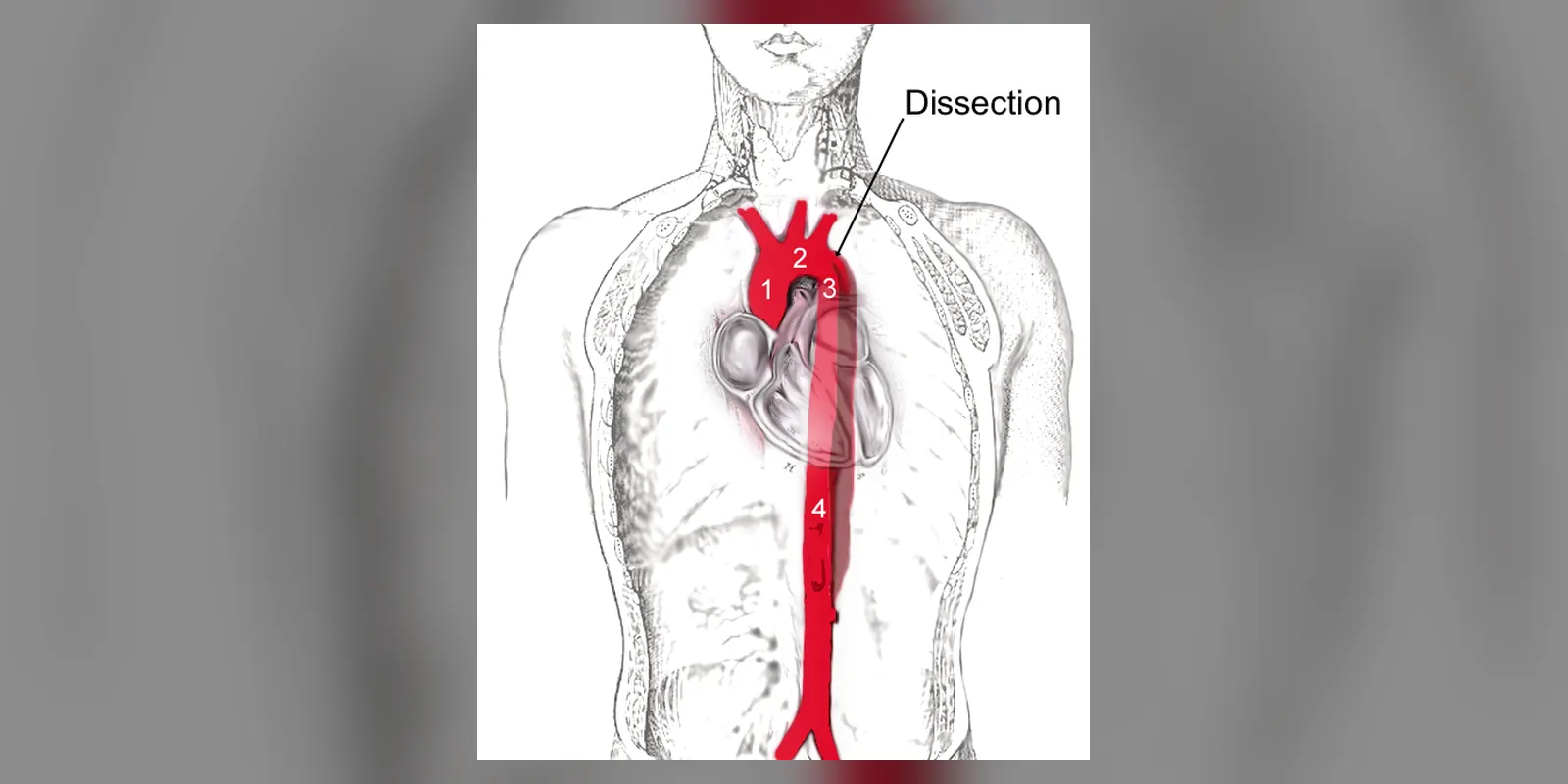 Cardiovascular system
Non-infectious · Acute
A tear in the inner layer of the aorta that allows blood to split the layers of the artery wall, a life-threatening emergency.
